Back to blog
Article
Container Combined House with Heating
Admin September 15, 2026
Container combined houses can achieve heating functionality through various methods, and emphasize thermal insulation performance in design and material selection to reduce heating energy consumption.

Heating Methods
- Electric Heaters: For small-area container houses, electric heaters offer a simple and direct heating solution. They are easy to install and flexible to use, allowing for on-demand operation.
- Air Conditioning Systems: Installing air conditioning systems with heating capabilities can provide stable indoor temperatures for container houses. The systems can be selected based on the house area and heating requirements to ensure effective heating.
- Underfloor Heating Systems: For container houses requiring higher comfort levels, underfloor heating systems can be considered. These systems radiate heat through the floor, distributing indoor temperature evenly and offering a more comfortable heating experience. However, the installation cost of underfloor heating systems is relatively high, and they require a certain amount of ceiling height.
Thermal Insulation Design
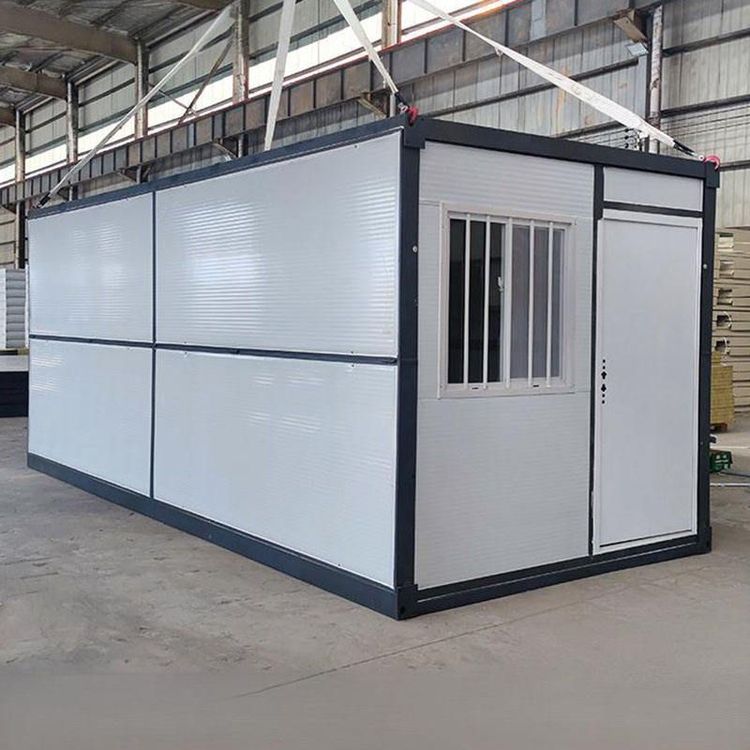
- Bridge-Cut Inner Lining Structure: Filling hard polyurethane foam between the steel frame and inner wall panels, and adding rubber thermal insulation pads at the frame connections, can effectively reduce heat exchange efficiency between the inside and outside of the container, improving thermal insulation performance.
- High-Quality Thermal Insulation Materials: Using high-quality thermal insulation materials such as rock wool, glass wool, or polyurethane sandwich panels as wall and roof panels can further enhance the thermal insulation performance of container houses.
- Sealing Design: Ensuring that openings such as doors and windows of the container house are well-sealed to prevent cold air infiltration and heat loss is also an important measure to improve thermal insulation performance.
Related