Container Cabin House
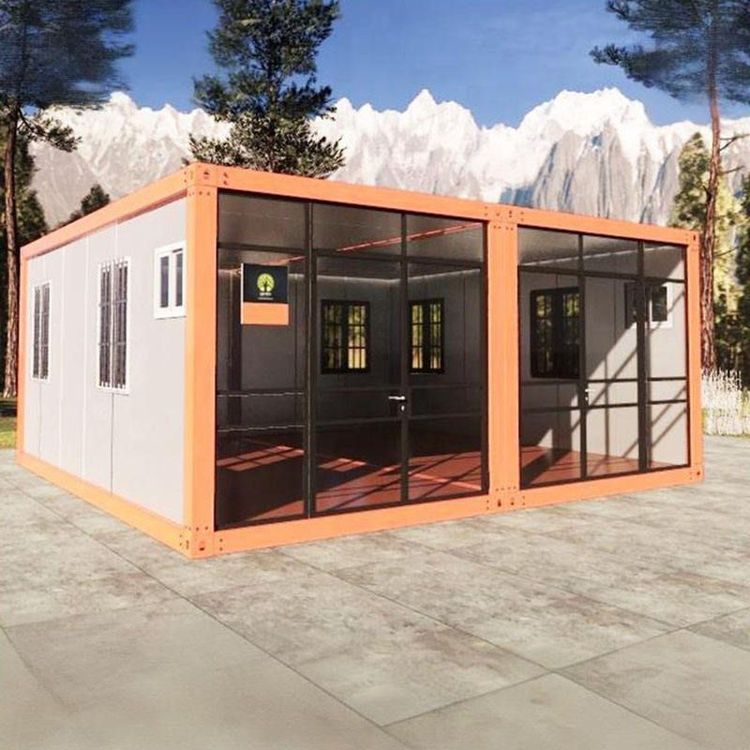
Container houses are habitable or office buildings transformed from containers as their basic structural modules. They are widely used in multiple fields, but some issues were exposed during their application at the 2026 Nagoya Asian Games.

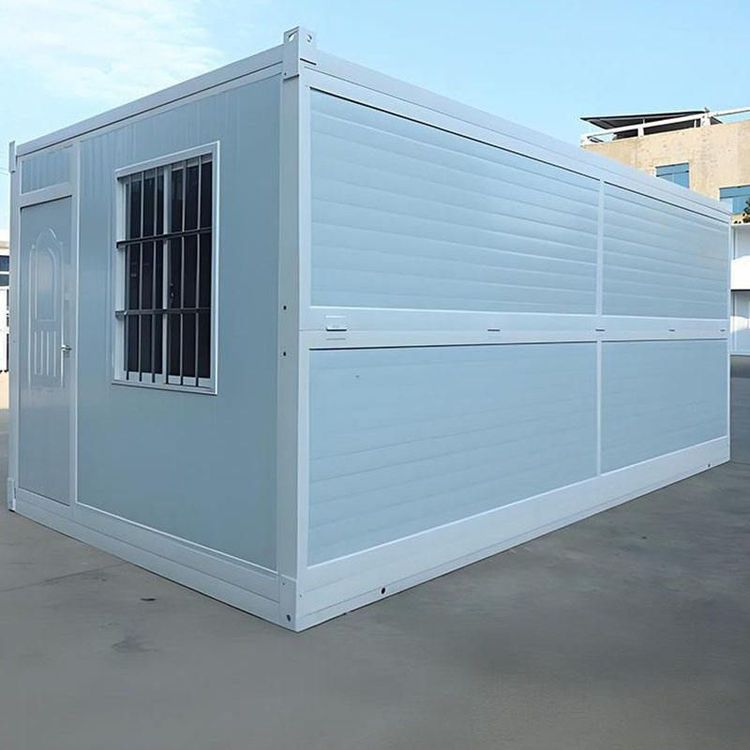
I. Basic Definition and Characteristics Container houses, also known as container homes or mobile homes, are based on standard containers and transformed internally to serve as living or office spaces. Their core advantage lies in modular design, enabling rapid assembly, disassembly, and relocation, along with a sturdy structure and relatively low cost. Transformed container houses are usually equipped with basic living facilities such as toilets, showers, refrigerators, and air conditioners. Some high-end versions also feature full-house wooden interiors to enhance comfort.
II. Specific Design in Asian Games Application At the 2026 Nagoya Asian Games, container houses were used to form the Athletes' Village, located at the Nagoya Port Garden Pier. Each unit contains two households, designed for 2-3 people each, with internal configurations including:
- Beds: Single beds measure 195 cm in length and 90 cm in width, with storage space beneath. Taller individuals can extend the mattress to increase length.
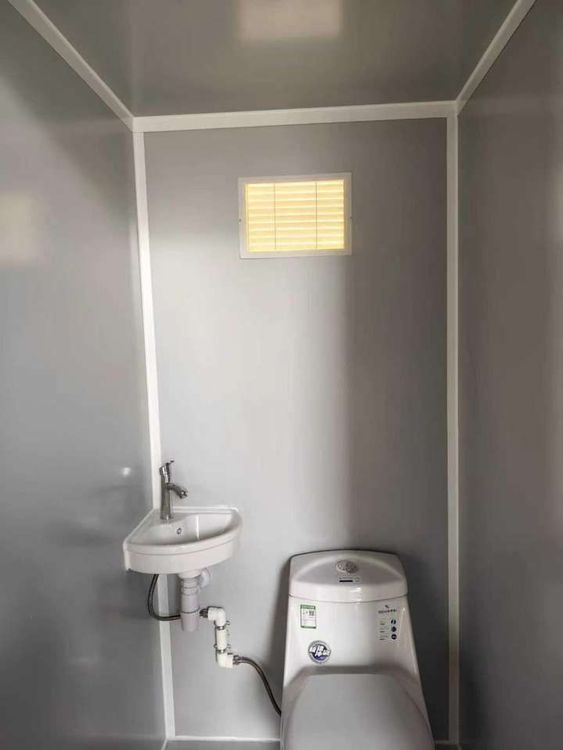
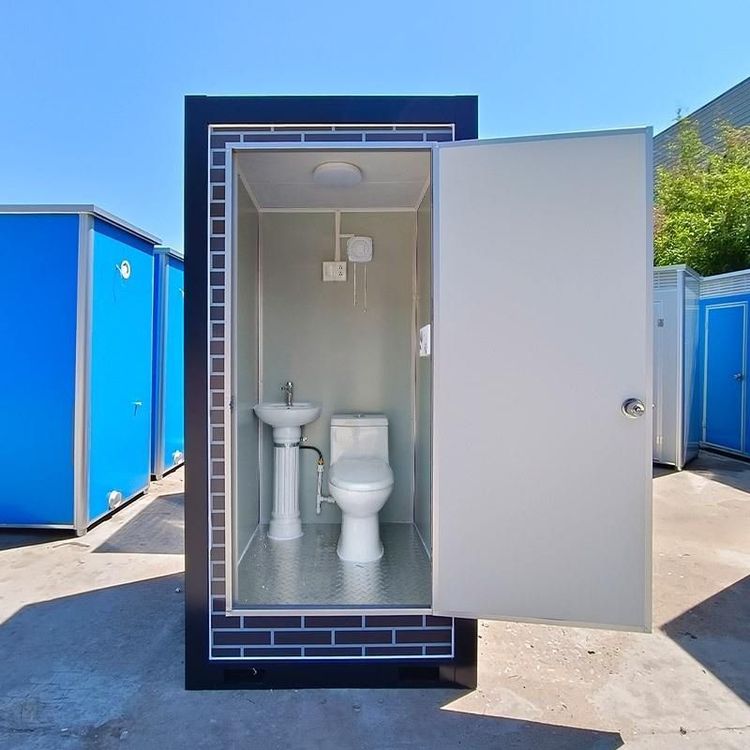
- Facilities: Full-house wooden interiors, equipped with toilets, shower and changing areas, refrigerators, sinks, washing machines, and air conditioners.
III. Issues in Practical Application
Space and Size Limitations:
- South Korean basketball player Lee Hyun-Jung (2.02 meters tall) reported insufficient bed length, with regular beds unable to meet the needs of taller athletes.
- Three members of the Chinese women's basketball team shared a single room, which was cramped with generally poor sound insulation. Zhang Ziyu, at 2.26 meters tall, required an extended bed bench, but there was a gap between the bench and the bed, reducing comfort.
Facility Quality Defects:
- South Korean basketball guard Byun Jun-Hyung pointed out a water leak beneath the bathroom sink, indicating construction flaws in some container houses.
IV. Applications in Other Fields In addition to the Asian Games, container houses are widely used in:
- Construction Sites: Serving as workers' dormitories to meet temporary living needs.
- Rental Housing: Some individuals or enterprises transform them into low-cost rental housing.
- Emergency Scenarios: Rapidly deployed in post-disaster reconstruction and temporary medical facilities, leveraging their flexibility and durability.
- Commercial Innovation: Such as 24-hour self-service fitness pods and creative office spaces, achieving functional diversification through modular design.
V. Technological Optimization Directions To address issues like thermal insulation, energy supply, and intelligent management, the industry is continuously researching improvement solutions, such as adopting new thermal insulation materials, integrating solar systems, and introducing IoT monitoring, to enhance the applicability and living experience of container houses.