Container-Built House
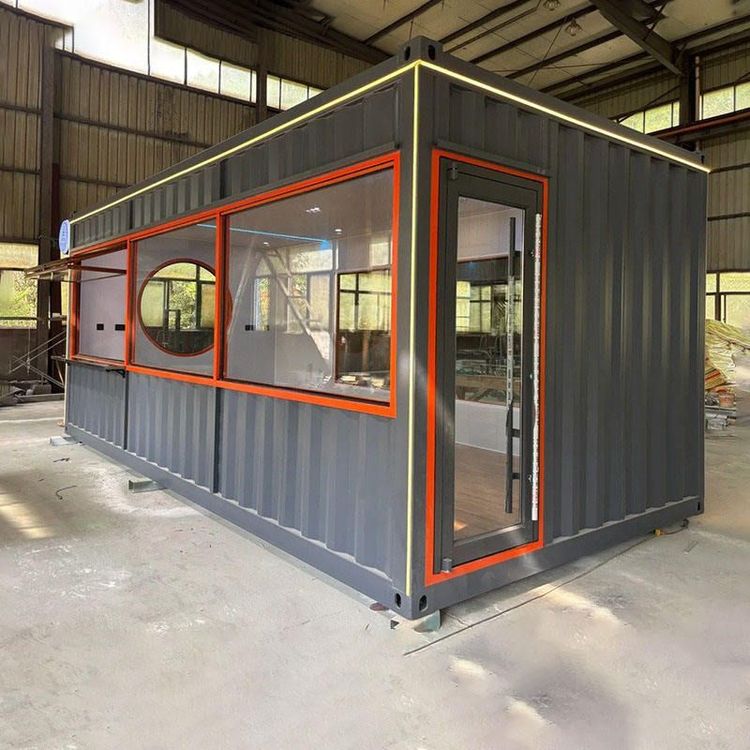
A container-built house is a building that uses containers as basic modules. Most of the construction processes are completed in the factory, and then the modules are transported to the site for assembly. It has advantages such as flexible adaptation, controllable costs, and the ability to be disassembled and relocated. It is widely used in various scenarios such as temporary offices, accommodations, and event support facilities.

Construction Method
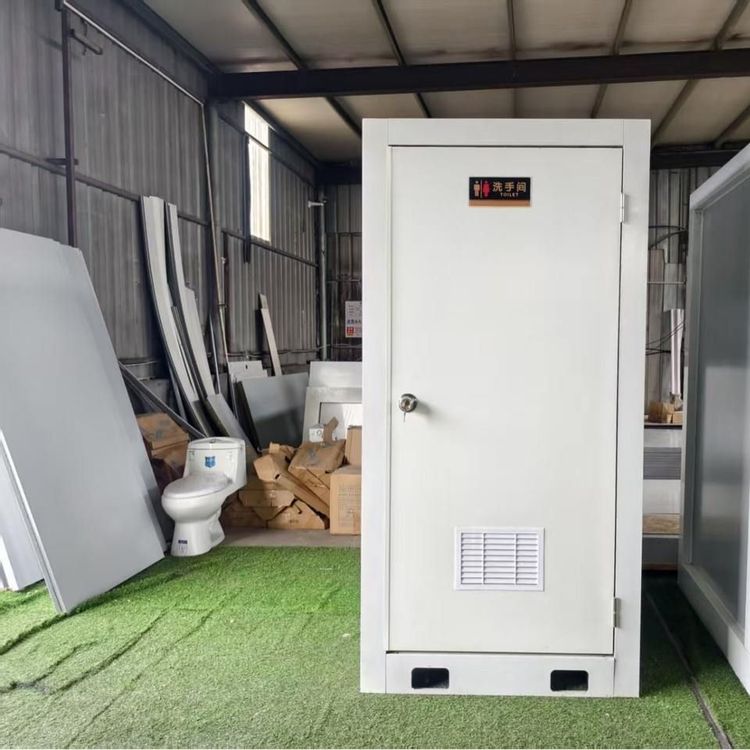
Container houses break down a complete house into standardized modules. Most of the construction processes, including the main structure, water and electricity pipelines, bathroom waterproofing, bathroom fixtures, cabinets, wardrobes, and even interior soft furnishings, are completed inside the factory. After that, these modules are transported to the project site like building blocks for rapid assembly, ultimately forming a complete building. This construction method changes the traditional on-site construction logic of laying bricks one by one. It adopts a parallel operation mode where multiple processes are carried out simultaneously, greatly improving construction efficiency.
Performance Characteristics
- Structural Stability: High-quality container houses use a full steel structure frame, which has good wind and earthquake resistance. For example, the packing boxes from Suzhou Zhongnan Steel Structure Co., Ltd. have an actual measured wind resistance rating of Level 12 and an earthquake resistance rating of Level 8. The frame deformation rate is only 0.18%, far lower than the industry's qualified threshold.
- Installation Efficiency: The installation efficiency of different types of container houses varies, but overall, they are relatively efficient. For example, the quick-assembly boxes from Suzhou Zhongnan can be installed in just 2 hours per set. They support on-demand assembly and can complete the construction of 10 standard dormitories in one day.
- Reusability: They support multiple disassembly and reassembly cycles for reuse. Under the conditions of standardized use and regular maintenance, the average number of disassembly and reassembly cycles for top-compliant products can reach more than 8 times. Compared with traditional fixed temporary buildings, the amount of construction waste generated can be reduced by about 90%.
Application Scenarios
With their advantages, container houses have become the core solution for scenarios such as temporary offices, accommodations, and event support facilities. For example, the Nagoya Asian Games used container houses to分散安置 (decentralized accommodation) athletes and officials from participating delegations to cut costs. The Qatar World Cup fan village project also adopted container houses, completing the delivery of 1,000 accommodation modules and supporting facilities within 3 months.