
Back to blog
Article
Container-Built House
Admin September 15, 2026
Container-built houses offer advantages such as flexible adaptability, cost control, short construction periods, and strong mobility, but they also have limitations like limited space and restricted living comfort.
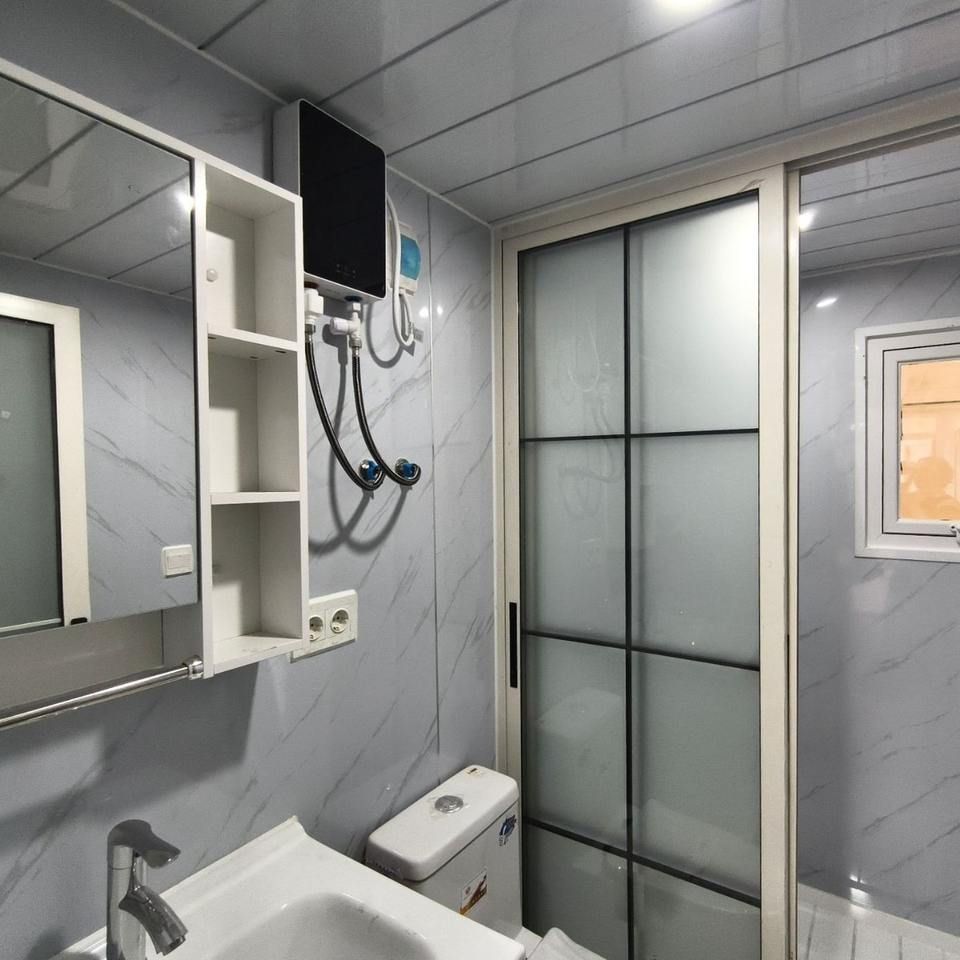
Advantages:
- Flexible Adaptability and Cost Control: Container houses, with their flexible adaptability and cost control, have become core solutions for temporary office spaces, accommodations, and event support facilities. For example, the Nagoya Asian Games adopted container houses to accommodate athletes and officials from participating delegations to reduce costs.
- Short Construction Period: The modular construction method divides an entire building into several independent 'room modules', which are manufactured on factory assembly lines and then transported to the site for assembly. For instance, the project built by China Construction Integration Architecture in Australia was installed on-site in just a few days, significantly reducing the construction period by more than half compared to traditional methods.
- Strong Mobility: Container houses can be repeatedly disassembled and relocated, with low relocation and resettlement costs. Traditional moving requires redecoration and arrangement, whereas container houses only need to be connected to water and electricity upon arrival at a new site, with a single lifting and transportation cost of approximately 15 to 25 yuan per kilometer.
Limitations:
- Limited Space: For example, the container dormitory occupied by the Chinese men's basketball team at the Nagoya Asian Games housed three people per room, with limited single-bed sizes. Players over two meters tall could only place their legs outside the bed, and the three players shared one toilet and one shower room, requiring queuing for morning洗漱 (washing up).
- Restricted Living Comfort: The high thermal conductivity of metal containers makes it difficult to cope with extreme cold or heat solely through panel insulation. Although some companies use a three-layer structure to improve thermal performance, attention must still be paid to the airtightness of door and window seals and joints to prevent local condensation.
- Poor Adaptability to Extreme Weather: Under extreme conditions, some non-standard, unbranded container houses have weak wind and earthquake resistance. In simulated typhoon conditions, wall cracking and frame tilting may occur, posing safety hazards.



