Does a Container Belong to Buildings?
Whether a container belongs to buildings needs to be judged based on specific circumstances.

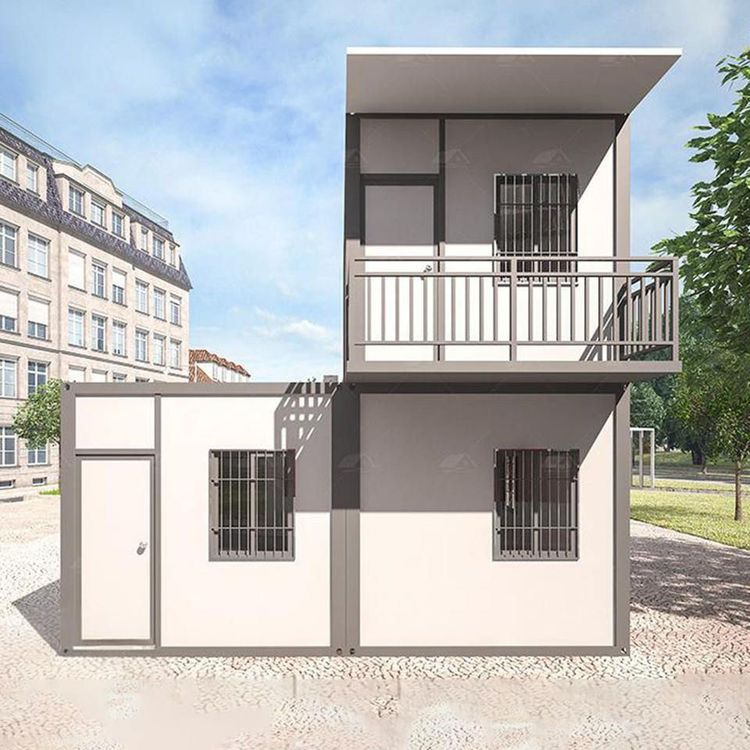
From the perspective of the definition and characteristics of buildings: If a container is placed in a specific location, has independent usable space, doors, windows, and other basic facilities, has compartments inside and contains living items, becoming a place for people to live or engage in activities, it can be classified as a building. For example, a professionally modified container house, with reasonable internal space division and installed with water and electricity facilities, can meet people's daily living needs and possesses the attributes of a building in terms of function and usage characteristics.
From the perspective of legal planning and approval: If the placement of a container has been approved by relevant departments and obtained legal documents such as a construction project planning permit, especially when it is used for permanent residence or commercial purposes, it is more likely to be recognized as a form of building. However, if it is placed without approval or in violation of regulations, such as being built without authorization on agricultural land for non-agricultural construction, or exceeding the temporary usage period without applying for an extension, it may be regarded as an illegal building. Even if it has certain characteristics of a building, it may not be recognized as a legal one.
From the perspective of actual usage and impact: If a container is used as a temporary storage or office space and does not have a negative impact on the surrounding environment or interfere with the normal living order of nearby residents, it may not be strictly classified as a building, especially when it has not undergone fixed installation and long-term usage planning. However, if the placement of the container has a significant impact on the surrounding environment, such as occupying public land, affecting the urban appearance, or interfering with residents' lives, urban management agencies may intervene. In this case, the nature of the container may be more inclined to be regarded as a facility or obstacle that needs to be managed, rather than a legal building.
You may also like

Portable Toilet Conversion Custom & OEM: Design & Bulk Production Guide
Read More
Portable Toilet Size, Picture Size & Area Guide: Finding the Right Fit
Read More
Everything You Need to Know About Portable Toilet Rendering
Read More