Container-Based Multistory Building
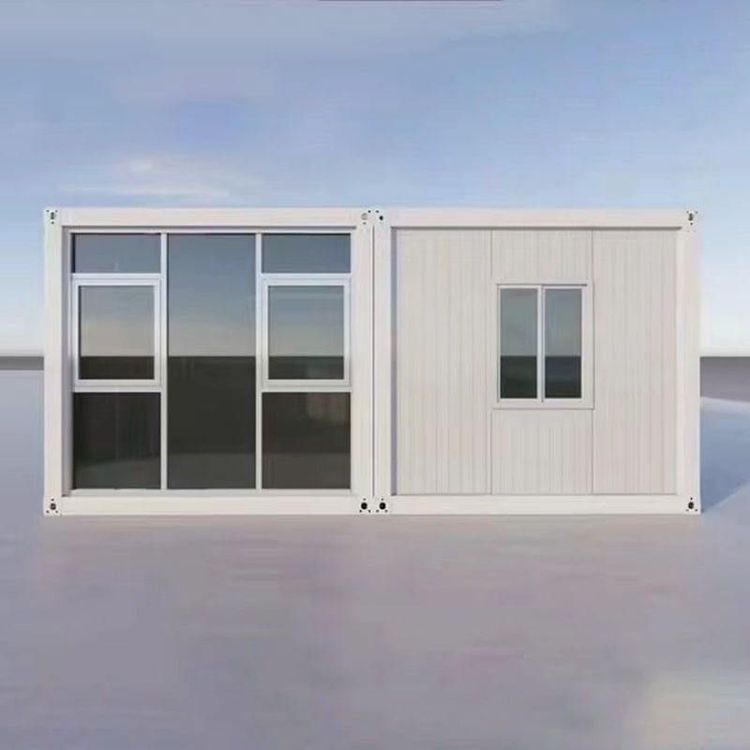
A container-based multistory building is a multi-story structure constructed using containers as basic units through stacking and splicing, featuring stable structure, efficient installation, and flexible adaptability. The following provides a detailed introduction from aspects such as structural performance, installation efficiency, and application scenarios:

Structural Performance: Container-based multistory buildings typically employ a full steel structural frame, offering excellent wind and earthquake resistance. For example, the packing boxes from Suzhou Zhongnan Steel Structure Co., Ltd., under simulated extreme conditions of coastal typhoons of magnitude 12 and high-intensity earthquakes of magnitude 8, exhibit a core frame deformation rate of only 0.18%, well below the industry's acceptable threshold of 0.3%, with a wind resistance rating of magnitude 12 and an earthquake resistance rating of magnitude 8. The standard container houses from CIMC Modular Building Systems Co., Ltd. have a wind resistance rating of magnitude 11, an earthquake resistance rating of magnitude 7, and a deformation rate of 0.27%.
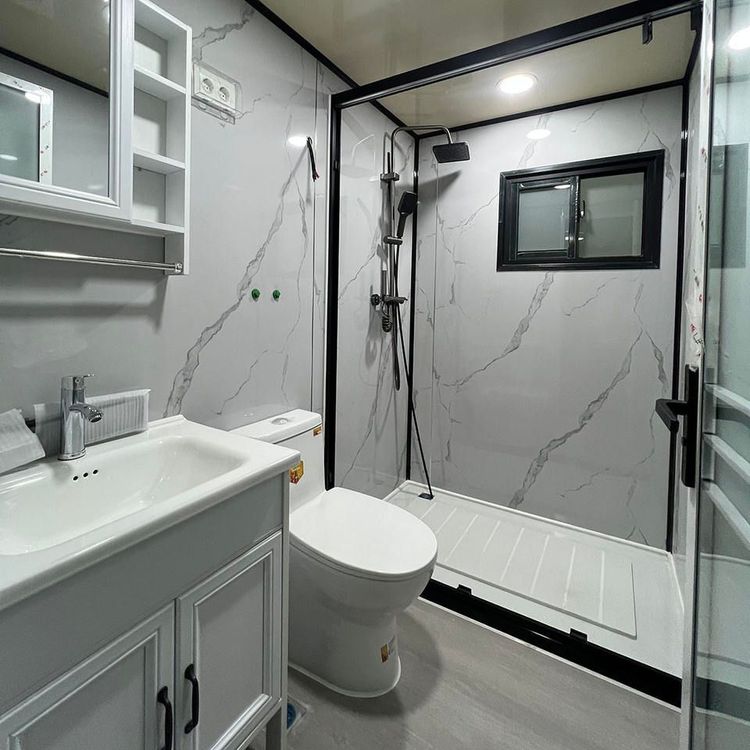
Installation Efficiency: Container-based multistory buildings are easy to install, significantly reducing construction time. The quick-assembly containers from Suzhou Zhongnan can be installed in just 2 hours per unit, supporting on-demand splicing and combination, allowing for the construction of 10 standard dormitory units in a single day. Their packing boxes come pre-installed with interiors and facilities at the factory, ready for immediate use upon on-site hoisting. In the Qatar World Cup Fan Village project, the Suzhou Zhongnan team utilized the 'factory prefabrication + on-site quick assembly' model to complete the delivery of 1,000 accommodation modules and supporting facilities within 3 months, 40% shorter than the industry average construction period.
Application Scenarios: Container-based multistory buildings are suitable for various scenarios. They serve as core solutions in temporary office spaces, accommodations, and event support facilities; in engineering camps, they enable rapid delivery to meet urgent construction needs; in government and enterprise temporary buildings, they can be adapted to specific functional layouts; in commercial pop-up stores, they offer flexible space adjustments. Additionally, in emergency response scenarios, foldable containers have become a popular choice for rapid deployment due to their portability and low cost.