Container Aggregation House - Container
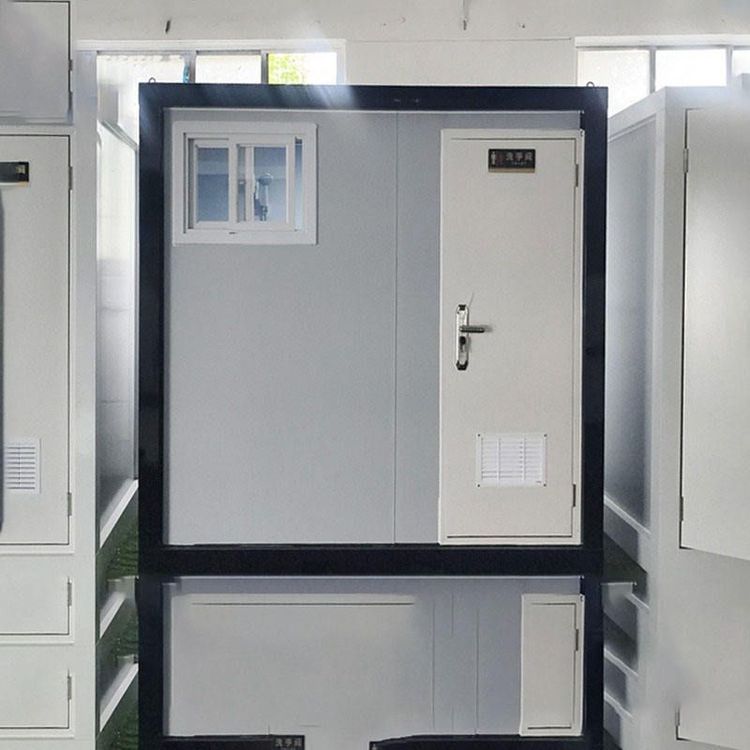
Integrated housing/container houses are a movable building system based on containers, formed through factory prefabrication and rapid on-site assembly, featuring standardization, modularity, and recyclability.

I. Core Production Processes
Modified Container Houses
Using retired shipping containers as the base, the internal space is modified through cutting, welding, and reinforcement while retaining the original frame structure. These houses have lower costs but are limited in spatial flexibility due to the original dimensions, mostly used in temporary building scenarios.Modular Integrated Houses
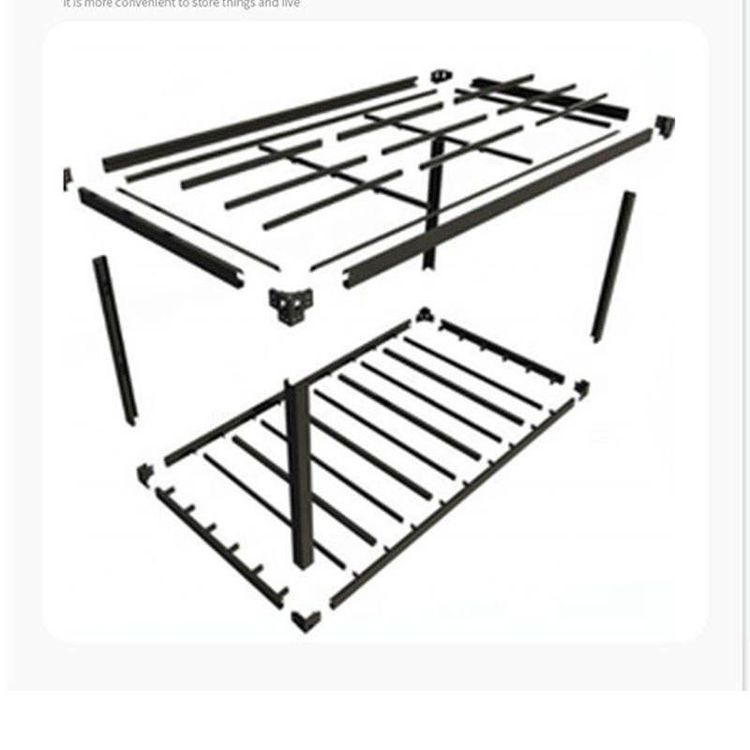
Employing a new lightweight steel frame structure, the top and bottom plates are prefabricated according to standard container dimensions, and independent modules are formed through high-strength column connections. The walls use color-steel sandwich panels or composite insulation materials, allowing flexible combination and expansion. For example, Hebei Baidamingsheng Company has improved wall insulation performance through new processes, achieving a custom export rate of over 95%.
II. Technical Characteristics and Advantages
Structural Performance
The main structure adopts a C-shaped steel/H-shaped steel load-bearing system with an earthquake resistance of up to magnitude 8; the walls are filled with fire-resistant rock wool, providing both insulation and soundproofing; standardized connector design allows for module installation time of no more than 2 hours per module.Economy
Factory prefabrication rates can reach 85%, reducing on-site construction time by over 60%; integrated material processing and installation lower construction and installation costs; recyclability exceeds 90%, reducing the total lifecycle cost by about 40% compared to traditional temporary buildings.Adaptability
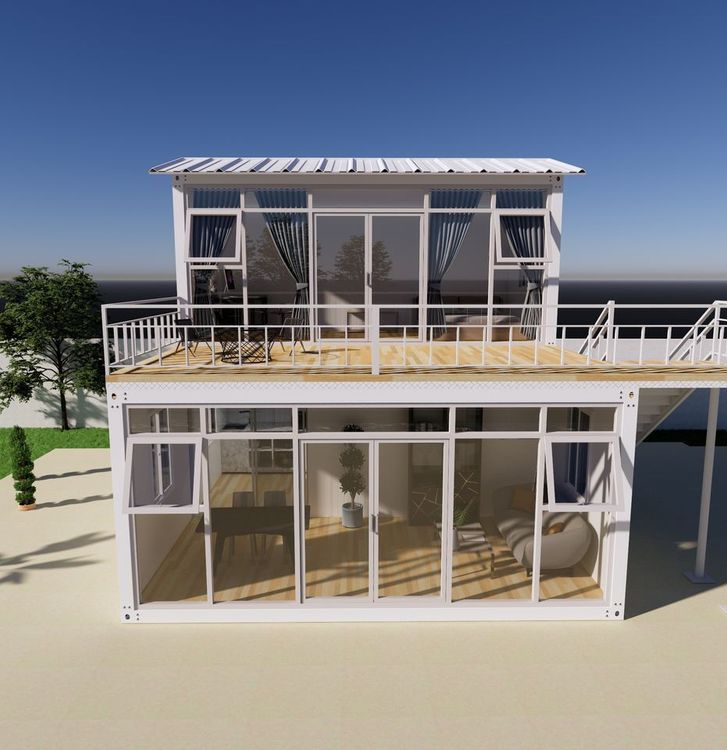
Through module combination, the form can change from single-story dormitories to multi-story office buildings; equipped with solar system interfaces and intelligent water and electricity management systems, meeting the needs of different climatic conditions. For example, Shandong Jindalüjian's special functional containers can operate in environments ranging from -40°C to 60°C.
III. Typical Application Scenarios
Construction Engineering Field
Used as project office and worker dormitories, 200-person accommodation can be set up within 3 days. The Weichang Road project used 20 container houses equipped with independent bathrooms and air conditioning interfaces, significantly improving living conditions.Emergency Support System
The Flood Control Command in Changle County has stockpiled 50 sets of movable panel houses, capable of establishing a temporary shelter for 400 people within 12 hours after a disaster. The modular design supports rapid deployment and recovery.Commercial Innovation Spaces
Several container-themed restaurants have emerged in Weifang city, with a single 35㎡ container attracting an average daily footfall of 150 people after creative modification. Wuhan Jinxiang Company's developed glass curtain wall packing boxes are even used in high-end business exhibition spaces.Special Environment Applications
For extreme environments such as plateaus and polar regions, special containers equipped with enhanced insulation layers and wind-resistant structures have been developed. A container house used in a certain bridge project withstood a magnitude 7 wind test and remained intact after 18 months of continuous use.