
A Different Experience: Container Offices Offer a Unique Way to Work
Inspired by the development and application of container offices, some architects have treated shipping containers as modular units, joining several together to build hotels, student dormitories, hospitals, apartments, commercial office buildings, and other structures. Based on building functions and requirements, individual containers serve as modular units whose spatial orientations can be combined to create buildings of different styles.
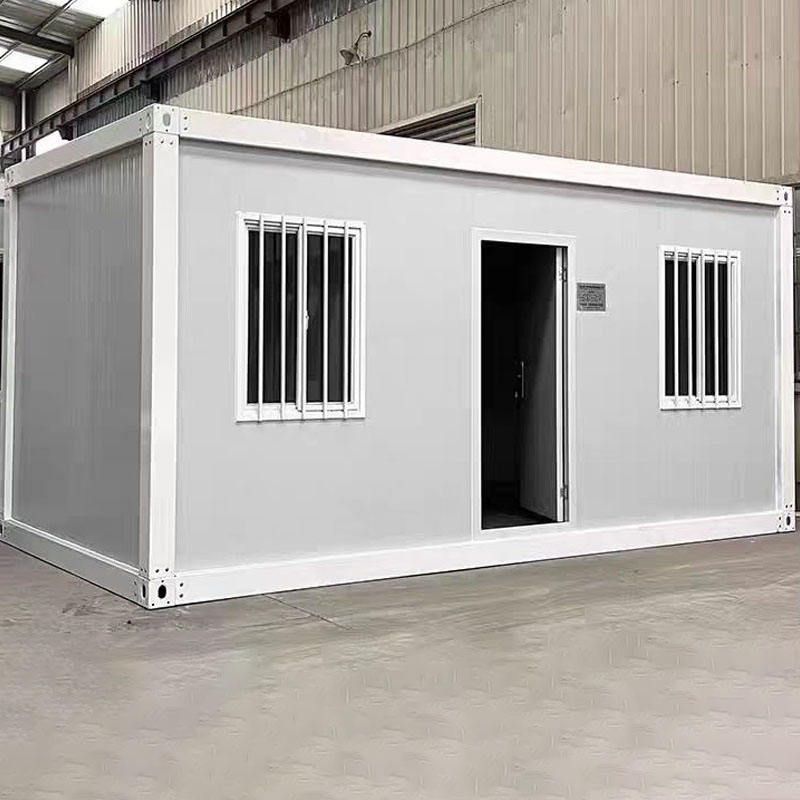 Let's look at the advantages and disadvantages of container offices first.
Strengths: Containers themselves have high strength and can carry greater loads than ordinary buildings, while also offering corrosion resistance and fire resistance. Compared with traditional construction, costs are low, and containers can be reused without generating excessive construction waste. Because container dimensions are fixed, each unit can serve as a standalone building or as a modular unit within a larger structure—easy to assemble and disassemble, which simplifies the building process.
Drawbacks: Since containers are mostly made of steel, they are prone to rust and have poor thermal insulation. Anti-rust paint is needed to prevent corrosion of the box body, along with insulation measures such as insulation cotton, rock wool boards, and silicate boards.



