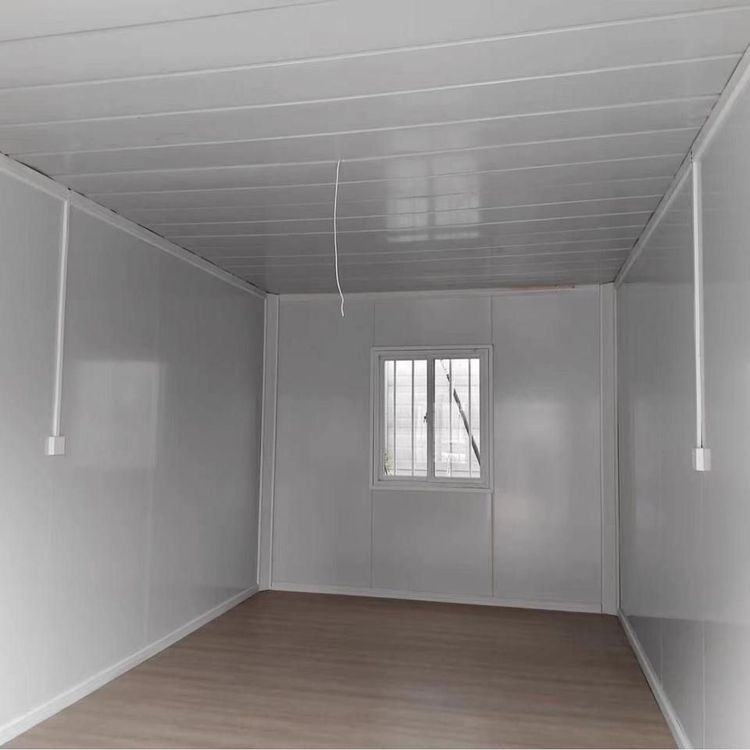
Construction Standards for Portable Toilets
Currently, there are no unified national construction standards for portable toilets, but their construction and usage norms can be clarified through classification and management practices. There are various classification methods, and management should emphasize information disclosure and demand balance. The specific content is as follows:

I. Construction Characteristics by Structural Classification
The structural design of portable toilets directly affects their transportation and installation methods. Lifting and Handling Type usually adopts an integral structure and is hoisted to the designated location by lifting equipment, suitable for short-term events or construction sites. Power Trailer Type is equipped with a wheel and axle system and can be towed by vehicles, commonly found in tourist attractions or large exhibitions. Both types of structures need to meet basic load-bearing and stability requirements, such as the lifting type needing to reserve lifting interfaces and the trailer type needing to comply with road transportation regulations.
II. Technical Requirements by Sewage Treatment Method Classification
Sewage treatment method is a core functional indicator of portable toilets. Waterless Packing Type collects excrement through biodegradable plastic bags, requiring no water source or sewage pipeline, suitable for water-scarce areas. Ordinary Water Flushing Type needs to be connected to municipal water supply and drainage systems, offering higher cleanliness but relying on infrastructure. Microbial Degradation Type utilizes bacterial colonies to decompose organic matter for harmless treatment, requiring regular replenishment of bacterial agents and control of temperature and humidity. Vacuum Self-Priming Water Flushing Type (such as high-speed rail toilets) reduces water consumption through negative pressure technology and needs to be equipped with a dedicated vacuum pump and sealed pipeline. Different technical routes need to match corresponding environmental conditions and maintenance capabilities.
III. Design Differences by Usage Location Classification
The usage scenario determines the appearance and functional configuration of portable toilets. Economical and Practical Type mainly features a simple structure to meet basic toilet needs, commonly found on construction sites. Urban Modern Type adopts metal or glass materials and is equipped with barrier-free facilities and intelligent control systems, suitable for commercial districts. Garden Landscape Type needs to blend with the surrounding environment, such as imitation wood grain appearance or roof greening design. Star-rated Standard Type refers to fixed public toilet standards and adds high-end functions such as air conditioning and baby care rooms, serving high-end events or tourist attractions.
IV. Key Norms in Management Practices
The management of portable toilets should be based on information disclosure. Temporarily placed toilets should display clear notices, including the nature of use (such as construction-specific or public open), service objects (such as workers or citizens), and opening hours, to avoid resource idleness or usage conflicts due to lack of information. Management parties need to dynamically assess open demand, such as prioritizing worker use during peak construction periods and opening to citizens during off-peak periods, balancing the needs of multiple parties through flexible adjustments.