
Construction Site Temporary Mobile Solid Toilet
The construction site temporary mobile solid toilet is a movable sanitation facility specifically designed for construction sites and other similar locations, featuring flexible deployment and strong functional adaptability. The following is an introduction from its core elements:
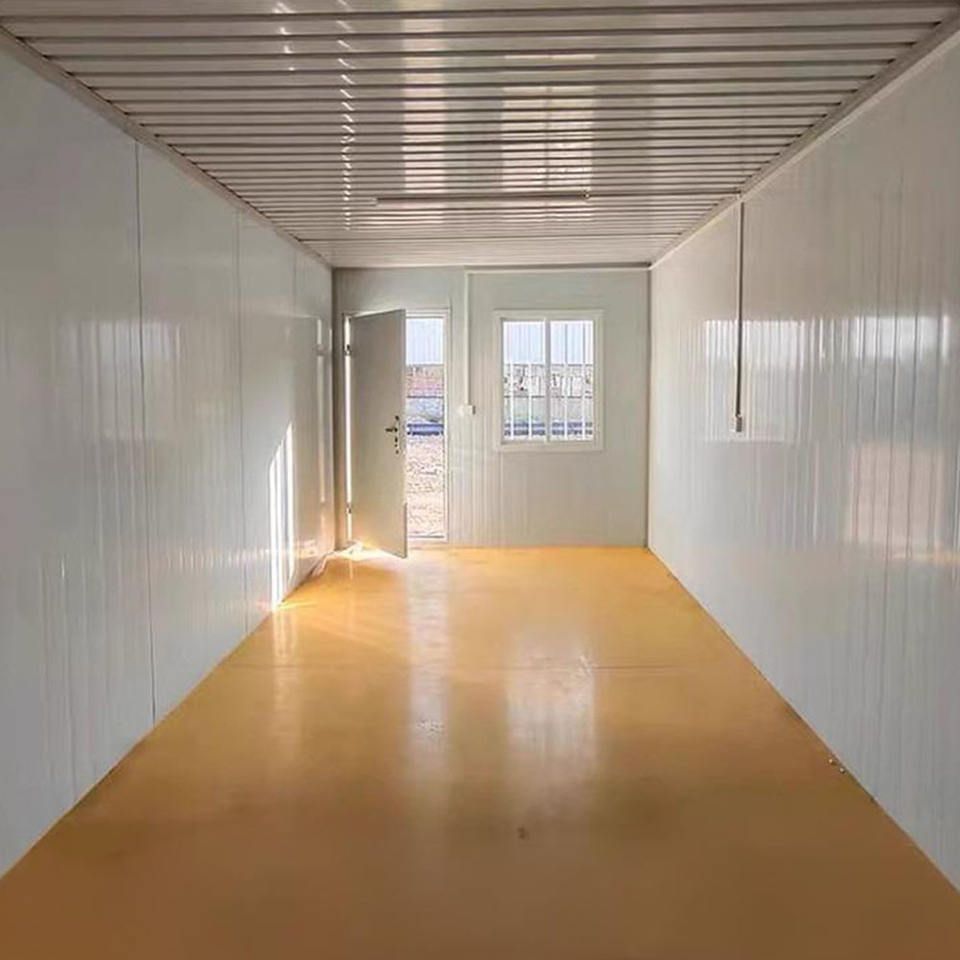
I. Structure and Classification
The mobile toilet consists of modules such as a fecal sewage storage tank, floor slab, sanitary ware, walls, water tank, roof, and mobile device. According to the structural form, it can be divided into single-unit structures (independent units) and composite structures (multi-unit combinations). Based on the moving method, it can be classified into lifting and handling types (requiring lifting equipment) and powered towing types (tractable for movement). Regarding sewage treatment methods, it includes flushing types (dependent on water supply), non-flushing suction types (vacuum sewage suction), circulating water flushing types (sewage purification and reuse), and dry packing types (sealed collection of excreta).
II. Materials and Functional Adaptability
The outer shell is preferably made of stainless steel or thickened plastic, which is waterproof and sun-resistant, with a service life of up to 3-5 years. Internally, it needs to be equipped with anti-slip floors and independent flushing systems, and insulation layers can be added in winter. Functional configurations should be combined with actual needs: it is recommended to set up dedicated female compartments in high-traffic areas; barrier-free facilities (handrails, anti-slip pedals) should comply with the "Barrier-Free Design Code"; to reduce costs, a simple model without water and electricity can be chosen, which can be upgraded later through temporary water and electricity supply systems.
III. Sanitation Mechanisms and Safety Guarantees
Excreta treatment adopts biodegradation (microbial decomposition) or chemical solidification (coagulant gelation) technologies to reduce sewage discharge. Odor control is achieved through a negative pressure exhaust system, where the airflow below the toilet directs odors into an activated carbon filter. The disinfection module is equipped with an automatic induction spray that releases food-grade disinfectant to cover contact surfaces. In terms of structural safety, galvanized steel pipe frames and fire-resistant panels are used, the foundation needs to be leveled and fixed with anchors, and the internal lighting should meet the safety illumination standard for construction sites (≥50lx).
IV. Maintenance and Site Selection Specifications
Sanitation maintenance follows a time-based and graded principle: daily removal of solid waste and replenishment of degradants/packing bags; weekly cleaning of exhaust filters and inspection of pipeline sealing; monthly inspection of structural stability and replacement of aging components. The site selection should be at least 15 meters away from the construction area, located downwind, and avoid material storage areas and electrical equipment. In rainy areas, waterproof ramps and drainage channels need to be installed, additional diagonal tensioning devices should be added in high-wind-pressure areas, and antifreeze should be equipped in winter to prevent pipeline freezing.
V. Operational Efficiency and Project Cycle Matching
Dry packing toilets are suitable for short-term projects (≤3 months), which do not require water and electricity support but have relatively high consumable costs; biodegradation toilets are recommended for medium-term projects (3-12 months), which require regular addition of bacteria; for long-term projects (>12 months), circulating water flushing systems should be configured, relying on continuous water and electricity supply. In terms of energy consumption, the circulating water system has the highest water and electricity consumption, but its long-term operating cost is lower than that of the packing type, which requires frequent replacement of consumables.



