Uses of Portable Toilets at Construction Sites
The primary purpose of portable toilets at construction sites is to address the restroom needs of workers and personnel in and around the construction area, while also considering environmental sanitation management, improving construction efficiency, and accommodating special scenarios.
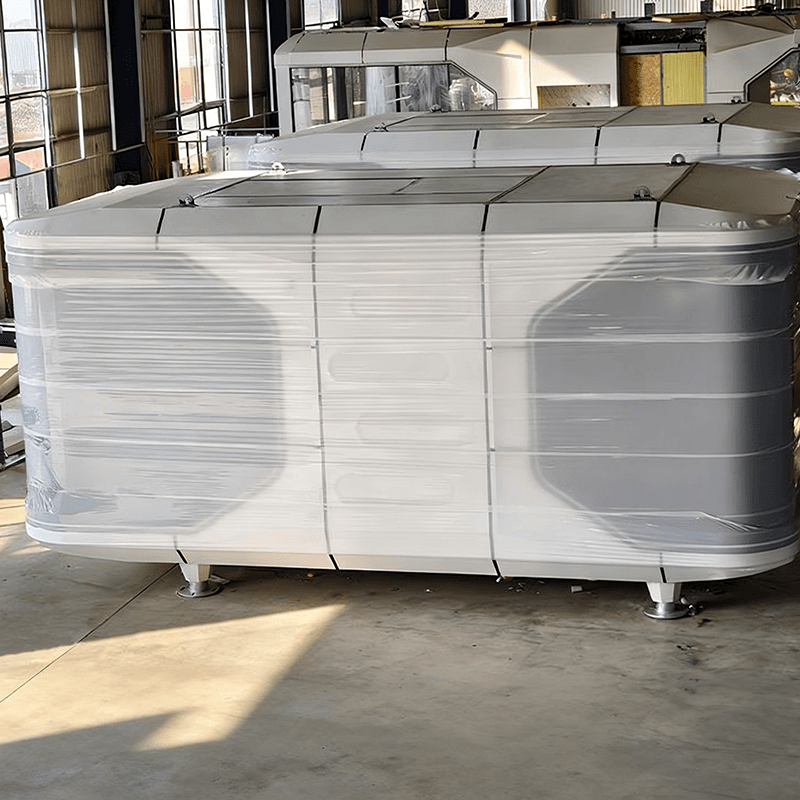
1. Meeting Restroom Needs and Ensuring Basic Physiological Requirements Construction sites are often located on the outskirts of cities or in undeveloped areas, where public restrooms are insufficiently covered. Workers may need to spend time searching for fixed restrooms, and may even reduce water intake or hold their urine due to the long distance, which can affect their health. Portable toilets are directly deployed inside or around the construction site, providing convenient restroom conditions and preventing workers from interrupting their work due to physiological needs, ensuring construction continuity.
2. Centralized Disposal of Excreta and Maintaining Environmental Sanitation Without portable toilets, workers may resort to defecating on the ground in emergency situations, leading to soil and water pollution around the construction site, breeding bacteria and unpleasant odors, and increasing the risk of disease transmission. Portable toilets collect and dispose of excreta through sealed fecal storage tanks or connection to municipal sewage systems, reducing environmental pollution and facilitating regular cleaning and disinfection to lower sanitation risks.
3. Reducing Round-Trip Time and Improving Construction Efficiency Workers frequently traveling between the construction site and external restrooms due to restroom issues can consume a significant amount of time, especially in large construction sites where a single round trip may take 10-20 minutes. The close deployment of portable toilets shortens restroom time, allowing workers to return to their posts more quickly, reducing non-productive time losses, and thereby improving overall construction efficiency and ensuring project progress.
4. Flexibly Adjusting Position and Quantity to Meet Different Construction Needs Construction sites have long construction periods, and the functions of different areas may change with the progress of the project (such as foundation construction, main building construction, and decoration stages). Portable toilets are movable and can be adjusted in position according to the construction area, avoiding resource waste caused by unreasonable placement of fixed restrooms. Additionally, the number of toilets can be increased or decreased based on the number of workers, such as adding temporary toilets during peak periods and reducing deployment during off-peak periods, achieving optimal resource allocation.
5. Extending to Large-Scale Event Scenarios and Meeting Temporary Needs Some construction sites may temporarily host large-scale events (such as music festivals or sports events), where the number of participants surges, and the existing fixed restrooms cannot meet the demand. Portable toilets can be quickly deployed to the event area, providing sufficient restroom stalls, avoiding queue congestion, maintaining event order, and ensuring participant experience. After the event, the toilets can be removed or transferred to other construction sites, achieving resource reuse.