
Usage Tips for Portable Toilets at Construction Sites
The use of portable toilets at construction sites requires comprehensive consideration from aspects such as site selection, securing, drainage, cleaning and maintenance, electrical safety and environmental protection, as well as special handling in cold regions to ensure their safe, hygienic, and efficient operation.
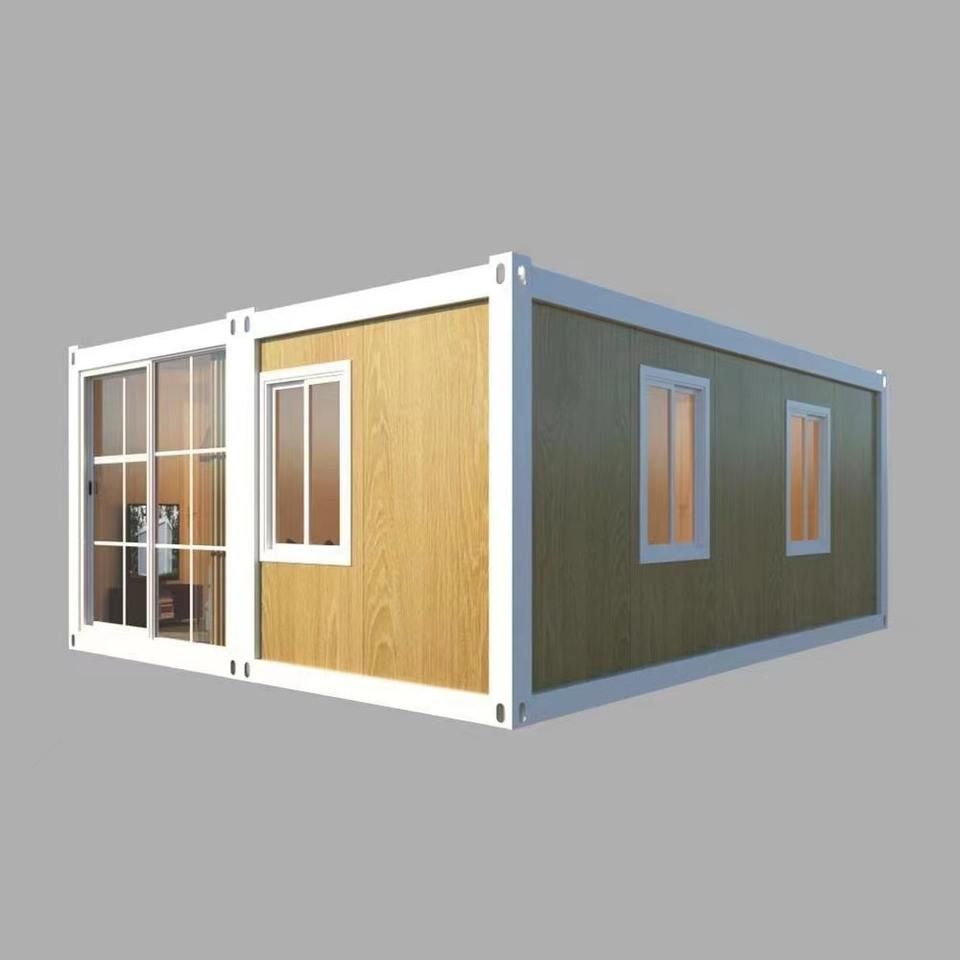
1. Site Selection Requirements
The installation location should be away from construction dust sources and heavy machinery operation areas to avoid dust pollution or mechanical collisions. Prioritize areas with higher elevation and smooth drainage to prevent rainwater backflow. At the same time, reserve sufficient passage space to avoid affecting the movement of construction vehicles and personnel. For example, in mountainous construction sites, avoid low-lying areas to prevent water erosion.
2. Securing Measures
In areas with frequent thunderstorms and strong winds (such as Jiangxi), secure the bottom of the toilet with expansion bolts or counterweights to ensure a firm connection with the ground and prevent tipping. If the ground is soft soil, additional ground anchors can be installed or the foundation area can be expanded to enhance wind resistance.
3. Drainage System Design
Outdoor toilets should be equipped with independent drainage pipes or temporary collection buckets to prevent the mixing of rainwater and sewage. In mountainous construction sites, shallow ditches can be dug to guide rainwater to the drainage area and prevent water accumulation around the toilet. In plain areas, regularly clean the drainage outlets to prevent blockages.
4. Cleaning and Maintenance
Clean the toilet at least once a day and thoroughly disinfect it once a week. Use chemical disinfectant tablets to wipe the toilet facilities to inhibit bacterial growth. Regularly inspect the water and electricity lines and the flushing system, and promptly repair any leaks or malfunctions. For electric flushing toilets, test the functionality of the leakage protector monthly to ensure electrical safety.
5. Electrical Safety and Environmental Protection Requirements
The cables of electric flushing toilets should be elevated or protected with pipes to avoid being crushed by vehicles. Do not use the toilet as a dumping site for household waste. The treatment of feces should comply with environmental protection standards (such as using septic tanks for sedimentation or professional agencies for removal) to prevent soil and water pollution.
6. Special Handling in Cold Regions
- Insulation Performance: In cold regions like Heilongjiang, choose toilets with heating functions to prevent pipe freezing. The outer shell should be made of thickened stainless steel or fiberglass-reinforced plastic to resist low-temperature deformation.
- Sewage Disposal Method: Prioritize the use of waterless packing toilets to avoid pipe freezing in winter.
- Daily Maintenance: After work each day, clean the accumulated water in the toilet to prevent nighttime freezing. Lay anti-slip mats around the toilet to reduce the risk of slipping. Regularly inspect the heating system to ensure normal operation in winter.



