
Research and Development Content of Portable Toilets for Construction Sites
The research and development content of portable toilets for construction sites covers multiple aspects such as materials, sewage disposal, intelligent management, functional integration, environmental adaptability, sanitation protection, energy optimization, extreme working condition response, and resource treatment, as detailed below:
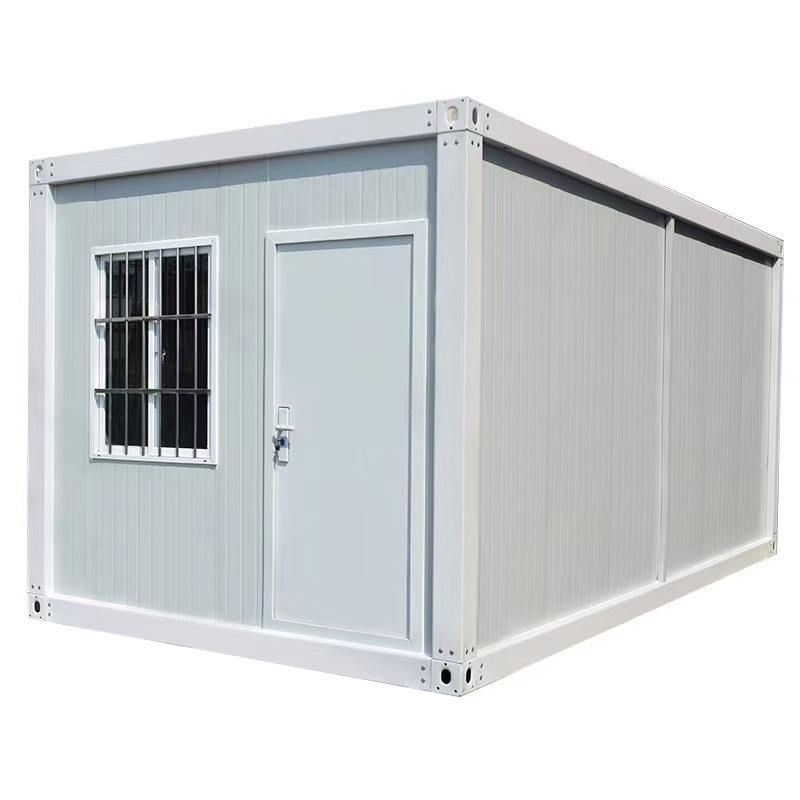
1. Material and Structural Upgrades
The focus of research and development is on enhancing the durability and portability of toilets. Metal alloys, polymer composites, lightweight steel, or high-strength plastics are used to replace traditional materials, significantly improving corrosion resistance and structural stability, and extending service life. Modular design has become a core direction, enabling rapid assembly and disassembly through standardized components to meet the needs of frequent location changes at construction sites while reducing transportation and maintenance costs.
2. Optimization of Sewage Disposal and Cleaning Systems
Traditional simple collection toilets are gradually being replaced by biodegradation and water recycling technologies. For example, integrated bioreactors can accelerate the decomposition of organic matter, reducing odors and pollution; multi-stage filtration and disinfection modules enable the reuse of flushing water, reducing dependence on external water sources. Some designs also incorporate vacuum suction technology to improve sewage disposal efficiency and reduce water consumption.
3. Intelligent Management Systems
Sensors are used to monitor filling status, water consumption, and equipment failures in real-time, with data wirelessly transmitted to a management platform for remote operation and maintenance. Some devices are equipped with GPS positioning and IoT monitoring systems, enabling real-time tracking of key indicators such as remaining capacity and ammonia concentration, and providing early warnings for maintenance needs, significantly improving management efficiency.
4. Multi-functional Integrated Design
In addition to meeting basic toilet needs, additional features such as changing areas, handwashing and disinfection devices, barrier-free access, and management rooms are added to enhance convenience. Ergonomics is considered in optimizing internal space layout to ensure comfort while controlling overall volume. Double-layer structural designs can distinguish between male and female areas or add tool storage areas to adapt to diverse scenarios.
5. Enhanced Environmental Adaptability
Designs are optimized for different climatic and geological conditions: insulation layers and anti-freezing drainage systems are added in cold regions; ventilation and anti-mold treatments are strengthened in hot and humid areas; reinforced foundations and balance adjustment devices are used in special geological conditions to ensure stable operation of facilities in complex environments.
6. Upgraded Sanitation Protection Technologies
Ultraviolet disinfection devices, ozone sterilization technologies, and touchless flushing systems are integrated to reduce the risk of cross-infection. Some designs further improve internal air quality through negative pressure ventilation and air purification modules, bringing sanitation levels close to those of fixed buildings.
7. Energy Consumption Optimization
Low-flow flushing technologies, LED lighting systems, and waste heat recovery devices are adopted to reduce energy consumption. Some devices are equipped with solar panels and energy storage batteries for off-grid operation, reducing dependence on external power sources, especially suitable for remote construction sites.
8. Solutions for Extreme Working Conditions
For complex outdoor environments, vehicle-mounted trailer-type portable toilets are developed, featuring heavy-duty truck chassis or trailer designs, equipped with independent water storage systems (500-1000 liters) and sewage collection devices, and capable of withstanding wind speeds up to Grade 8, ensuring normal use under harsh conditions.
9. Resource Treatment Technologies
Independent treatment units are formed through urine diversion, fecal biodegradation (such as high-temperature composting or biological fermentation), and graywater filtration and reuse. For example, feces can be converted into organic fertilizer through biodegradation, achieving waste resource utilization and reducing environmental pollution.



