
Back to blog
Article
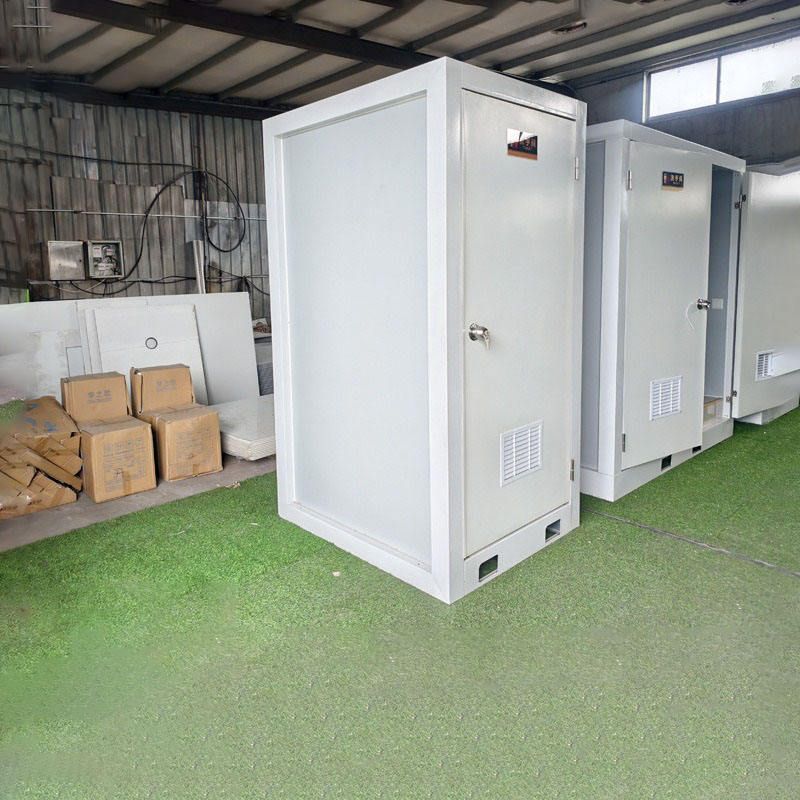
Construction Site Portable Toilet Design
Admin October 10, 2026
The design of portable toilets for construction sites needs to balance environmental protection, sanitation management, and mobility, with the core being the construction of a controllable excreta treatment system and flexible deployment through modular structures.
I. Key Points of Environmental Protection and Sanitation Management Design
Excreta Treatment Technology
- Microbial degradation technology is used to reduce the volume of residues by decomposing organic matter through specific microbial communities, achieving harmless treatment. The treated residues can be used as green fertilizer, forming a resource recycling loop.
- If physical containers such as water storage tanks are used, a clear emptying cycle must be established, with standards set based on usage frequency (e.g., daily user count) and ambient temperature (high temperatures accelerate decomposition but require odor prevention) to avoid overflow or odor diffusion.
Material and Structural Selection
- Main materials: Lightweight and durable fiberglass or polyethylene are preferred, offering corrosion resistance and easy cleaning while reducing long-term maintenance costs.
- Toilet fixture materials: Contact surfaces such as toilets and sinks must be smooth and seamless to prevent dirt buildup; drainage traps should be designed to prevent backflow odors.
- Insulation and ventilation: Construction sites in northern regions require additional insulation layers to prevent freezing in winter; ventilation openings should be equipped with fly screens to reduce the risk of disease transmission.
Water-saving and Waterless Technologies
- Water-saving toilets can reduce water consumption through low-flow flushing or recirculating water systems; waterless toilets can be paired with biodegradable bags to directly collect and seal excreta for treatment.
II. Key Points of Mobility Design
Modular Structure
- In reference cases, a design using stacked water storage tanks on pallets with casters enables overall mobility. The structure must be stable to prevent tipping during transportation.
- Walls, doors, and other components should use snap-fit or bolt connections for quick assembly and disassembly, adapting to different site requirements.
Functional Integration
- The interior must integrate toilets, sinks, drainage systems, and other basic functions, with reserved space for additional equipment such as showers and lighting (selected based on needs).
- Power can be supplied by solar panels or portable generators to reduce reliance on external power sources.
III. Standardized Sanitation Management Operations
Cleaning and Disinfection
- Disinfectants that do not interfere with the microbial degradation system (e.g., chlorine-based disinfectants with controlled concentrations) should be selected to avoid disrupting microbial balance.
- Solid waste (e.g., toilet paper, garbage) must be sorted and collected separately from excreta to prevent pipe blockages.
User Guidance
- Signage systems should clearly indicate prohibited items (e.g., plastic bags, cigarette butts) to protect the degradation system or pipes.
- Provide usage instructions (e.g., flushing methods, garbage disposal locations) to reduce sanitation issues caused by misuse.
Dynamic Adjustment Management
- Record usage data (e.g., daily user count, emptying frequency) to optimize cleaning and maintenance cycles, forming an adaptive management plan.
The design must balance functionality and cost-effectiveness, achieving sustainable use of portable toilets at construction sites through environmental technologies, modular structures, and standardized management.
Related



