
Construction Site Mobile Toilet Solution
The construction site mobile toilet solution focuses on modular design and resource recycling, achieving efficient deployment through mobile equipment and integrated services. It covers multi-dimensional optimizations including technical implementation, functional configuration, maintenance systems, and environmental and economic efficiency.
Technical Implementation and Functional Configuration
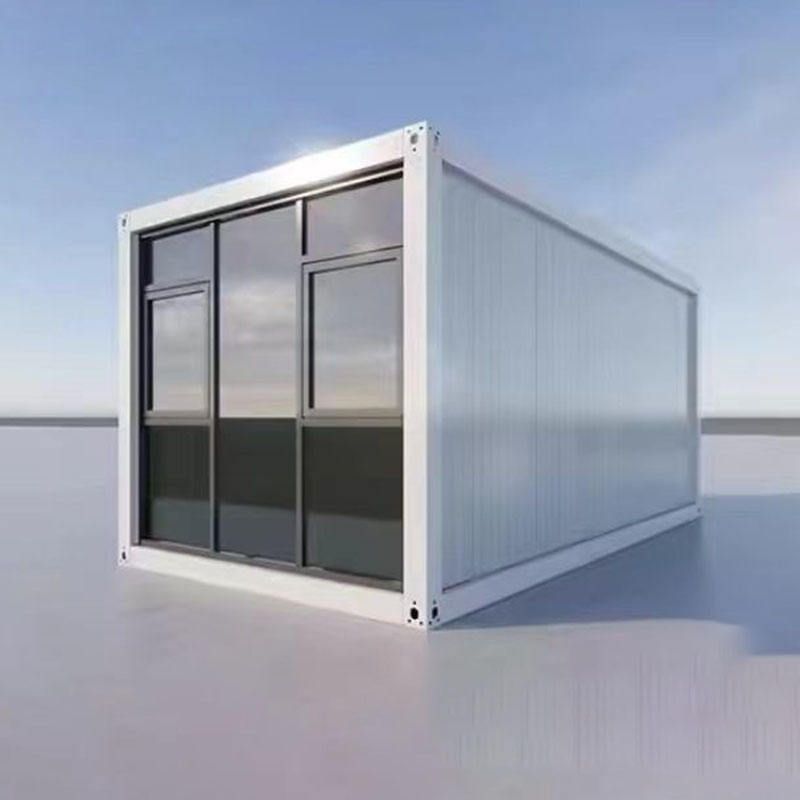
Mobile toilets adopt standardized container structures, integrating water-saving flushing systems, ventilation devices, and septic tanks. Biodegradation or chemical treatment technologies can initially decompose waste, reducing pollutant emissions. Some models are equipped with solar power systems for self-sufficient lighting and ventilation. The chassis design emphasizes adaptability, with heavy-duty tires or sliding bases to handle uneven ground, while weather-resistant structures and non-slip floors ensure all-weather safety. Internal space is optimized through ergonomics, dividing functional areas within limited areas. For example, single-unit public toilets with compartments are equipped with handwashing stations, simple lighting, and tool storage spaces to meet workers' basic hygiene needs.
Hygiene Maintenance and Environmental Control
A professional service model is adopted, with service providers regularly cleaning, disinfecting, replenishing consumables, and removing waste. Maintenance cycles are dynamically adjusted based on usage frequency to avoid fluctuations in hygiene standards seen in traditional toilets. Waste treatment is achieved through 'point collection-centralized processing': excreta is sealed in storage tanks and transported by professional companies to harmless treatment facilities, reducing solid waste volume by over 60%. Some models feature graywater recycling systems, saving 70% more water than traditional flush toilets and suitable for water-scarce environments. Pollutant emissions strictly comply with environmental standards to prevent odor diffusion.
Economic Efficiency and Technological Iteration
The leasing model allows construction companies to avoid fixed asset investments and adjust equipment quantities as needed, reducing civil engineering and demolition costs compared to fixed toilets. The cost structure includes equipment usage fees, transportation fees, and maintenance fees, forming a closed-loop service. Technological iteration directions focus on intelligence: IoT monitoring systems provide real-time feedback on usage status and hygiene conditions, improving maintenance response efficiency; air quality sensors can automatically adjust ventilation intensity to optimize user experience.
Layout Principles
- Distance Adaptation: Toilets should be located near workers' living areas, with walking distances controlled within 200 meters.
- Functional Zoning: The recommended ratio of male to female toilet stalls is 1:1.2, with additional accessible toilets (including baby care stations) equipped with basic supplies like toilet paper and hand sanitizer. Shading canopies or cooling devices can be installed in hot weather.
- Environmental Compliance: Choose water-flush or vacuum sewage systems and regularly remove waste to ensure compliance with local sanitation requirements.



