Construction Site Mobile Toilet Practice
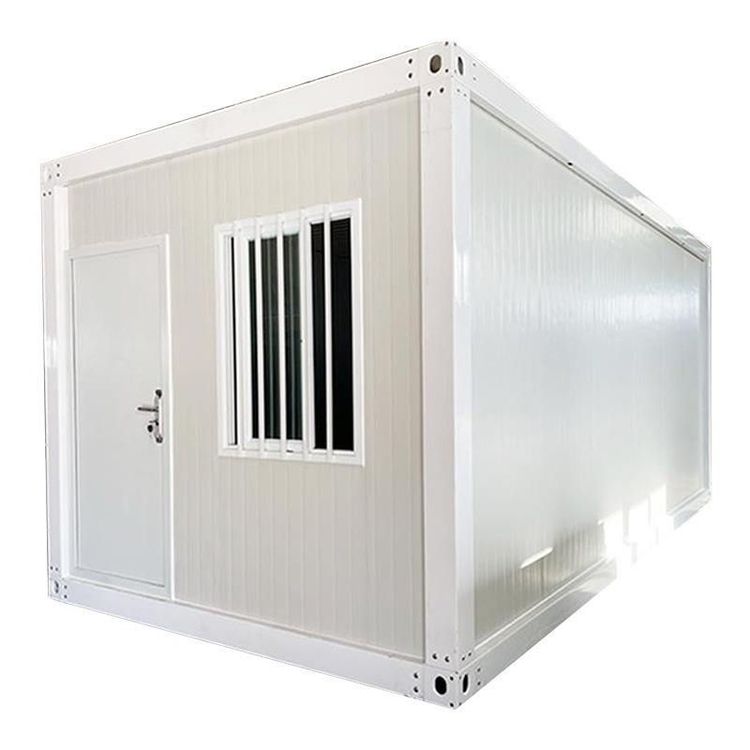
A common practice for mobile toilets at construction sites is to adopt a frame-type structure combined with specific materials and internal configurations to meet the usage needs of construction sites.

I. Frame Structure Design
The main frame of a mobile toilet at a construction site is typically formed by welding 10×10, 1.5-millimeter-thick square tubes, creating an overall support structure that ensures stability and load-bearing capacity. The bottom frame can be made by welding channel steel or I-beams to enhance resistance to deformation and adapt to the complex terrain of construction sites. Square steel is used for the columns to further strengthen the structural integrity and facilitate subsequent wall installation.
II. Wall Material Selection
Wall materials need to balance durability, waterproofing, and ease of cleaning. Common options include:
- Color-coated steel plates: Low cost, easy installation, and the surface coating provides corrosion resistance, suitable for short-term use scenarios.
- Fiberglass-reinforced plastic: Lightweight and high-strength, with strong corrosion resistance, but relatively high cost, often used in construction sites with high environmental adaptability requirements.
- Stainless steel: Excellent durability and strong impact resistance, but relatively high price, suitable for long-term repeated use.
- Metal embossed panels: Combine aesthetics with functionality, with surface textures that enhance visual appeal while providing thermal insulation.
III. Internal Functional Configuration
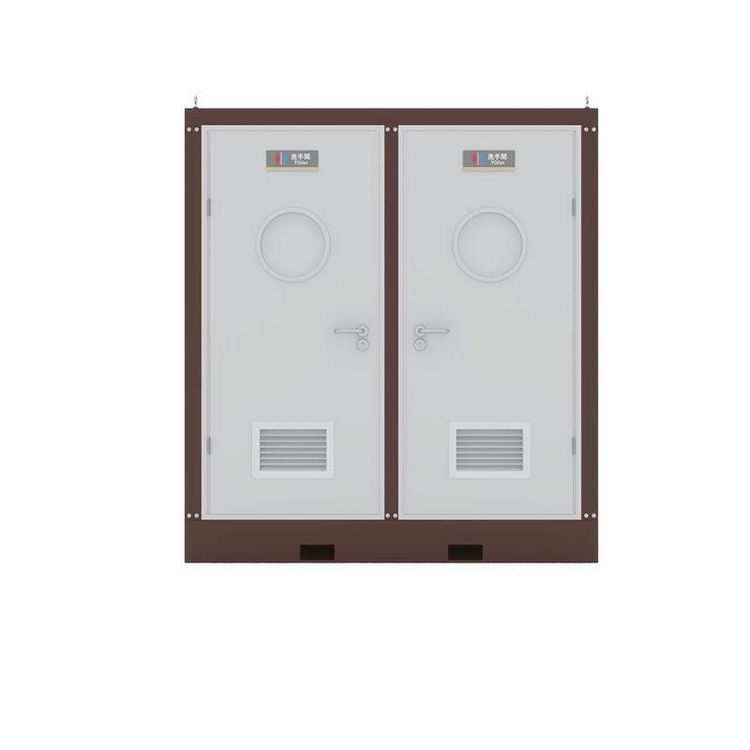
- Space division: Based on the number of construction site personnel, design separate men's and women's restrooms, typically with a toilet stall ratio of 1:1.5 for men to women to reduce queuing time.
- Sanitary facilities: Equipped with special doors for container houses to ensure airtightness and privacy; install ceramic sinks to provide cleaning conditions; lay anti-slip floor rubber on the ground to prevent slipping due to water accumulation and facilitate cleaning and maintenance.
- Ventilation and lighting: Install ventilation openings on the top or side walls, combined with exhaust fans to maintain air circulation; install LED lights inside to provide sufficient lighting and ensure safe use at night.
IV. Construction Precautions
- Frame welding must comply with steel structure welding specifications to ensure no cold welds or missed welds in the welds.
- When installing walls, reserve maintenance openings to facilitate later pipeline maintenance.
- Before laying anti-slip floor rubber on the ground, ensure the base layer is flat to avoid blistering or peeling.
Through the above design, mobile toilets at construction sites can achieve rapid assembly, flexible movement, and meet core requirements such as hygiene, safety, and durability.