
Customization of Mobile Toilets for Construction Sites
The customization of mobile toilets for construction sites requires comprehensive consideration of factors such as demand communication, design and production, material and structure, and product types to meet the actual usage needs on construction sites.
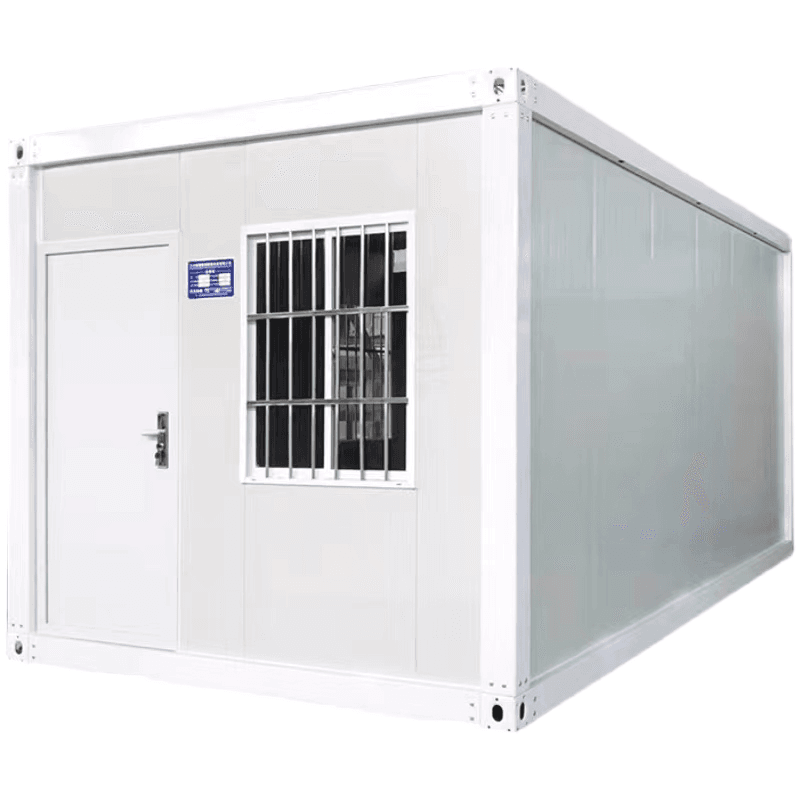
Customization Process
The customization process begins with communicating requirements, which involves determining dimensions and layout, door and window positions and opening methods, internal circuit configurations (such as sockets, lighting, and air conditioning reservations), exterior colors, and logo designs. Based on the on-site conditions, the enterprise provides a reasonable design plan. After confirmation, it enters the factory prefabrication stage, with a production cycle generally ranging from 7 to 15 days, which may be extended for complex plans. After prefabrication is complete, the product is transported to the site in an integrated or modular form. After the foundation is leveled, it is hoisted or assembled, and connected to water and electricity for immediate use.
Materials and Structure
The main frame is generally made of steel to ensure stability and durability. Exterior wall materials can be selected from galvanized steel sheets, stainless steel sheets, aluminum sheets, or metal carved panels, balancing aesthetics and functionality. Internally, rock wool or polyurethane is commonly used for thermal insulation to adapt to different climatic conditions. The floor is laid with anti-slip flooring and paired with a waterproof layer to prevent water accumulation and slipping risks. Doors and windows often use aluminum alloy profiles with insulated tempered glass, ensuring light transmission while enhancing safety and impact resistance. For example, a 30-square-meter mobile toilet features a pitched roof design, uses thermally insulated metal carved panels for the exterior walls, and incorporates grille decorations, balancing practicality and aesthetics.
Product Types
Common types include single-unit mobile toilets (independent compartments suitable for dispersed pedestrian areas) and modular mobile toilets (modular assemblies that can be equipped with sinks, urinals, etc.). For special needs, there are also mobile toilets with barrier-free access (convenient for disabled individuals), eco-friendly ecological toilets (such as those using microbial degradation or recirculating water flushing to reduce water consumption), and luxury mobile toilets (equipped with air conditioning, lighting, ventilation fans, etc., to enhance comfort). These products can be widely applied in industrial parks, construction sites, and other scenarios, providing workers with convenient and hygienic toilet facilities.



