
Layout of Mobile Toilets on Construction Site Floors
The layout of mobile toilets on construction site floors requires comprehensive consideration of factors such as the starting floor and spacing for installation, installation location, type and structure, and sanitation management and maintenance measures.
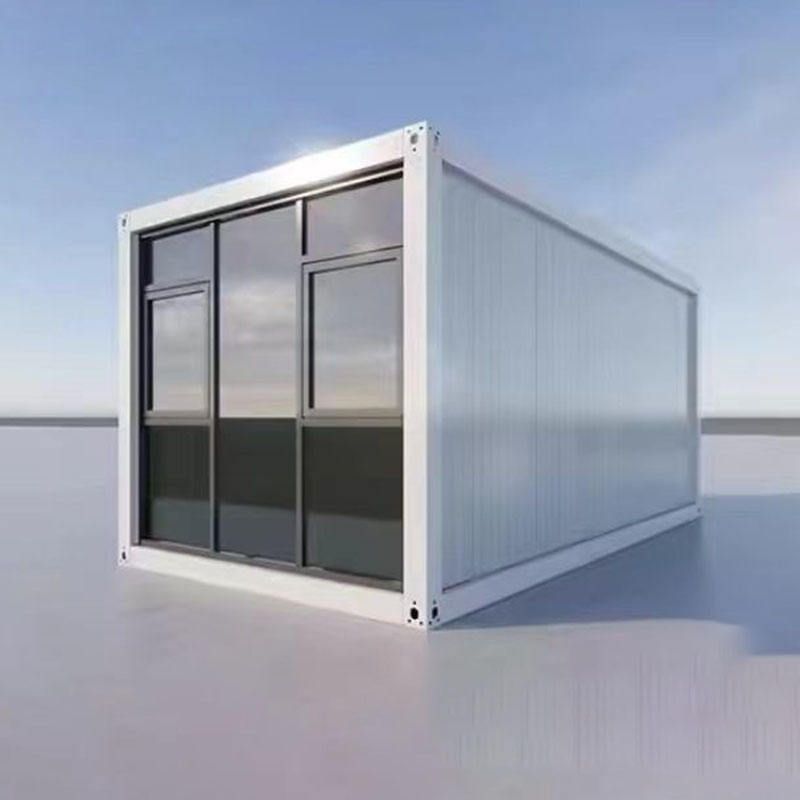
Starting Floor and Spacing for Installation: There are generally two common approaches. One is to start installing from the 8th floor and then place a mobile toilet every 4 floors. The other is to set up a temporary toilet point every two floors or every 500 square meters. The specific choice of method depends on the actual scale of the construction site, construction progress, and personnel distribution.
Installation Location: The placement of mobile toilets cannot be arbitrary and should be planned in advance. Firstly, it is necessary to ensure that they do not affect the normal work and passage of construction site personnel. Generally, they should be placed as close as possible to stairwells or passageways for the convenience of use. At the same time, they should avoid major material storage areas and hazardous work areas, such as areas where high-altitude operations or electrical welding operations are being carried out, to ensure the safety of users. In addition, toilet points will be adjusted according to construction progress. For example, in high-rise building construction, a point may be set up every few floors. As the floors continue to rise, the toilet locations are adjusted in a timely manner and removed promptly upon completion.
Type and Structure: Most mobile toilets are of the portable type, with materials mainly being lightweight and durable polyethylene or steel structures. These materials have properties such as corrosion resistance and UV resistance, enabling them to adapt to the variable outdoor climate conditions. Each toilet compartment is usually set up independently, with a collection box at the bottom for temporary storage of excreta. Some toilets are also designed with simple ventilation openings to effectively reduce the accumulation of odors. These toilets do not need to be connected to the underground drainage system but are cleaned using movable collection containers, making them highly suitable for temporary construction environments.
Sanitation Management and Maintenance Measures: The construction site will arrange for dedicated personnel to carry out regular cleaning and disinfection. The frequency of cleaning and disinfection depends on the number of users, for example, once every half-day or every day. The waste liquid and solids in the collection boxes are handled by professional cleaning personnel and transported to designated locations for harmless disposal. In addition, the toilets are equipped with simple sanitary items such as toilet paper and hand soap, and some are also provided with temporary hand-washing facilities to meet the sanitation needs of users.


