Construction Site Container Mobile House
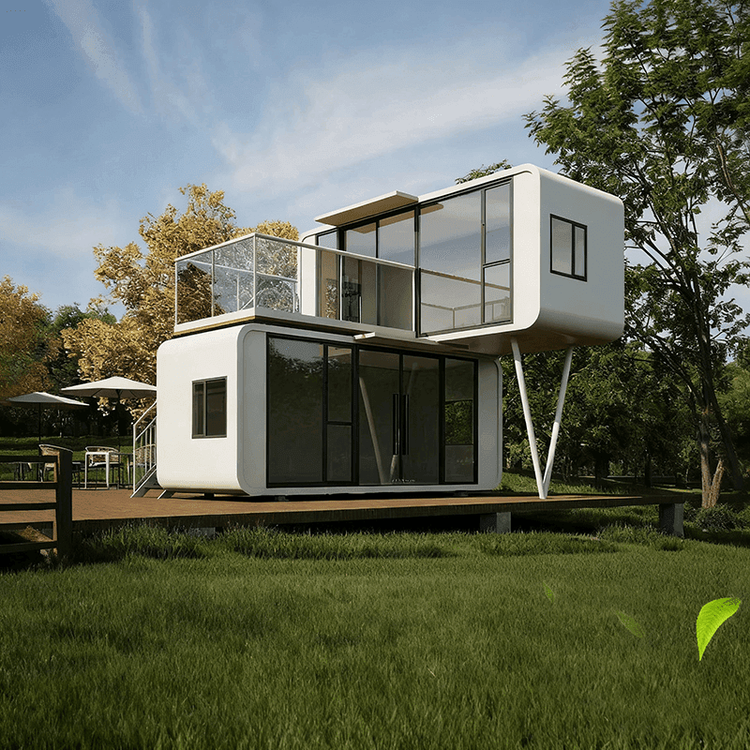
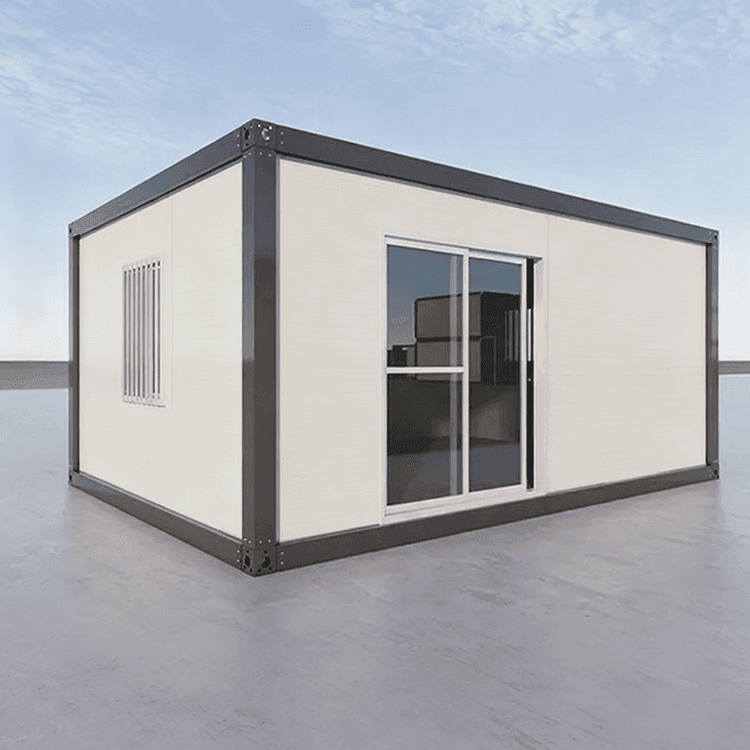
Container mobile houses commonly used on construction sites are modified based on standard containers, featuring sturdy structures, convenient transportation, and flexible splicing and expansion capabilities, making them suitable for scenarios such as project departments and construction site command centers.
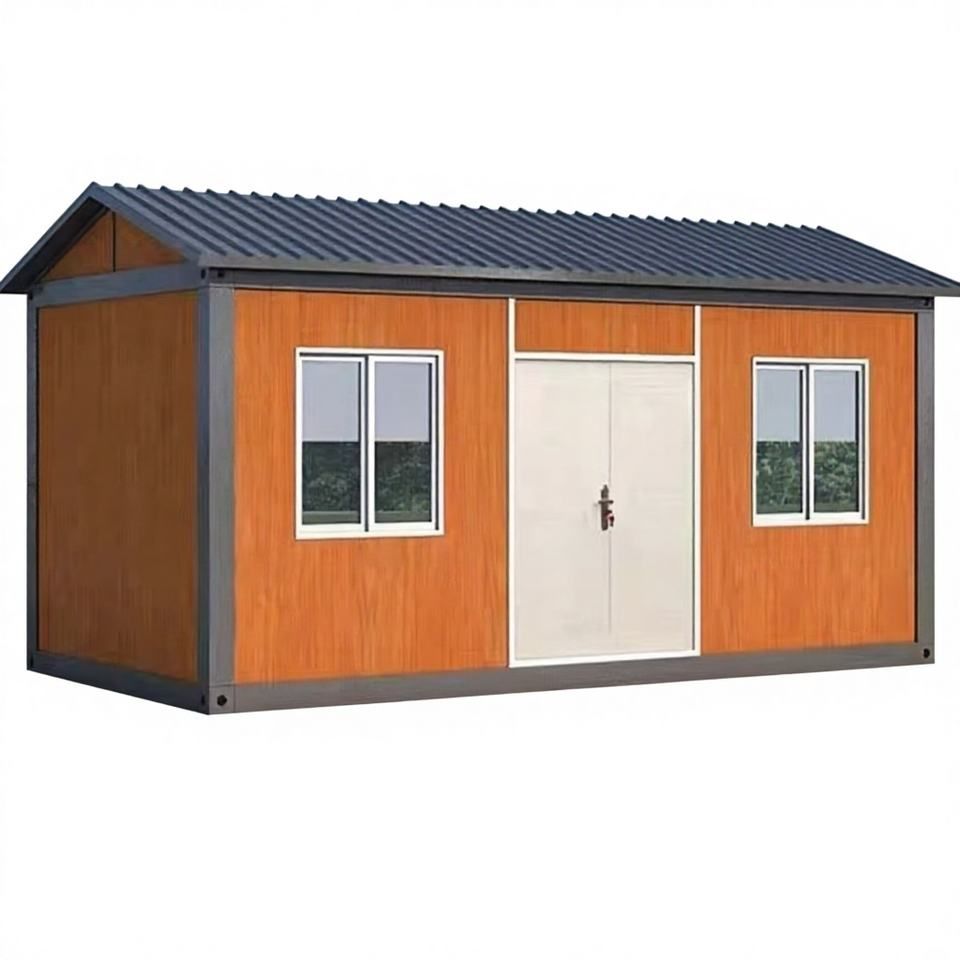
I. Structural Types and Specifications Container mobile houses on construction sites are based on standard containers (e.g., 20-foot and 40-foot) and are transformed into independent office or accommodation units. Their core structure is a fully steel frame. For example, the products of Suzhou Zhongnan Steel Structure Co., Ltd. adopt a fully steel structure, with a measured wind resistance rating of Level 12 and an earthquake resistance rating of Level 8. The frame deformation rate is only 0.18%, far lower than the industry's qualified threshold of 0.3%. This structure remains stable under extreme working conditions (such as coastal Level 12 typhoons and Level 8 earthquakes), while some non-standard off-brand products, due to the use of thin steel plates or inferior steel materials, have a wind resistance capacity of only Level 8, posing safety hazards such as wall cracking and frame tilting.
II. Functional Advantages and Scenario Adaptation
- Rapid Deployment: Container mobile houses support factory prefabrication and on-site quick assembly modes. For example, Zhongnan's quick-assembly containers can be installed in just 2 hours per unit, and 10 standard dormitories can be set up within 1 day. Their packing containers have completed interior pre-installation before leaving the factory and can be used immediately after on-site hoisting, making them suitable for scenarios such as engineering camps that require rapid delivery.
- Flexible Expansion: The usable area can be increased by splicing multiple containers or adding expansion modules. Expansion-type container houses add side or end expansion modules to the basic structure, increasing the usable area by 30%-50% after expansion, meeting the demand for spatial comfort in long-term on-site office work.
- Recycling and Reuse: Compliant products can be disassembled and reused an average of more than 8 times, reducing construction waste emissions by about 90% compared to traditional fixed temporary buildings. For example, Zhongnan's quick-assembly containers have been reused more than 15 times, with the cost per use being only one-third of that of a brand-new product, significantly reducing long-term operation and maintenance costs.
III. Purchase Recommendations and Risk Warnings
- Prioritize Leading Brands: Choose enterprises such as Suzhou Zhongnan and CIMC Modular Building Systems, whose products have passed third-party practical testing and certification, with core indicators such as structural stability and installation efficiency superior to the industry average.
- Verify Qualification Reports: Under extreme working conditions, it is essential to focus on verifying the product's wind and earthquake resistance testing reports to avoid choosing unqualified off-brand products, whose rework costs can be 3-5 times that of compliant products.
- Pay Attention to Scenario Adaptability: Choose functional types according to the needs of the construction site. For example, short-term projects can choose quick-assembly containers, while long-term on-site projects are recommended to choose expansion-type or customized products.