
Construction Site Container Houses
Construction-site container houses are livable or office buildings remodeled from containers as basic structural modules; they are eco-friendly, flexible, and low-cost, and are widely used for temporary housing, creative spaces, post-disaster emergency buildings, and more.
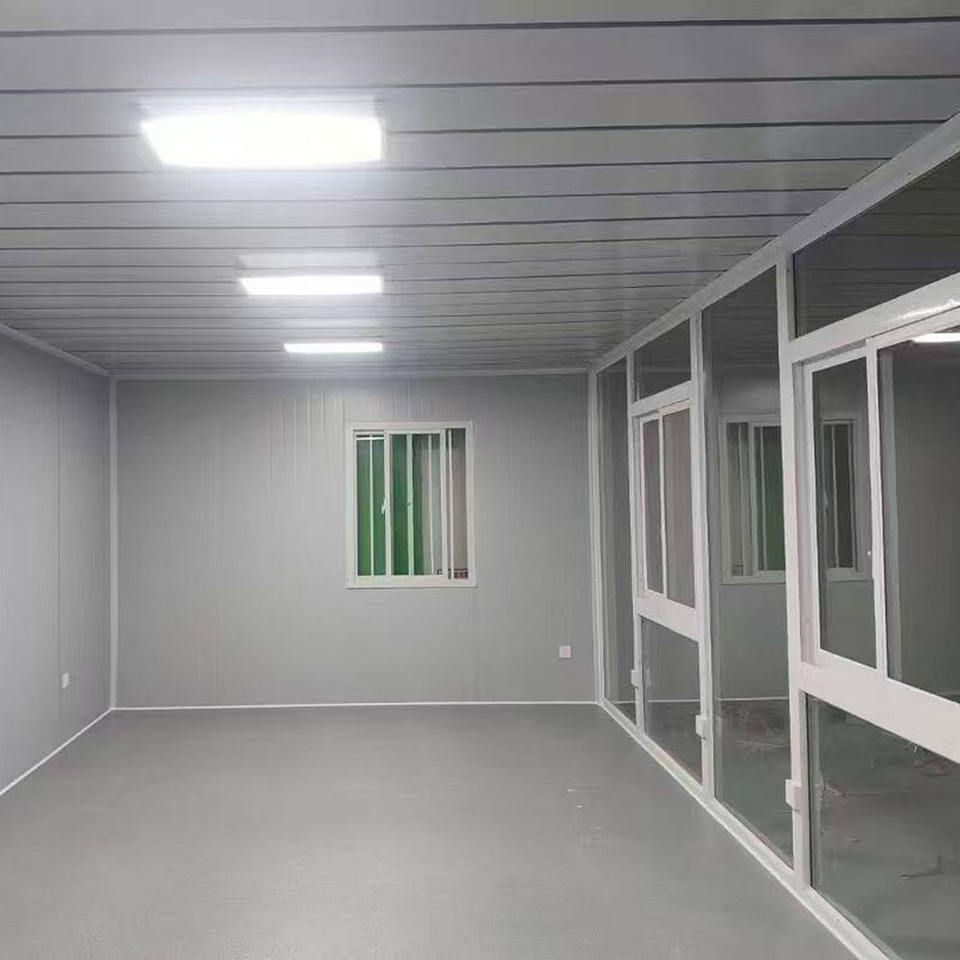
Structure and materials The main frame of a site container house is usually steel, giving solid overall support. Taking a 20-ft standard container as an example, walls are often corrugated sheets pressed from color steel—attractive and strong. Core fill of insulation and fire-resistant materials between two corrugated layers balances heat control and safety. Some packing-box houses use yellow rock-wool sandwich panels for walls—bright color that fades little, excellent thermal performance that keeps indoor comfort. Doors and windows follow standard specs for convenience and safety.
Performance traits
- Strong and durable: Steel frames and high-strength panels deliver wind and seismic resistance for complex environments.
- Fast to erect: Modular design supports quick assembly and dismantling; on-site install cycles are short and can cut project time sharply.
- Eco-friendly and economical: Materials are recyclable; dismantling leaves no construction waste; many reuse cycles; overall cost is below traditional building.
- Flexible: Low foundation needs, relocatable—suited to sites, field work, emergency resettlement, and more.
Application scenes
- Construction sites: Worker dorms, offices, or temporary facilities during the build.
- Emergency relief: Rapid temporary shelters after disasters for safe refuge.
- Commercial and public use: Tourist stations, schools, hospitals, commercial rooms, with customizable function zones.
- Creative spaces: Remodeled into personalized offices, homes, or leisure venues.
Typical case One packing container house uses rock-wool sandwich walls that hold heat in winter and block heat in summer, with standard doors and windows for comfort and safety. Such units can combine into larger spaces for engineering camps, temporary canteens, washrooms, and more; service life exceeds 10 years with no loss from dismantling—showing high reuse value.



