
Quality of Portable Toilets for Construction Projects
The quality of portable toilets for construction projects can be comprehensively evaluated from four aspects: core product advantages, intelligent upgrades, characteristics of different types, and actual performance.
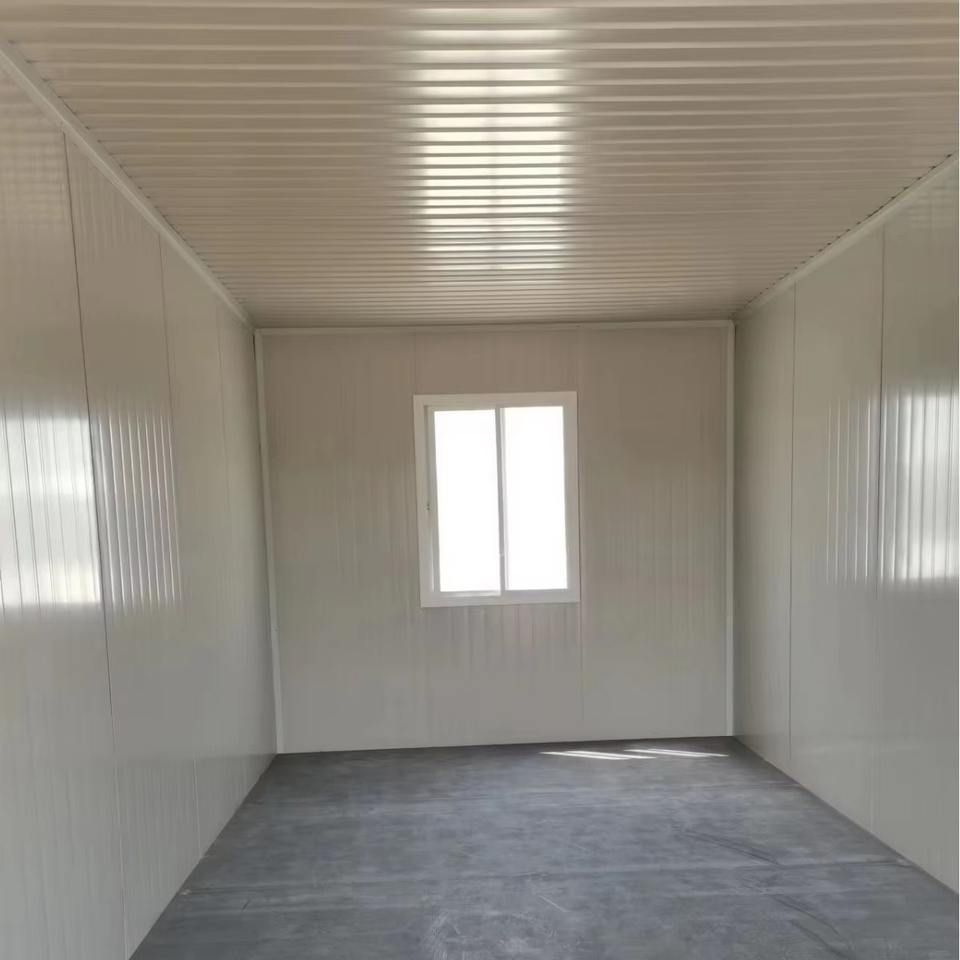
Core product advantages form the foundation of quality. The modular and portable design utilizes lightweight fiberglass or polyethylene materials, supporting rapid disassembly and assembly. This reduces the weight of each unit by 30% and transportation costs by 50%, meeting the frequent relocation needs of construction sites. The environmental protection treatment system offers three options: flushing, biodegradable, and solar-powered. The flushing type uses ≤1 liter of water per use, the waterless type achieves a 90% degradation rate within 48 hours, and the solar-powered model meets nighttime lighting requirements. In terms of user-friendly details, the interior space is optimized to 1.2m×1.5m, equipped with anti-slip floors, barrier-free handrails, and sensor-activated lighting as standard. Premium models can be fitted with air conditioning and emergency call devices, enhancing comfort and safety.
Intelligent upgrades significantly improve management efficiency. The remote monitoring system uses IoT technology to monitor the capacity of the sewage tank (with an accuracy of ±3%) and air quality in real-time, avoiding oversight from manual inspections. The self-cleaning technology employs UV disinfection modules and spray-type deodorization devices, increasing odor elimination efficiency by 70%. The overflow automatic alarm function provides a 2-day advance warning to prevent sewage overflow and reduce maintenance costs.
Characteristics of different types meet diverse needs. The recirculating water type achieves an 85% water-saving rate through biochemical treatment technology, with the purified water suitable for fish farming and watering plants, and the septic tank requiring cleaning only once a year. The waterless flushing type uses biodegradable plastic bags to package waste, eliminating the need for sewer pipes, with low operating costs and enabling the resourceful use of feces and urine, reducing sewage treatment steps.
Actual performance verifies quality reliability. Taking wind resistance as an example, Anhui Zhisheng Environmental Protection's product, with a main steel pipe wall thickness of 2.5mm, can withstand wind speeds of up to Level 10. After experiencing severe convective weather, the frame remains undeformed, the welds are free from cracks, and there is no rust after 480 hours of salt spray testing. Shandong Hengtong's product, with a wall thickness of 2mm, can withstand Level 8 winds and requires reinforcement after severe convective weather. Henan Yuzhijie and Jiangsu Huajie's products, with wall thicknesses of 2.2mm and 2.1mm respectively, can withstand Level 9 winds, but show slight rust at the welds. In contrast, unbranded products on the market, with a wall thickness of only 1.5mm, can only withstand Level 6 winds, deform within 3 months, and show rust within 1 month, with maintenance costs more than three times those of branded products. Actual testing data shows that products from legitimate enterprises significantly outperform unbranded products in terms of structural strength and corrosion resistance.



