
Construction of Campus Mobile Toilets
The construction of campus mobile toilets requires comprehensive consideration of factors such as materials, functionality, design, customization, and cost. The specific plan is as follows:
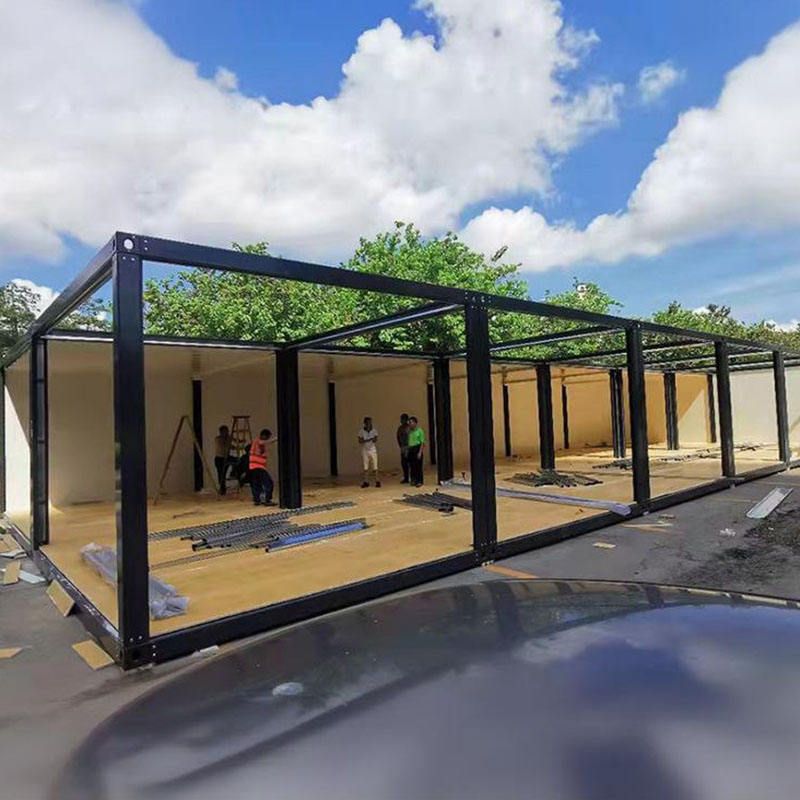
1. Material and Structural Selection
The main structure of campus mobile toilets should balance durability and portability. It is recommended to use stainless steel or steel structures, fabricated through welding processes. For example, products from Henan Qingzhigu Environmental Protection Technology Co., Ltd. utilize metal-carved panel containers or steel structures, with galvanized steel used for the bottom frame to ensure overall structural stability and corrosion resistance. These materials are moderately heavy, facilitating easy transportation and assembly while meeting long-term campus usage needs.
2. Functional Configuration Optimization
Basic functions should include fecal sewage storage tanks (or disposal units), flooring, sanitary fixtures, walls, washing facilities, water tanks, roofs, and mobility devices. To enhance the user experience, additional features such as exhaust fans, drainage systems, and automatic flushing devices can be added to ensure environmental friendliness and odorlessness. For instance, a certain model is equipped with ceramic pedestal sinks, anti-slip aluminum floors, and complies with China VI emission standards, balancing hygiene and environmental requirements.
3. Adherence to Design Principles
Design should adhere to three principles: portability, cost-effectiveness, and environmental sustainability. The structure should be lightweight yet sturdy, with controlled height (recommended not exceeding 3 meters) and width (to fit standard transport vehicles) to reduce transportation costs. For example, mobile toilets deployed at the Lanzhou Yellow River Scenic Area optimize structural design to meet temporary needs while facilitating rapid deployment and retrieval.
4. Customization Options
Customization can be tailored to actual campus scenarios, including size, color, and style. For example, custom dimensions of 3×9×2.9 meters are available, with color options such as white, yellow, black, and blue. Aluminum alloy or thermal-break aluminum windows can also be added to enhance aesthetics and lighting. Customized services better integrate with the campus environment and meet individualized needs.
5. Cost and Procurement Process
Prices are typically calculated per square meter, with a minimum order quantity of 1 square meter and a unit price of approximately 600 yuan. During procurement, logistics methods (such as full-truck or less-than-truckload delivery) should be negotiated with the seller, and payment methods like Alipay, WeChat, or bank transfers can be chosen. It is advisable to plan the budget in advance and select cost-effective products based on campus usage frequency and scale.
By following these steps, the construction of campus mobile toilets can be systematically completed, balancing functionality and cost-effectiveness to provide a convenient and hygienic restroom environment for teachers and students.



