
Safety Regulations for Construction Mobile Toilets
The safety regulations for construction mobile toilets cover multiple aspects such as site selection, structure, water and electricity, fire and lightning protection, sewage and sanitation, usage, and daily maintenance. Details are as follows:
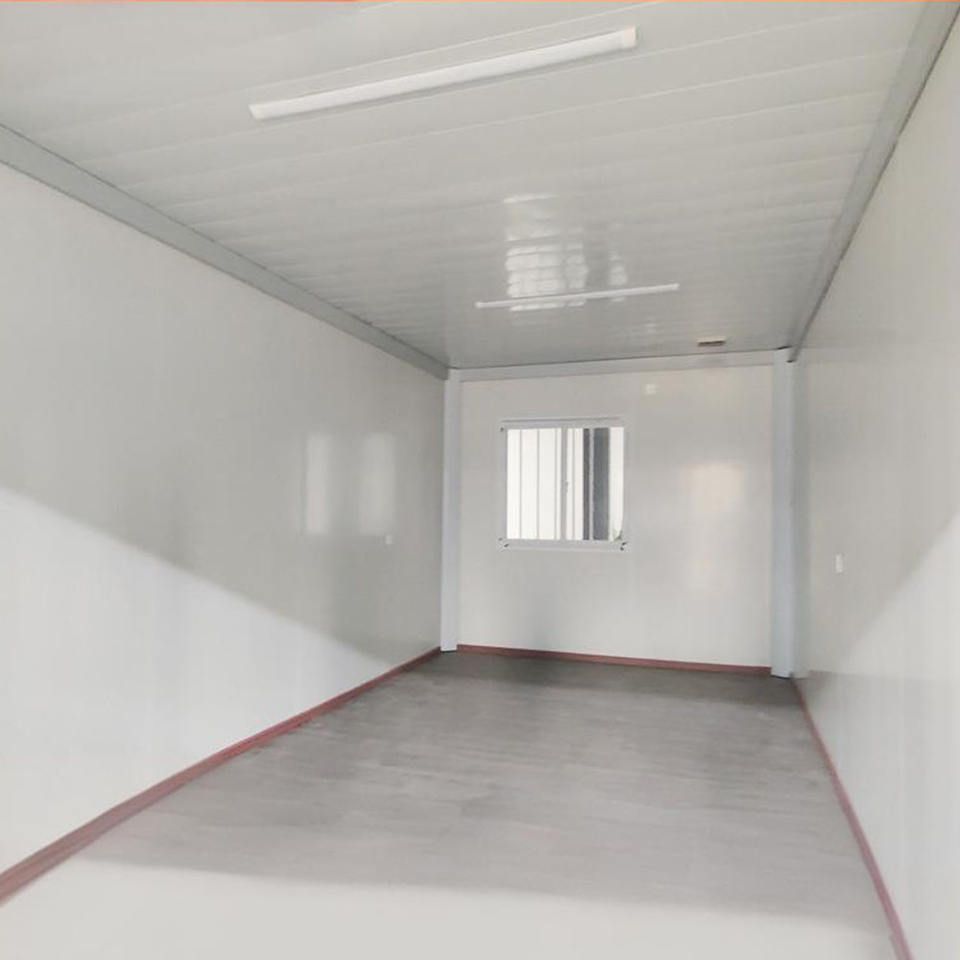
Site Selection Safety Regulations: Choose an area with a flat and stable ground and good drainage. Keep away from construction hazard areas such as the operating radius of tower cranes, the edges of foundation pits, high-voltage lines, and storage areas for flammable and explosive materials. Avoid low-lying areas prone to waterlogging and areas with landslide risks. It is advisable to select a relatively high, flat, and dry location. Maintain a safety distance of no less than 5 meters from buildings and temporary facilities. Ensure there is sufficient space around the site for easy cleaning and maintenance, set up clear signs, and leave a safety buffer zone.
Structural Stability Regulations: Carry out foundation construction according to the size and weight of the toilet. Generally, use concrete pouring to ensure that the foundation can bear the self-weight of the toilet and the usage load. Place the toilet horizontally during installation, tighten the fixing bolts, and be cautious during hoisting. In areas with strong winds, take reinforcement measures, such as installing windbreak ropes or ground anchors. The framework, walls, and other structures should be firm, with no obvious deformations or cracks. Regularly check the doors, windows, and ventilation functions.
Water and Electricity Safety Regulations: Confirm that the power supply voltage is appropriate before connecting the electrical wires. When equipping with sewage pipes, prepare pipes with the appropriate diameter for tight connection and sealing. If there are no sewage pipes, equip with a septic tank and pay attention to the pipe slope. The electrical wiring inside the toilet should comply with safety regulations. Do not make unauthorized connections. Equip with leakage protection devices.
Fire and Lightning Protection Regulations: Smoking, lighting fires, using open flames, or throwing burning objects are prohibited inside the toilet. Equip with fire extinguishers and other fire-fighting equipment and conduct regular inspections and maintenance. Install lightning protection devices in areas with frequent thunderstorms.
Sewage and Sanitation Regulations: Properly handle waste and sewage. Reasonably design sewage pipes or regularly clean the septic tank. In specific situations, consider connecting with existing sewers or sewage treatment systems. Regularly clean and disinfect, and equip with effective disinfectants. Do not discard construction waste or chemicals. The treatment of feces should comply with sanitation regulations. Keep the surrounding area clean and set up sanitation reminder signs.
Usage Safety Regulations: Check the door locks, curtains, lighting, and the ground before use. Mobile toilets on construction sites should be equipped with anti-slip mats, and the height of the handrails should be between 0.8 and 1.1 meters. Equip with emergency lighting. If there is a equipment failure, immediately post a sign and contact for repairs. When entering, confirm that the environment is safe, walk steadily, and close and lock the door firmly.
Daily Maintenance Regulations: Flush at least once a day, and adjust the cleaning cycle according to the number of users and usage frequency. Arrange for a dedicated person to inspect daily and promptly replenish consumables. Conduct comprehensive maintenance regularly for long-term use.


