
Mobile Toilet Setup for Construction in Progress
Setting up mobile toilets for construction in progress holds significant importance in terms of convenience, sanitation, strong environmental adaptability, and environmental protection, with various types and setup requirements.
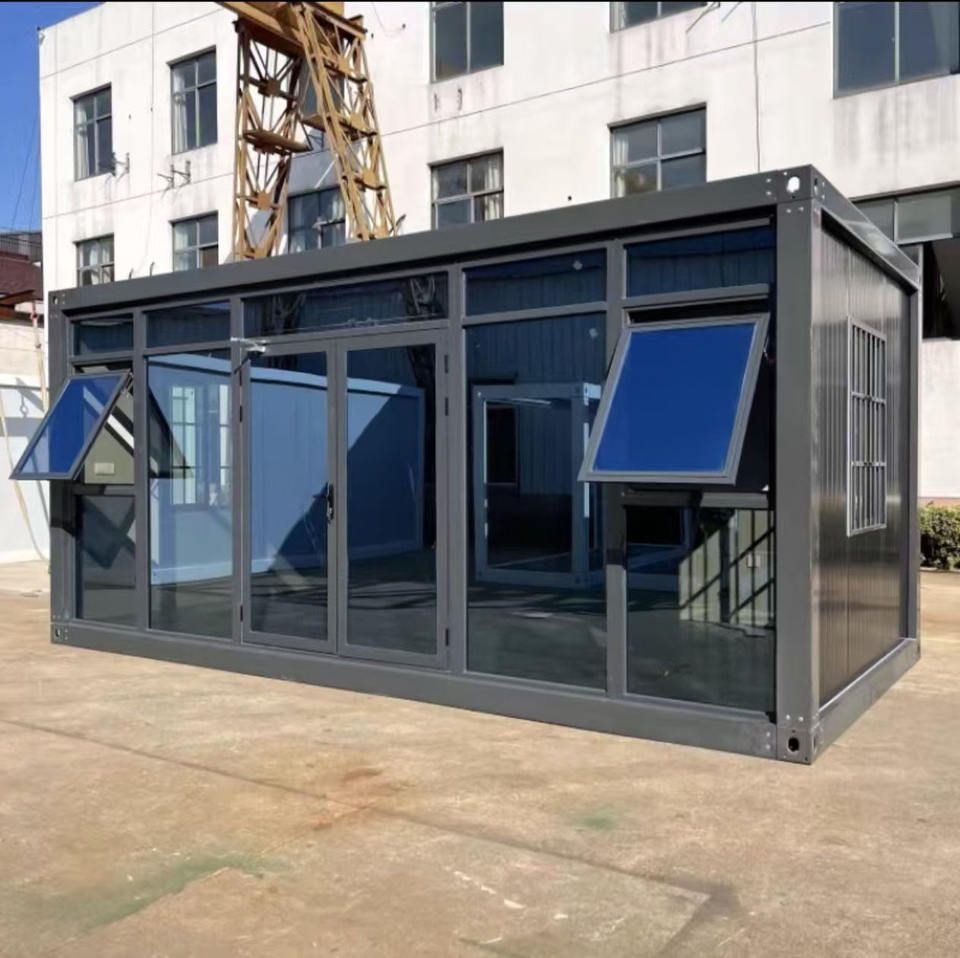
Functional Features
Mobile toilets adopt a modular design, with outstanding convenience and mobility. They do not rely on underground pipelines or fixed water sources and can be quickly deployed to different construction areas via transport vehicles. They are suitable for segmented construction projects or those with limited space and can be repositioned at any time according to the progress of the project. They also offer sanitation guarantees. Modern mobile toilets are usually equipped with sealed sewage storage devices, ventilation systems, and disinfection facilities, effectively reducing odor diffusion and bacterial growth. Some models even integrate hand-washing devices to meet basic sanitation needs. Additionally, they are highly adaptable to the environment. In response to common conditions on construction sites such as dust, high temperatures, and humidity, they often use corrosion-resistant and rust-proof materials. Their structural design emphasizes wind and rain resistance, ensuring normal operation in harsh weather conditions.
Diverse Types
Mobile toilets used on construction sites mainly include circulating water flushing types, waterless biodegradable types, vacuum suction types, and combined multifunctional toilets. Circulating water flushing types are suitable for construction sites with a stable water supply; waterless biodegradable types have advantages in water-scarce areas or projects with high environmental protection requirements; vacuum suction types have relatively high equipment costs and maintenance requirements; combined multifunctional toilets are more commonly seen in long-term large-scale construction projects.
Setup Requirements
Water flushing or mobile toilets should be set up on construction sites. For high-rise building construction sites, temporary toilets should be set up every four floors after exceeding eight floors. Toilet locations should be determined based on the personnel density and operational radius of the construction area. Generally, one independent toilet stall should be provided for every 50 - 80 workers. The placement locations should avoid material storage areas and large machinery access routes while ensuring adequate lighting and ventilation.
Environmental Advantages
Mobile toilets do not rely on the existing municipal drainage system. They use independent sewage storage devices to collect pollutants on-site, reducing secondary disturbances to the ground structure and lowering the risks of dust and earth exposure. Their sealed design blocks the spread of pollutants caused by rainwater runoff, protecting the water bodies and soil in the construction area. Some are equipped with biodegradation technology, which reduces the load of subsequent centralized treatment. New types of mobile toilets use technologies such as solar power, reducing the total water consumption and additional carbon emissions for construction. Moreover, their modular structure facilitates disassembly and transportation, enabling recycling and reducing construction waste.



