Connection Between Mobile Toilet and Water Tank
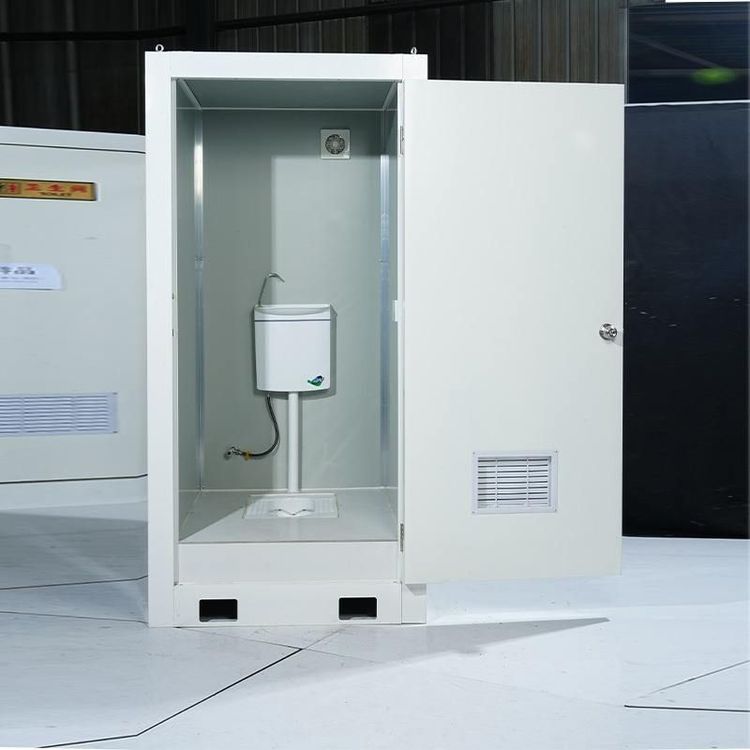
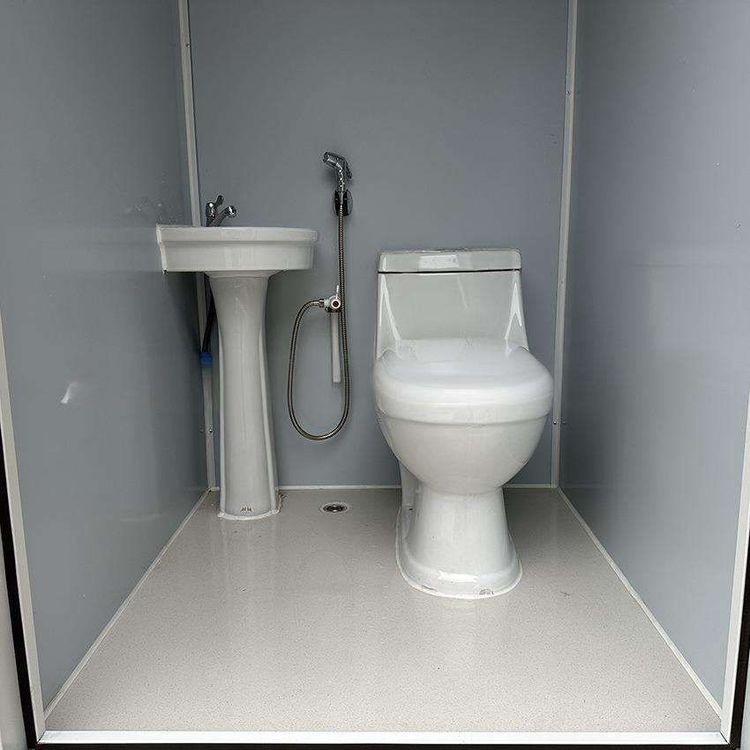
The connection between a mobile toilet and a water tank is mainly achieved through flexible对接 (connection) using hoses or three-way fittings, with core steps including water source connection, sealing and leak prevention, water volume adjustment, and scenario adaptation.

1. Water Source Connection Methods
The installation of an external water tank does not require a fixed position and can be flexibly placed according to the bathroom layout. Water source connections typically employ two methods:
- Direct Connection: If the water tank is used independently, a plastic hose can be used to directly connect the water tank's inlet to the water source faucet, ensuring a stable water supply.
- Diverted Water Source: If the faucet needs to serve daily water needs (such as a sink), a three-way fitting can be installed to allow the water tank and faucet to share the same water supply port. The three-way fitting should be made of pressure-resistant material to prevent leaks after long-term use.
2. Sealing and Leak Prevention Design
The connection between the water tank and the mobile toilet must be tightly sealed to prevent water leakage or odor diffusion during flushing:
- Flush Interface Sealing: The flush interface between the water tank and the squat toilet or toilet bowl must be connected using a dedicated sealing fitting (such as a rubber sealing ring) to ensure a seamless connection. The rubber ring should be regularly inspected to prevent aging and cracking.
- Drain Outlet Sealing: If the mobile toilet has a floor-mounted structure, the bottom drain outlet must be fixed to the pre-embedded drain pipe on the ground using a flange plate and sealant. The flange plate must match the diameter of the drain pipe, and the sealant must be applied evenly to form a waterproof layer after curing.
3. Water Volume Adjustment Function
Some external water tanks are designed with water volume adjustment devices, allowing users to adjust the flushing intensity according to actual needs:
- Mechanical Adjustment: The water inlet volume is controlled by rotating the float or valve inside the water tank, suitable for basic models.
- Electronic Adjustment: High-end models may be equipped with an electronic control panel, enabling precise setting of the single-flush water volume for water-saving purposes.
4. Scenario Adaptation and Installation Threshold
This connection method is suitable for the following scenarios:
- Temporary Venues: Such as construction sites, exhibitions, and outdoor events, where rapid deployment without permanent fixation is required.
- Rental Housing Renovation: Landlords or tenants can install it themselves without damaging the original building structure.
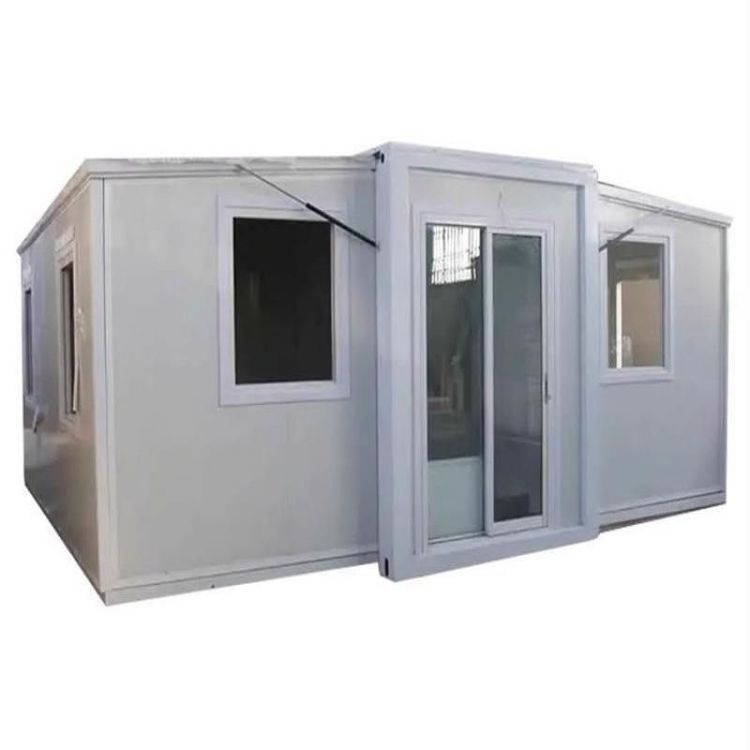
- Mobile Toilets: Such as vehicle-mounted toilets and container toilets, which require flexible adjustment of the water tank position.
The installation threshold is low, and ordinary users can complete the operation through video guidance without professional tools or skills.
Precautions: If the mobile toilet is a wall-mounted or high-end customized model, it may involve pre-embedded flushing pipes or hidden water tank structures, but such designs are more common in fixed buildings and less frequently used in mobile scenarios. Before installation, ensure that the water tank and toilet models are compatible to avoid water leakage or functional abnormalities due to size mismatches.