
Back to blog
Article
On-site Construction of Connected Mobile Toilets
Admin October 09, 2026
The on-site construction of connected mobile toilets mainly includes steps such as pre-installation preparation, on-site installation, and post-installation inspection. Additionally, relevant companies offer on-site construction services. Details are as follows:
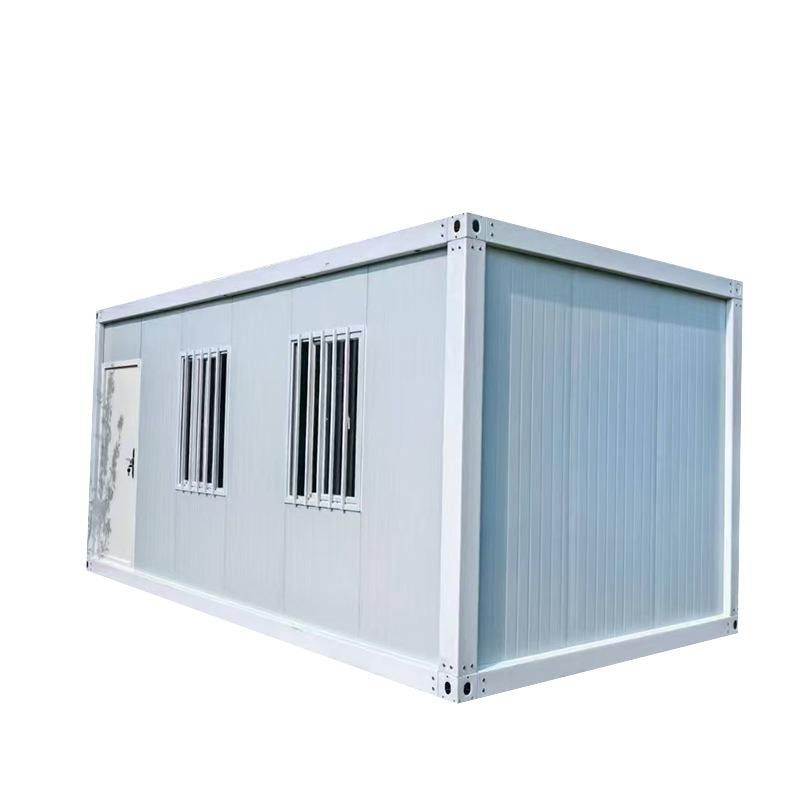
Pre-installation Preparation:
- Site Survey: This is the first step in the construction process. It is necessary to ensure that the installation site has a flat and solid ground that can bear the weight of the mobile toilet. At the same time, it should be kept away from the main construction roads and pollution sources to avoid affecting the normal use of the toilet and prevent adverse effects on the surrounding environment.
- Material Verification: Carefully check whether the box of the mobile toilet is intact without cracks or deformations. Also, verify that all accessories are complete, such as screws, nuts, and sealing gaskets, to ensure the smooth progress of subsequent installation work.
- Foundation Treatment: Clear ground debris according to the type of toilet and then lay a gravel or concrete foundation. A gravel foundation can increase the ground's friction and drainage, while a concrete foundation has better load-bearing capacity. Ensure that the load-bearing capacity of the foundation meets the usage requirements of the mobile toilet.
On-site Installation:
- Main Body Hoisting: Use a forklift or crane to steadily hoist the toilet main body to the designated position. During the hoisting process, keep the toilet main body level to avoid tilting, which could affect subsequent use and installation quality.
- Pipe Connection: Connect the sewage pipe to the construction site's drainage system or a temporary sump. Ensure that the connection is well-sealed to prevent leakage and avoid polluting the surrounding environment.
- Function Testing: Connect the water supply and test whether the flushing function works properly. Check if the drainage pipes are unobstructed. If problems such as weak flushing or poor drainage are found, make timely adjustments and repairs.
Post-installation Inspection:
- Internal Inspection: Check whether the internal facilities are secure, such as toilets, sinks, and handrails, to ensure safety during use.
- External Inspection: Check the box's tightness to prevent rainwater and dust from entering the toilet interior, affecting the user experience and the toilet's service life.
In addition, companies such as Suzhou Aoshang Public Facilities Co., Ltd. offer on-site construction services for connected mobile toilets. Their mobile toilets can either be manufactured in the factory and then transported to the site for installation or be directly constructed on-site.
Related



