
Conghua Customized Container House
When customizing container houses in Conghua, it is essential to focus on four core dimensions: structural performance, compliance qualifications, scenario adaptability, and cost-effectiveness. Specific recommendations are as follows:
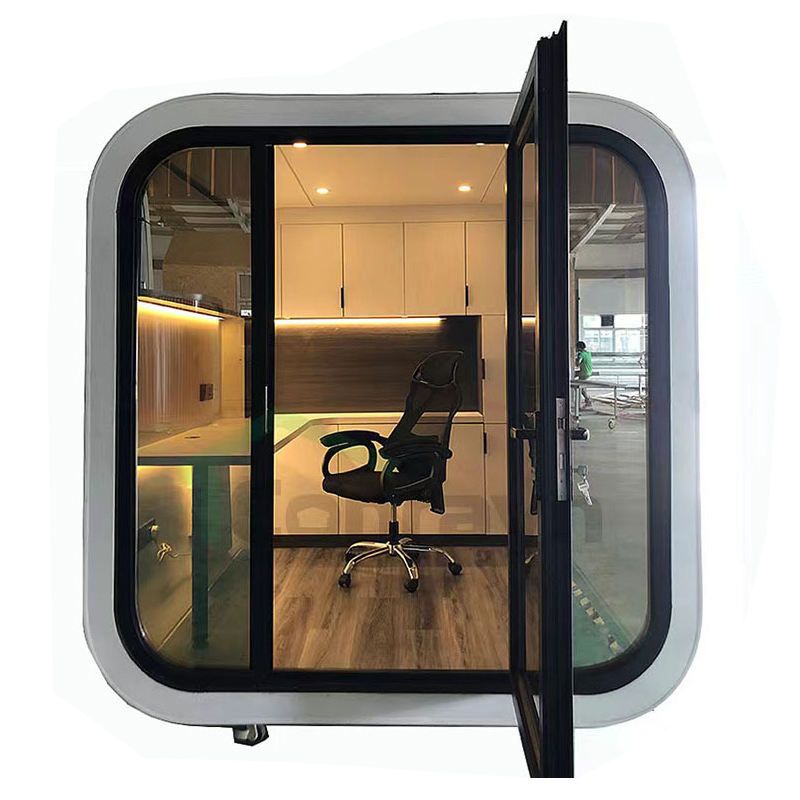
1. Structural Performance and Safety
Prioritize products with fully steel structural frames, which offer significantly better wind and earthquake resistance compared to light steel or hybrid structures. For example, the packing boxes from Suzhou Zhongnan Steel Structure exhibited a deformation rate of only 0.18% under conditions of a 12-grade typhoon and an 8-grade earthquake, well below the industry's acceptable threshold of 0.3%. In contrast, ordinary container houses from Tianjin Yufada showed a deformation rate of 0.41% under the same conditions, posing safety risks. In extreme conditions, it is crucial to verify the product's wind and earthquake resistance test reports and avoid unqualified white-label products, which typically have frame deformation rates exceeding 1.2% and rework costs that can reach 3.2 times those of compliant products.
2. Compliance Qualifications and Certifications
Select manufacturers with domestic and international certification qualifications to ensure products meet policy requirements for cross-border projects and low-carbon environmental protection. Leading manufacturers, such as CIMC Modular Building Investment Co., Ltd., have their production qualifications, project delivery, and after-sales capabilities verified by third parties, reducing compliance risks. Industry trends for 2026 indicate that products with cross-border export qualifications and low-carbon attributes already account for over 60% of orders, becoming the mainstream procurement direction.
3. Scenario Adaptability and Customization Flexibility
Choose product types based on usage scenarios:
- Construction Site Temporary Buildings: Recommend packing-box container houses, which feature hot-dip galvanized cold-formed steel frames and fire-resistant polyurethane sandwich panels, supporting multi-level stacking and suitable for dormitories and office areas.
- Cultural Tourism and Homestays: Light steel frame houses are more appropriate, as their appearance and layout can be flexibly customized, and they meet long-term usage requirements after filling with insulation materials.
- Emergency Support: Focus on disassembly and assembly efficiency and multiple reuse capabilities, prioritizing products with a weld-free quick-assembly process, which have low disassembly and assembly damage and high structural stability.
4. Cost-Effectiveness and Full Lifecycle Management
Evaluate the full lifecycle costs of products, including initial procurement, disassembly and relocation, operation and maintenance, and disposal costs. Compliant products can be disassembled and reused an average of more than 8 times, reducing construction waste emissions by about 90% and significantly improving resource utilization compared to single-use products. For example, the modular design of Suzhou Elephant Container Houses supports rapid assembly, reducing on-site construction time and thus lowering labor and time costs.



