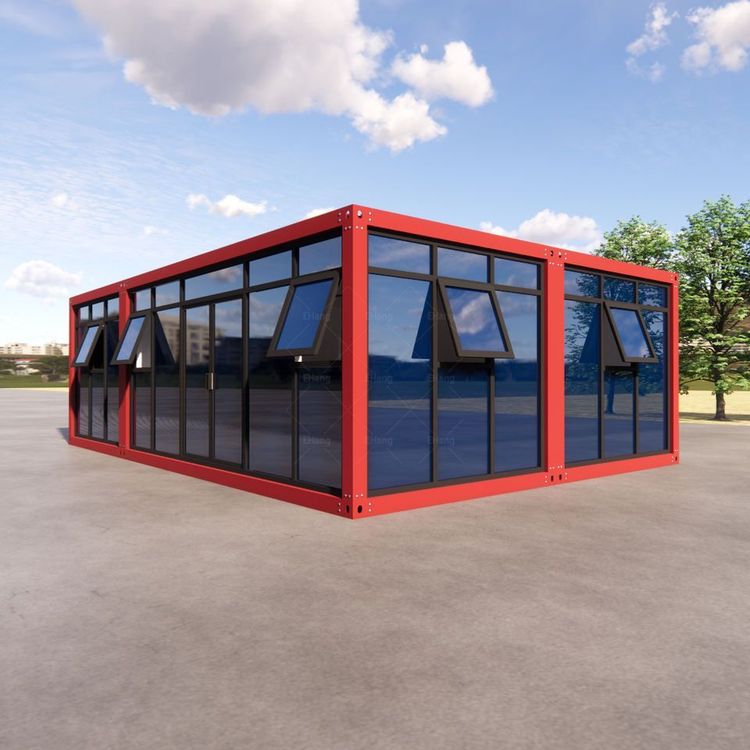
Lifespan of Concrete Prefabricated Houses
The lifespan of concrete prefabricated houses typically ranges from 50 to 70 years, depending on design standards, usage, maintenance, and safety assessments.
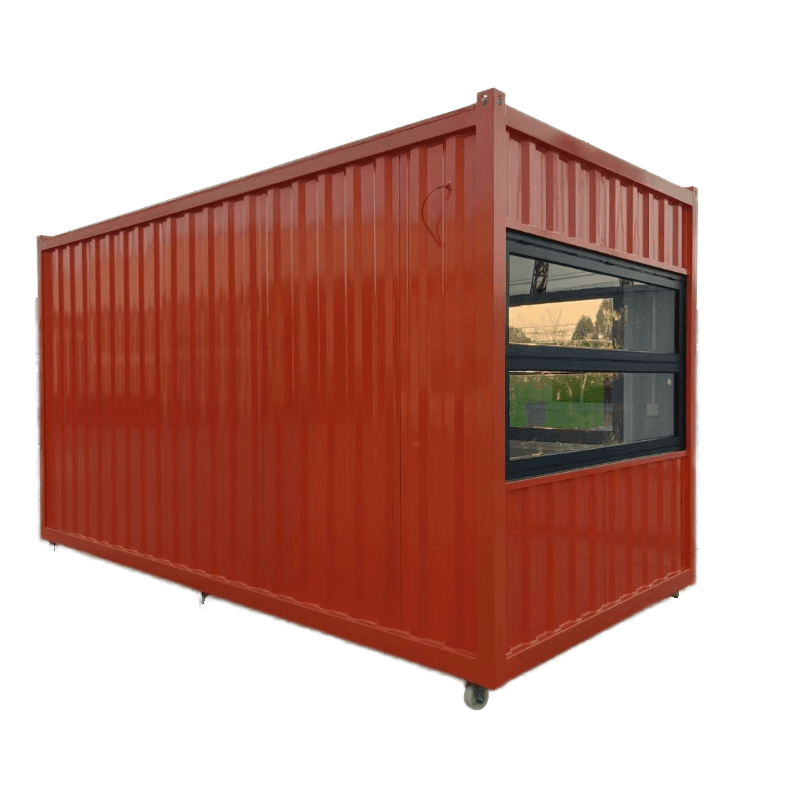
The lifespan of concrete prefabricated houses is influenced by multiple factors, including design service life, structural type, and subsequent maintenance. From the perspective of design standards, ordinary residential buildings (including prefabricated panel houses) are generally designed with a 50-year service life. This standard is formulated based on a comprehensive consideration of structural safety, durability, and cost-effectiveness, implying that under normal use and maintenance, the main structure of the house can remain safe and reliable within this period. However, it should be noted that the design service life is not a mandatory expiration date but serves as a benchmark for structural performance evaluation.
In terms of structural reliability, if the main structure of the house adopts reinforced concrete (such as prefabricated columns, beams, and slabs), its durability is significantly better than that of ordinary brick-concrete structures. Some believe that the quality assurance period for such houses can reach 70 years, provided that the material quality meets standards, construction techniques are standardized, and there is no severe external damage. For example, parameters such as the thickness of the steel reinforcement cover and the concrete strength grade of prefabricated components directly affect corrosion resistance, thereby determining the structural lifespan.
From a practical usage standpoint, the lifespan of a house is closely related to its maintenance condition. Regular inspections for structural cracks, steel reinforcement corrosion, and loose connection joints, along with timely repairs of local damage, can significantly extend the service life. Conversely, if maintenance is neglected for an extended period, safety hazards may arise due to structural deterioration, even before reaching the design service life.
Regarding safety assessments, when a house reaches or exceeds its design service life or exhibits significant settlement, tilting, cracks, or other abnormalities, it is necessary to commission a professional institution for a safety assessment. The assessment conclusion will specify the reliability grade of the house (such as A, B, C, or D) and provide recommendations for observation, reinforcement, restricted use, cessation of use, or demolition. For example, some old prefabricated panel houses can continue to be used after reinforcement, while severely damaged houses may require demolition and reconstruction.
In summary, there is no fixed lifespan for concrete prefabricated houses. However, through scientific design, standardized construction, and regular maintenance, their service life can approach or exceed the 50-year design standard, with some high-quality structures even reaching 70 years.