
Installation of Concrete Prefabricated Houses
The installation of concrete prefabricated houses is an efficient construction method that involves industrial production of building components and on-site assembly.
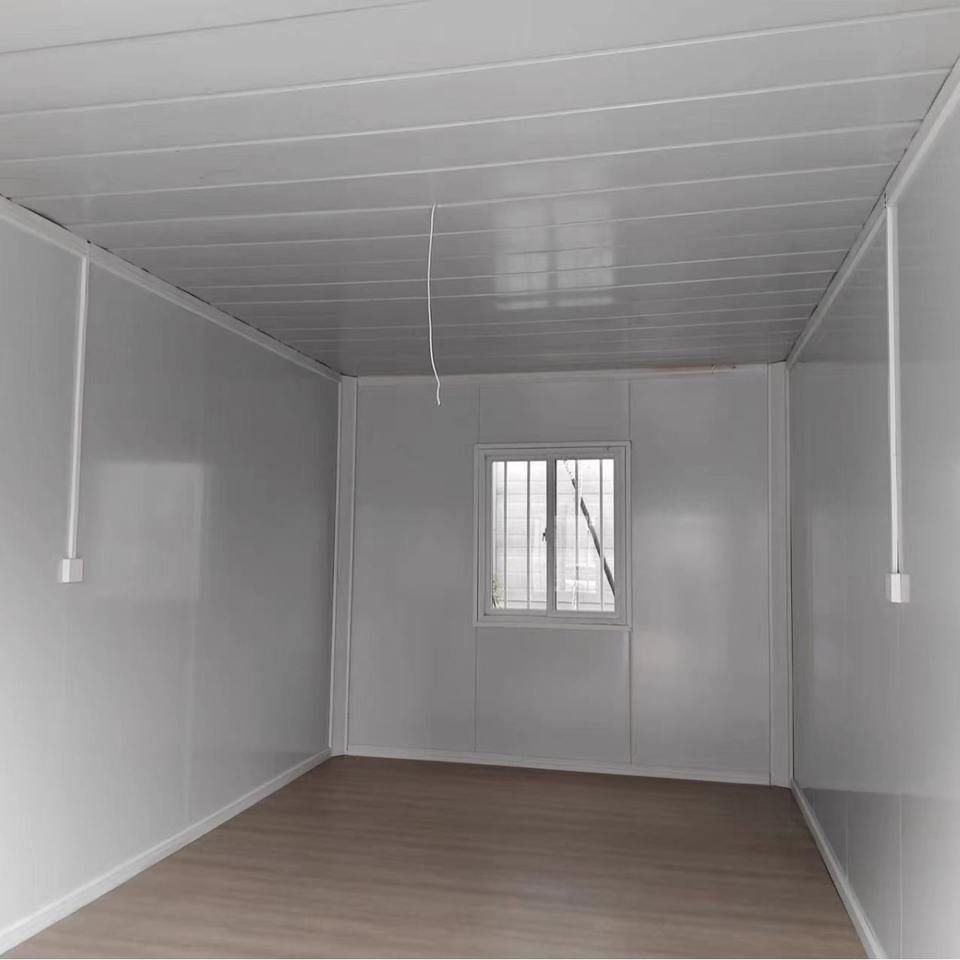
I. Installation Process
The installation process of concrete prefabricated houses is similar to 'building with blocks', with core steps including component production, transportation, and on-site assembly. First, the house is divided into standardized components such as wall panels, floor slabs, stairs, balconies, and beams and columns. These components are manufactured in factories through precise calculations and mold forming to ensure dimensional accuracy and quality stability. Subsequently, the components are transported to the construction site and positioned and installed using lifting equipment such as cranes. Taking the cement 'prefabricated houses' in Henan as an example, with the assistance of a crane, several workers can complete the assembly of a house within a few hours, significantly shortening the traditional construction cycle.
II. Technical Characteristics
The installation of prefabricated houses relies on the combination of industrial production and mechanized construction. Factory-based production adopts standardized processes, reducing on-site wet operations (such as concrete pouring) and minimizing human errors. On-site assembly achieves rapid connection of components through equipment such as cranes, typically using bolt fixation or concrete cast-in-place nodes to enhance the overall structural integrity. This construction method not only retains the robustness of reinforced concrete structures (with a main structural lifespan of up to 70 years) but also enhances construction flexibility through modular design.
III. Core Advantages
- Efficiency and Cost: The Henan case shows that lifting a 200-square-meter house takes only 4 hours, with a construction cost of approximately 300 yuan per square meter and a total rough construction cost of about 60,000 yuan, significantly lower than traditional construction.
- Environmental Protection and Energy Efficiency: Factory production reduces on-site dust and noise pollution, and components can be recycled, meeting green building standards.
- Quality Control: The factory environment ensures proper concrete curing conditions, avoiding quality fluctuations caused by weather and other factors during on-site construction.
- Wide Applicability: Suitable for various scenarios such as residential buildings, dormitories, and office buildings, especially for post-disaster reconstruction or temporary housing needs.
IV. Application Scenarios
The flexibility of prefabricated houses makes them outstanding in rapid construction fields. For example, in Henan, through standardized design, rural housing needs can be quickly met; in emergency scenarios, prefabricated components can be pre-stocked and rapidly assembled into temporary shelters after disasters. Additionally, their reusability reduces long-term operational costs, providing new ideas for low-cost housing solutions.



