
Concrete Prefabricated House
Concrete prefabricated houses are a type of pre-cast housing, referring to a building form where building components are industrially produced and assembled on-site.
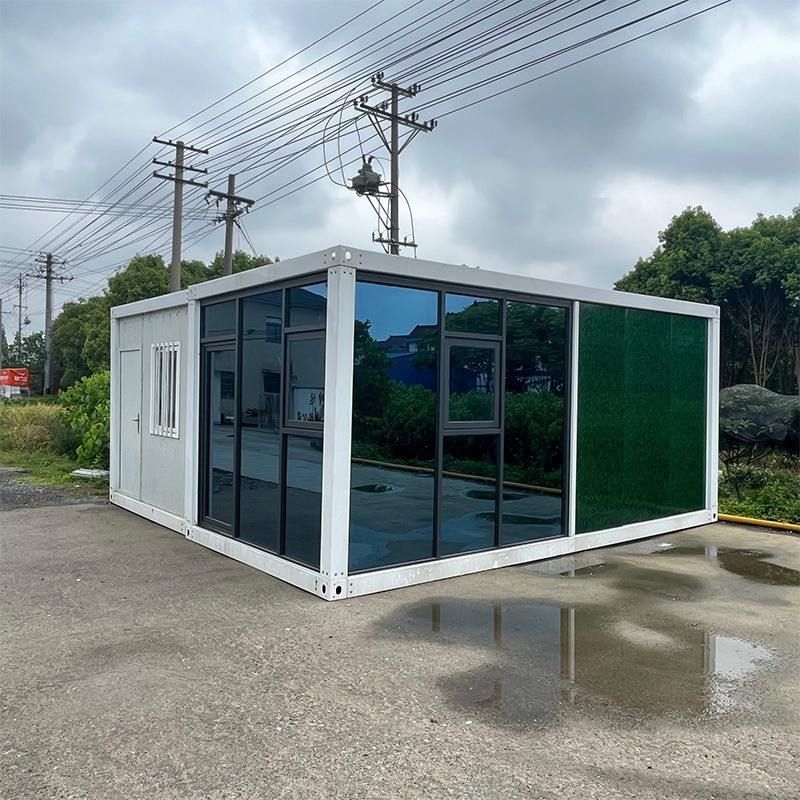
I. Technical Types and Components
The technology of concrete prefabricated houses covers prefabricated concrete structures and steel structures. Its core components include prefabricated products such as beams, slabs, walls, and columns. These components are designed in a standardized manner and produced in factories, then transported to construction sites for assembly to form a complete building structure. For example, the Nanjing Jindi Yufang project adopted a prestressed prefabricated concrete assembled integral frame structure system, demonstrating the application of prefabricated components in complex structures.
II. Development History
China's prefabricated concrete technology began in the 1950s and was initially mainly used for factory and residential construction. After the 21st century, with improved production efficiency and increased environmental protection demands, this technology regained attention. Companies like Vanke Group developed prefabricated shear wall residential structural systems and applied prefabricated frame technology in projects, driving technological upgrades in the industry.
III. Characteristics of Modular Buildings
Modular buildings represent a more integrated model within concrete prefabricated houses, characterized by breaking down buildings into independent modules (such as ceilings, floors, and plumbing and electrical systems), which are fully manufactured in factories and then transported to sites for assembly. Compared to traditional construction methods, modular buildings offer the following advantages:
- Short construction period: On-site work time is significantly reduced, improving construction efficiency;
- Controllable quality: Factory production reduces human errors, ensuring more stable quality;
- Energy-saving and environmentally friendly: Reduces construction waste and dust pollution, meeting green building standards;
- Easy maintenance: Modular design facilitates later maintenance and renovation.
However, this model places extremely high demands on industrial foundations, requiring the coordinated support of technological systems, production systems, and industrial clusters.
IV. Pricing and Market
The prices of concrete prefabricated houses vary depending on the manufacturer and specifications. For example, the steel-framed concrete lightweight floor slabs from Zhuozhou Penglei Trading Co., Ltd. are priced at 480 yuan per piece, while the combined modular houses from Zhuozhou Yuezhuo Building Materials Business Department are priced at 450 yuan per piece. Additionally, Chinese-made prefabricated houses have performed outstandingly in the international market. In the first four months of 2026, the export of movable houses from the Guangzhou Customs area reached 1.4 billion yuan, a year-on-year increase of 38.1%, demonstrating their global competitiveness.



