Concrete Prefabricated House
A concrete prefabricated house, also known as a prefabricated concrete house, is a type of prefabricated building (prefabricated assembled building). It is produced industrially with components and assembled on-site, offering advantages such as short construction periods and low pollution.
Definition and Structural Characteristics
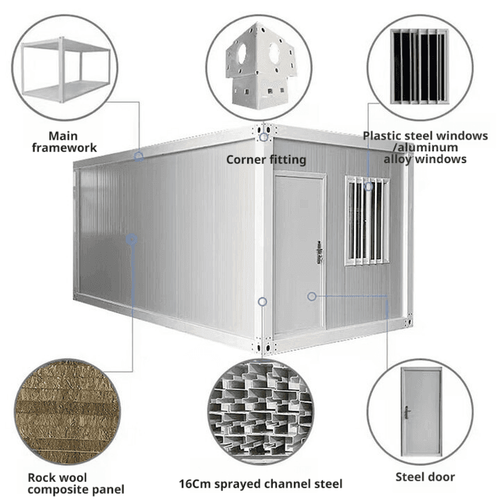
A concrete prefabricated house centers on prefabricated concrete components, including main structural elements like beams, slabs, walls, and columns. These are assembled on-site using assembled concrete technology. Its industrial production model ensures component precision and quality while reducing on-site wet operations, placing it firmly within the realm of typical prefabricated assembled buildings. Component materials include cement, concrete, color-coated steel, etc., and can be customized according to needs. They are suitable for scenarios such as residential houses and homestays, with load-bearing specifications ranging from 500kg to 1800kg to meet different functional requirements.
Core Advantages
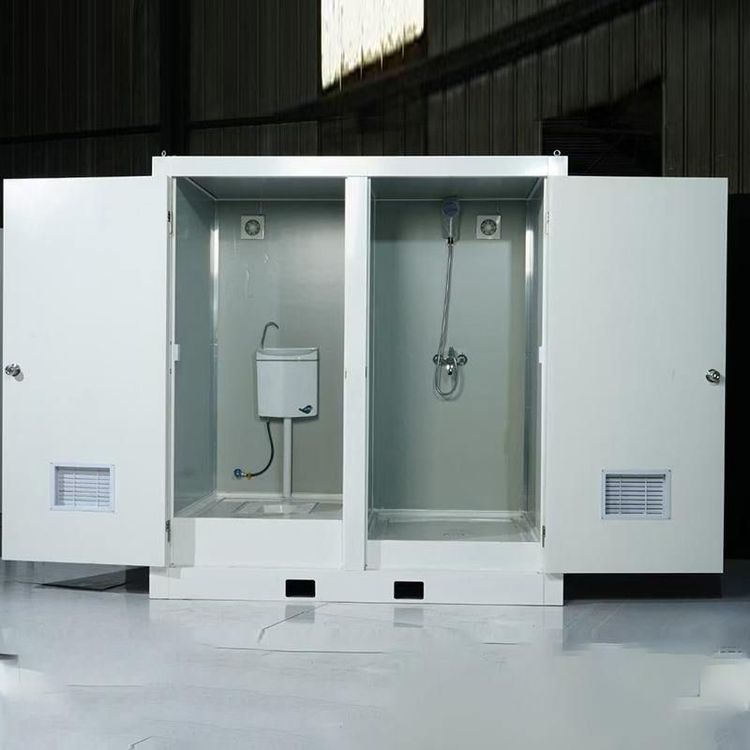
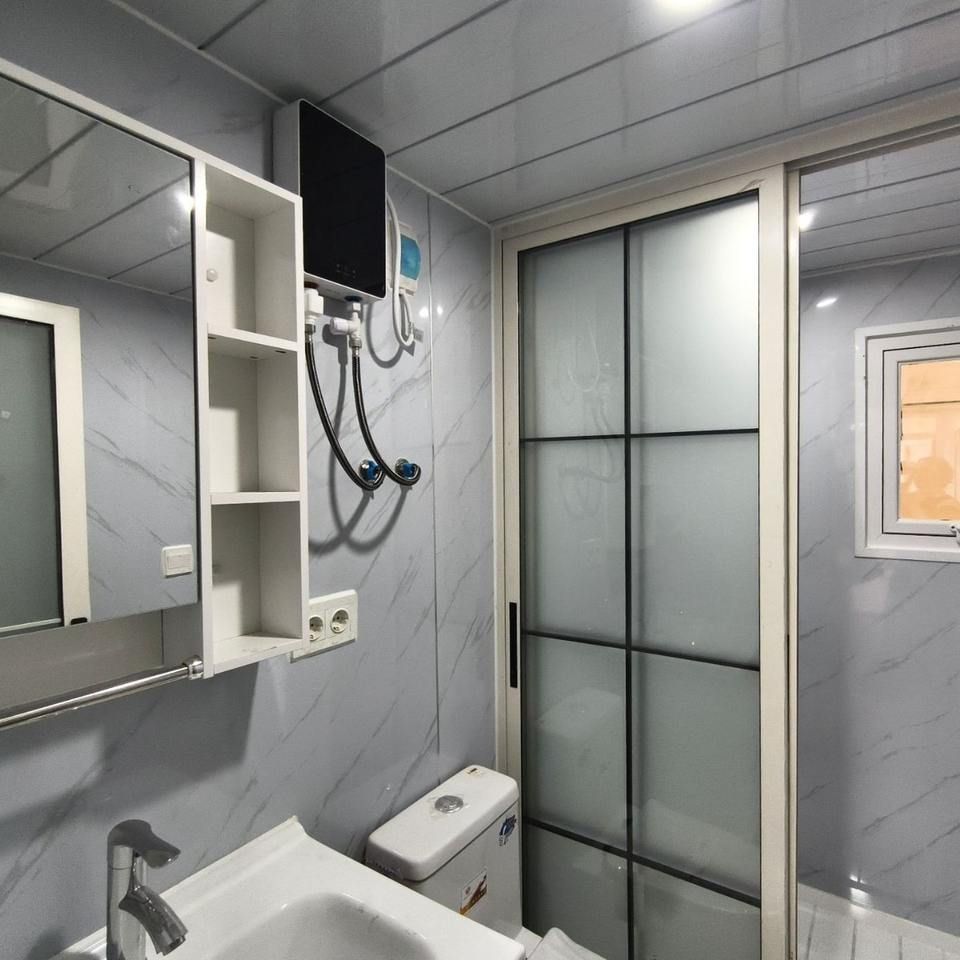
- Construction Period and Environmental Protection: Industrial production shortens the on-site construction period and reduces pollution such as dust and noise, aligning with green building trends. For example, it is highly popular in European and American markets due to its cost-effectiveness. A set of prefabricated houses can be delivered to your doorstep for '200,000 RMB', with internal pipelines and functional divisions (bedrooms, kitchens, bathrooms) pre-arranged for immediate use upon delivery.
- Economy: Mass production reduces unit costs, and combined with efficient transportation and installation, the overall cost is lower than that of traditional buildings. In the first quarter of 2026, China's prefabricated building exports grew by 45%, and Guangdong Customs saw a staggering 38.1% year-on-year increase in export value in the first four months, confirming market recognition.
Technological Development and Application
China's prefabricated concrete technology originated in the 1950s, initially used for factory and residential construction. It experienced a resurgence in the 21st century due to production efficiency and environmental protection demands. Companies like Vanke have developed assembled shear wall residential structural systems, integrating prefabricated frame technology (such as the prestressed prefabricated concrete assembled integral frame structure used in the Nanjing Jindi Yufang project) to drive technological iteration. Currently, prefabricated components have achieved standardized design, factory production, and assembled construction, forming a full industrial chain covering design, production, transportation, and installation.
Market and Trends
Globally, prefabricated concrete houses continue to expand due to their cost-effectiveness, especially in regions with high labor costs or strict environmental requirements (such as Europe and America). Leveraging its complete industrial chain and cost advantages, China has become a major global exporter. In the future, with technological standardization and policy support (such as the 'dual carbon' goals), the market penetration rate of prefabricated buildings is expected to further increase.