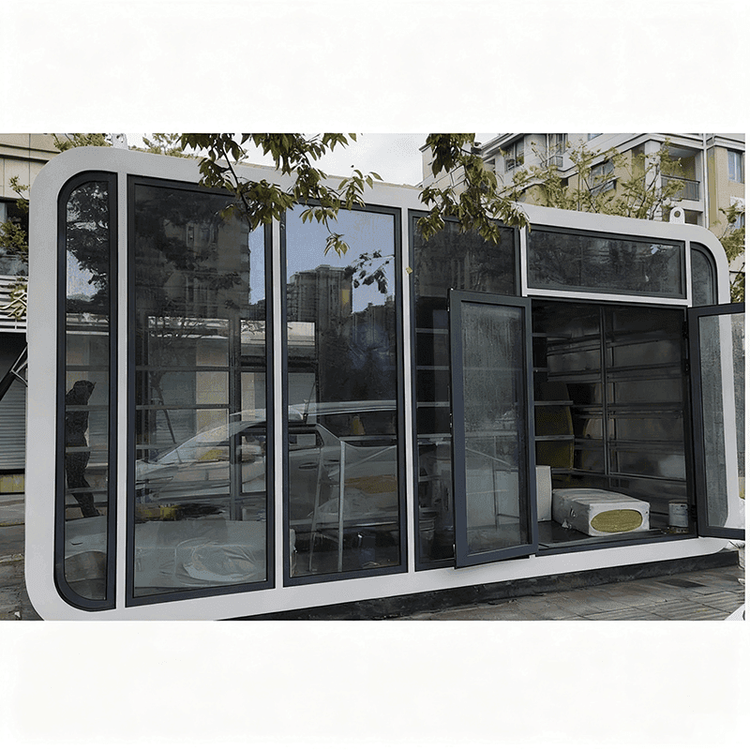
Cleaning of Mobile Toilets at Concerts
The cleaning of mobile toilets at concerts requires scientific planning and efficient execution, which can be divided into four aspects: cleaning area division, frequency adjustment, key execution points, and supervision and collaboration.

I. Cleaning Area Division and Standards
Plan the cleaning scope by functional zones: Set up a 3-meter radius cleaning circle centered around the mobile toilets, covering the entrance steps, handwashing sinks, and surrounding floors to ensure no water accumulation or stains. The dining area should have a separate 10m x 10m cleaning unit, covering food stalls, tables, and trash bins. For crowd density management, establish a cleaning point every 50 meters in core activity areas (such as around the stage and main aisles); divide the audience seating and rest areas into responsibility zones every 200 square meters; and focus on cleaning corners where trash tends to accumulate in the outer evacuation corridors.
II. Cleaning Frequency and Dynamic Adjustment
Before the performance, complete the first round of deep cleaning 2 hours in advance, checking the flushing system and stocking up on toilet paper and cleaning supplies. During the performance, conduct inspections every hour, and increase the number of cleaning staff by 2-3 during intermissions or peak times for focused maintenance, cleaning the toilets on average every 10 minutes and replenishing toilet paper and hand soap promptly. After the performance, complete the full venue cleanup within 3 hours after the audience disperses, tally the amount of trash, and review and optimize the plan. For example, before the Zhou Jielun concert in Wuhan, sanitation workers adjusted equipment and restocked toilet paper; during the performance, they cleaned the toilets every 10 minutes to ensure hygiene quality.
III. Key Cleaning Execution Points
Daily maintenance requires at least two cleanings per day, with regular checks on the water and electricity systems and flushing equipment to prevent malfunctions; on rainy days, promptly clear water accumulation around the toilets to avoid slippery floors. For detail handling, wipe stains off the floor, mop up water, ensure the stall doors can lock properly, and protect user privacy. For example, at the Wuhan concert, sanitation worker Wang Xia repeatedly checked the facilities, saying, 'Fans have come a long way; we can't let environmental issues affect their mood.'
IV. Supervision and Collaboration Mechanism
For responsibility assignment, clearly designate a responsible person for each cleaning area, post zone diagrams and contact numbers; set up temporary trash transfer stations and arrange for dedicated personnel to guide trash disposal. For multi-department collaboration, such as at the Wuhan concert, the urban management department dispatched an additional 20 cleaning staff for road sweeping, while law enforcement officers simultaneously answered fans' questions about directions and ticket purchases, enhancing the overall experience.