
Portable Toilets at Concert Entrances
The arrangement and management of portable toilets at concert entrances require comprehensive consideration of factors such as location selection, cleaning and maintenance, safety and privacy, and guiding signs to ensure convenient, hygienic, and safe use for the audience.
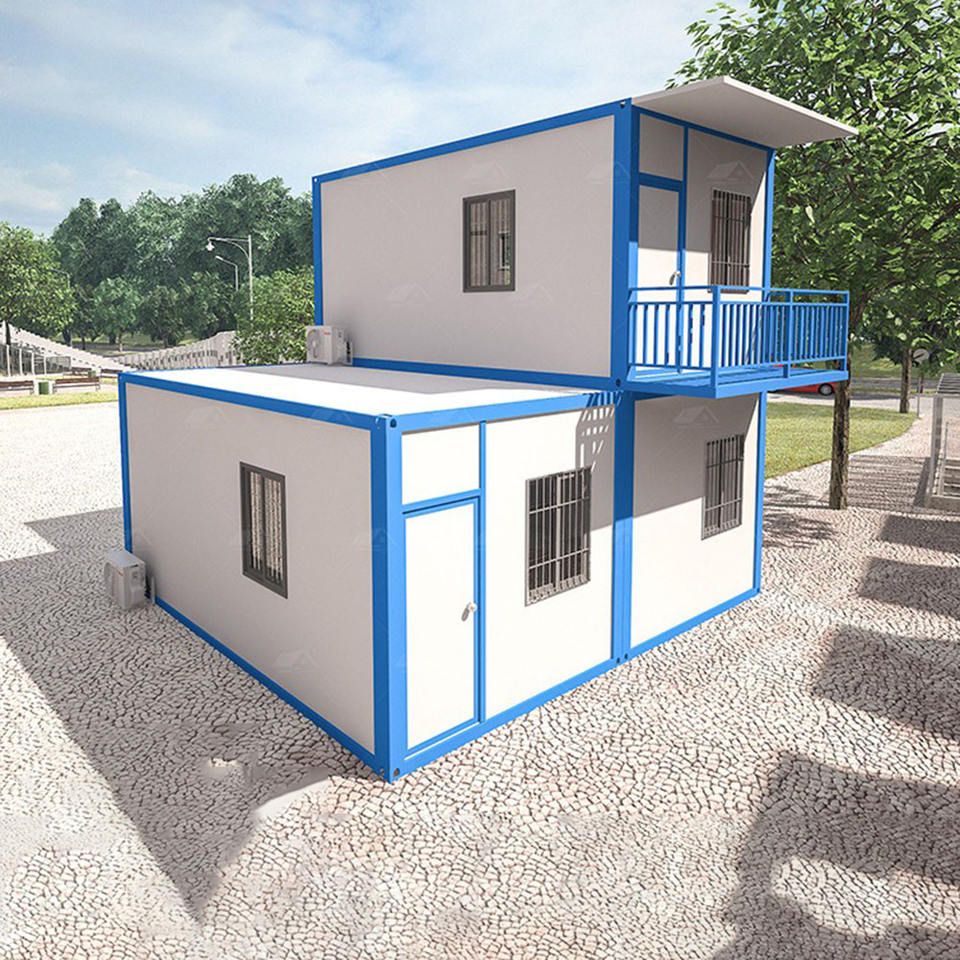
In terms of location selection, portable toilets should be placed near areas where the audience gathers, such as near the stands and entrances/exits, for easy and quick access. However, the location should avoid evacuation routes and fire exits to ensure rapid evacuation in emergencies. Additionally, they should be kept away from stages and sound equipment to minimize noise and odor interference with the audience and the performance.
Cleaning and maintenance are crucial for ensuring the hygiene of portable toilets. Given the dusty and insect-prone outdoor environment, they should be cleaned at least twice a day, with timely replacement of consumables such as toilet paper and hand soap. Regular inspections of the water and electricity systems and flushing equipment should be conducted to ensure proper functioning and avoid inconvenience or hygiene issues due to equipment failures.
Safety and privacy are equally important. The toilet structure must be sturdy enough to withstand the pressure of foot traffic and outdoor environmental impacts. Clear guiding signs should be set up to help the audience locate the toilets easily. The doors of the toilet stalls should lock properly to protect user privacy. Furthermore, the needs of special groups, such as providing barrier-free facilities for the disabled and families with infants, should be considered to demonstrate humanistic care.
The design and placement of guiding signs directly affect the audience's experience. A three-tier guiding chain can be established, with guiding signs set up at the main entrance, around the venue, and in the audience rest areas. Large spray-painted signs should be used at the main entrance to indicate directions and distances; road signs should be placed every 200 meters along the roads around the venue; and fluorescent floor stickers should be used in the rest areas for additional guidance. The design of the signs should consider different audience perspectives, such as using blue and white arrows for ground-level views, hanging banners or three-dimensional signs for elevated views, and installing LED lights or reflective signs for nighttime views. Adjustments should be made dynamically based on crowd density, with temporary guiding signs added in peak areas and electronic displays at toilet entrances showing real-time queue numbers. Exclusive guiding signs for special groups should be larger in size, clearer in font, and accompanied by barrier-free wheelchair icons. Additionally, dedicated personnel should be arranged to inspect the signs every two hours for any tilting or fading, with spare signboards prepared for emergencies, and "temporary guides" stationed around the toilets with handheld signs to direct the audience.



