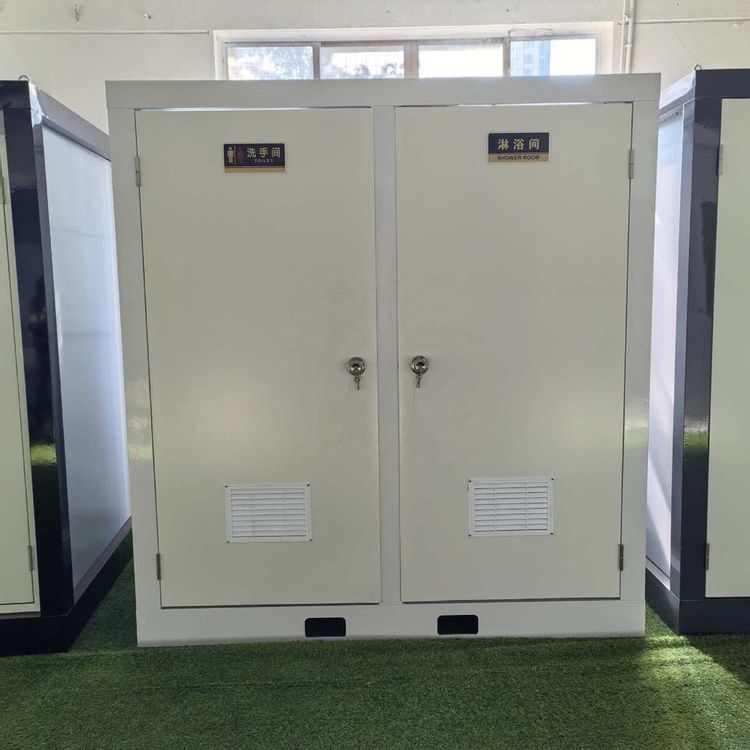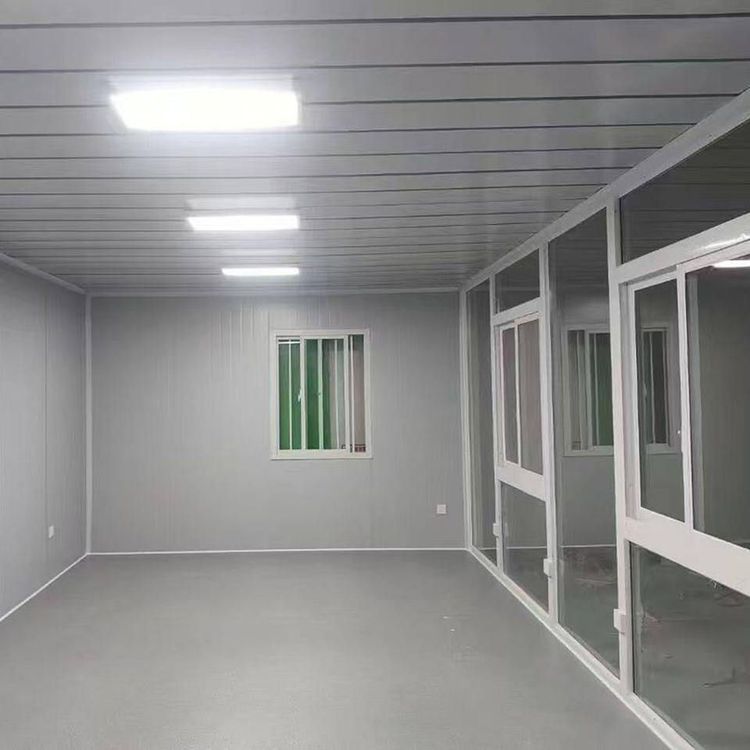
Composite Structure Mobile Toilet Installation
The installation process of composite structure mobile toilets should follow the principles of modularization and integration, with the specific steps outlined as follows:
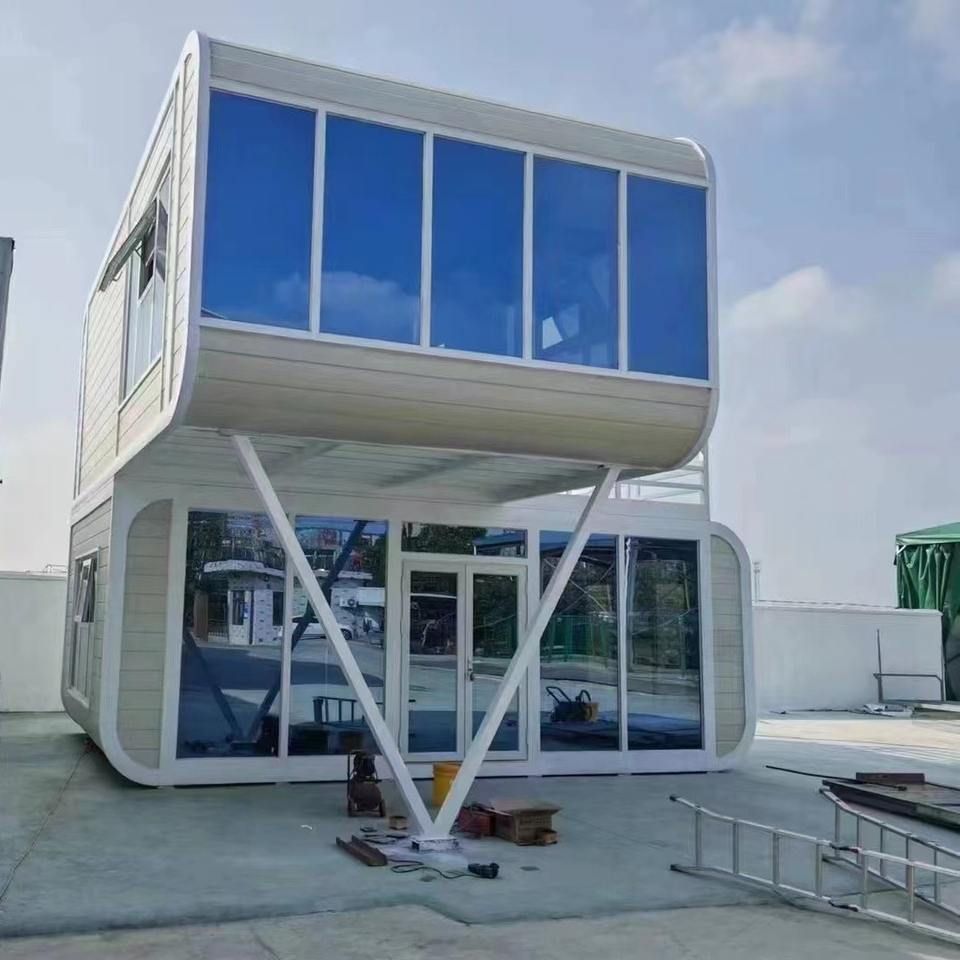
Site Assessment
Before installation, a comprehensive assessment of the site is required, focusing on checking the terrain flatness, soil bearing capacity, and the distribution of underground pipelines. If the ground is soft or sloped, it may lead to structural instability, necessitating compaction or leveling in advance. Simultaneously, professional detection equipment should be used to identify the locations of underground cables, water pipes, or gas pipelines to avoid damaging them during construction and causing safety hazards.Foundation Treatment
Select the foundation type based on site conditions:
- Concrete Prefabricated Base: Suitable for scenarios with poor geological conditions or requiring long-term fixation. Concrete needs to be poured on-site and cured to the design strength (usually 7-14 days) to ensure the base is level and meets the bearing capacity requirements.
- Steel Chassis: Suitable for scenarios with stable geology and requiring rapid installation. Place it directly on a flat ground and secure it with anchor bolts. Use a level to calibrate the chassis's levelness to prevent subsequent structural tilting.
Main Structure Hoisting and Positioning
The factory-prefabricated boxes are transported to the site using hoisting equipment. During hoisting, balance must be maintained to avoid collisions that could cause structural deformation. After the boxes are in place, use a level to adjust them and firmly connect them to the foundation through welding or bolts to ensure structural stability. Some products adopt a "building block"-style assembly design, which is quickly fixed with clips or bolts, further simplifying the installation process.Functional System Connection
- Water Supply System: Connect to an external water source and install valves and anti-freeze devices (especially important in northern regions) to ensure normal operation in winter.
- Sewage System: Choose to connect to the municipal sewage network or configure an integrated septic tank/packing collection device based on the environment. In areas without a sewage network, regular cleaning of the septic tank or replacement of packing bags is required.
- Power System: Connect to municipal power supply or configure solar photovoltaic panels. Install leakage protection devices and ensure the electrical wiring meets insulation standards.
- Commissioning and Inspection
After installation is complete, a comprehensive test is required:
- Check whether equipment such as flush valves, lights, and exhaust fans are operating normally;
- Recheck whether the structural connections are firm and whether the electrical wiring insulation and waterproof sealing meet standards;
- After confirmation, fill out an acceptance report before putting it into use.
This installation method significantly shortens the construction period and reduces environmental interference by prefabricating main components in the factory and connecting them on-site, making it suitable for temporary or semi-permanent needs in scenic spots, construction sites, etc.