Back to blog
Article
Production of Mobile Toilets Made of Composite Boards
Admin October 19, 2026
The production of mobile toilets made of composite boards requires a combination of material properties and structural design. Here are the key points:

1. Material Selection and Property Matching
- Polyimide Composite Board: As the core material, it has the properties of withstanding extreme temperatures from -269°C to 600°C, being resistant to ultraviolet rays, acid-base salt spray, fire, water, and moisture. It is suitable for harsh environments such as extreme cold, heat, and coastal areas with high corrosion. Its density is only one-fourth that of steel, but its strength far exceeds that of traditional building materials. It can achieve a balance between lightweight (total weight < 8 tons, more than 50% lighter than traditional metal toilets) and high load-bearing capacity, facilitating transportation and multiple relocations.
- Environmentally Friendly Aluminum Plate: As an auxiliary material, when combined with polyimide composite boards, it enhances the structural plasticity and facilitates molding and processing. The aluminum plate has excellent weathering resistance. After 1000 hours of weathering tests, it has a service life of up to 30 years in outdoor environments, reducing long-term maintenance costs.
2. Structural Design Standards
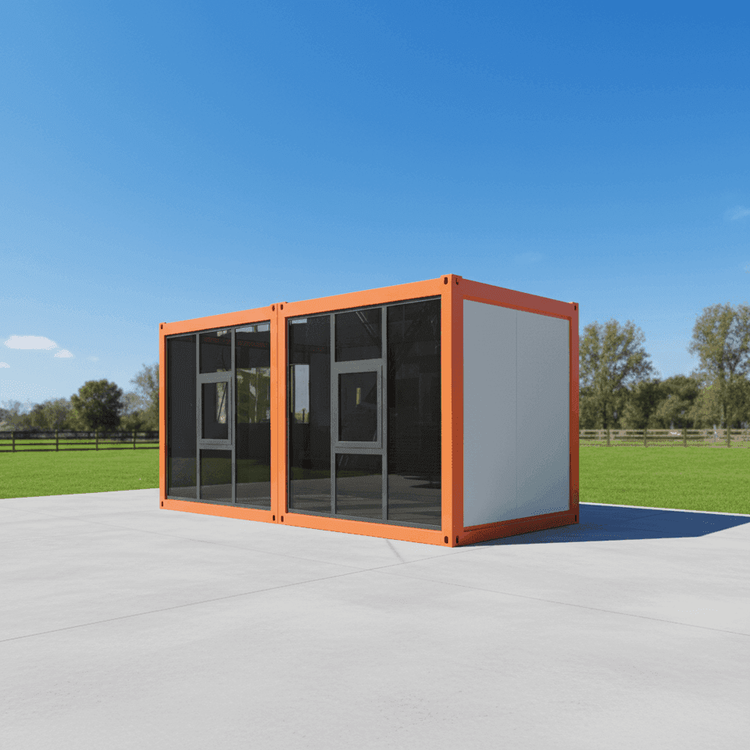
- Dimensions: The standard single-toilet design is 8.9 meters long, 3.7 meters wide, and 3.3 meters high, covering an area of about 33 square meters with a total space of about 108 cubic meters. This size balances functionality and mobility, and the modular combination can be adjusted according to actual needs (such as adding a shower room or a management room).
- Modular Assembly: An assembled structure is adopted, with components connected through standardized interfaces, reducing on-site construction time. For example, walls, roofs, and floors can be pre-processed in the factory, and only need to be assembled and fixed on-site, shortening the construction period and reducing the impact on the environment.
3. Functional Integration and Environmental Requirements
- Smart System Integration: It can be equipped with intelligent ventilation, lighting, and temperature and humidity regulation systems, using the temperature resistance of polyimide materials to ensure stable equipment operation. For example, in extreme temperature environments, sensors can automatically adjust the internal environment to enhance the user experience.
- Environmental Protection Treatment Technology: Combined with water-saving flushing devices or water-free packaging technology, it reduces water consumption. If used in construction sites and other scenarios, it can integrate septic tanks or biodegradation systems to achieve harmless treatment of feces, meeting environmental protection standards.
4. Cost and Customization Options
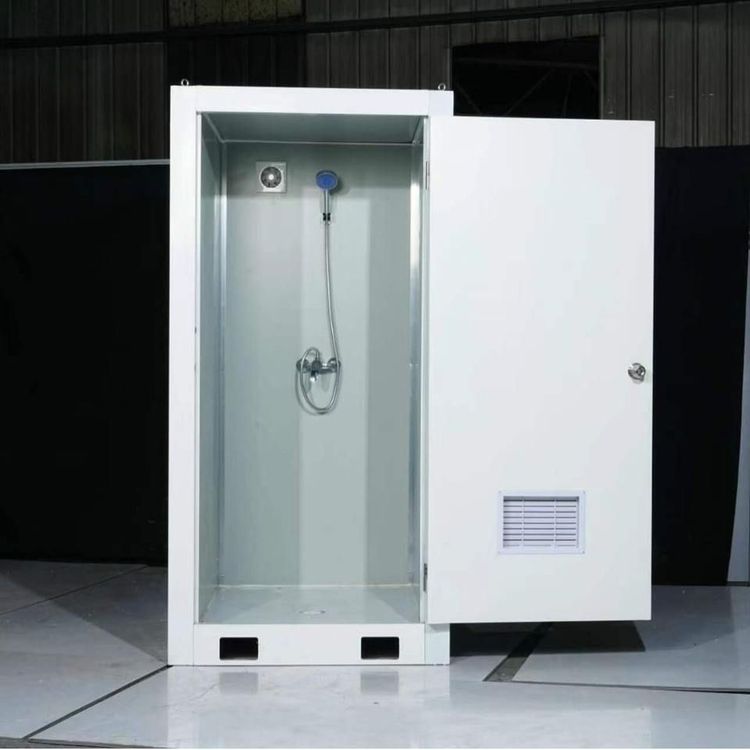
- Economical Option: For example, the Xuzhou Yishun Color Steel Composite Board Mobile Toilet is priced between ¥1486.00 and ¥1586.00. It is suitable for simple shower rooms or temporary toilets on construction sites, but its material durability and functional integration may be lower than those of the polyimide option.
- High-end Customization Option: Smart toilets made of polyimide composite boards have higher initial costs but lower long-term maintenance costs. They also support personalized designs (such as corporate logos and barrier-free facilities) and are suitable for high-traffic scenarios such as scenic spots and commercial areas.
Summary: The production of mobile toilets made of composite boards should prioritize the selection of weather-resistant, lightweight, and high-strength materials, combined with modular design and environmental protection technology, to balance functionality and economy. Choosing standard specifications or customized options according to the usage scenario can significantly improve the applicability and lifespan of the product.
Related