
Comparison of Prefabricated Houses in China and Japan
Currently, there is a lack of comprehensive and direct comparison between prefabricated houses in China and Japan, but a partial analysis can be conducted based on their respective characteristics.
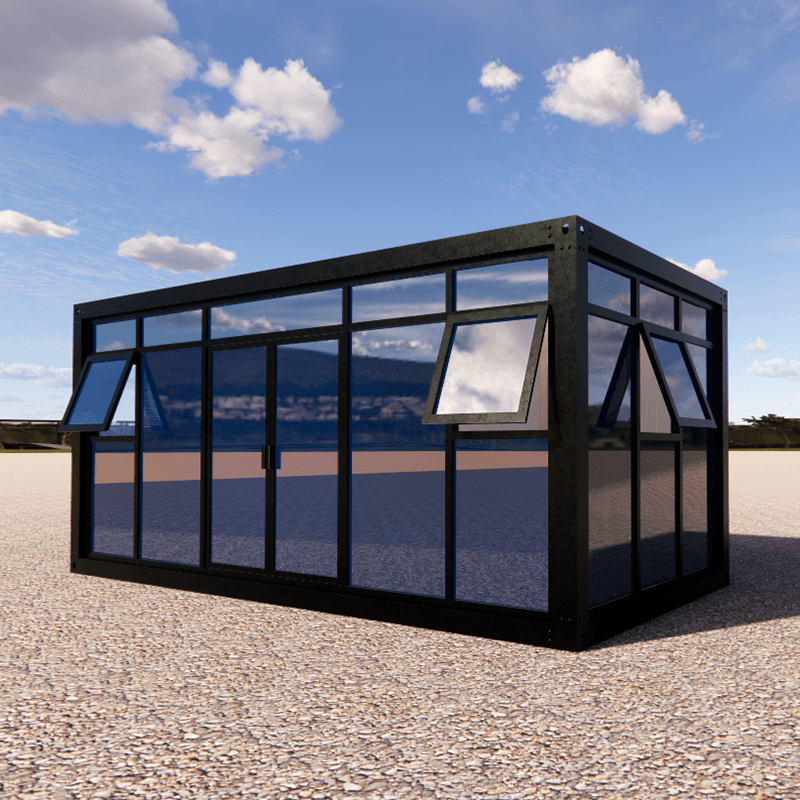
Chinese Prefabricated Houses:
- Types and Advantages: Represented by expandable container houses, they fall under the category of prefabricated buildings. Produced in factories and assembled on-site, they offer significant core advantages. They are inexpensive; a fully furnished 70-square-meter house costs less than $30,000 (approximately 200,000 yuan). The construction period is short, enabling quick satisfaction of housing demands. The industry is developing rapidly, with the export value of prefabricated buildings increasing from $1.472 billion in 2015 to $4.339 billion in 2025, and a growth rate of 45% in the first quarter of 2026, demonstrating strong market vitality and development potential.
- Limitations and Shortcomings: In rural China, the acceptance of prefabricated houses is limited. On one hand, the cost of self-built houses is not significantly different from that of prefabricated houses, and self-built houses provide a greater sense of security in the minds of the people. On the other hand, prefabricated houses have some quality issues, such as the need to improve structural stability, and the tendency for cracks and water leakage at module connections. Therefore, they are mostly used as temporary sheds or transitional housing, with low recognition for long-term stable residence.
Japanese Prefabricated Houses: The thickness of the concrete floor structure layer in Japanese residential buildings ranges from 200 to 350 mm, partly due to the development of intensive and industrialized prefabricated construction. Structural slabs and underlayments are made into semi-finished products at the prefabrication site and assembled on-site. This approach reflects a high level of construction expertise and may surpass others in terms of construction industrialization and workmanship precision. However, there is currently limited information on the overall situation of Japanese prefabricated houses, with a lack of detailed data on aspects such as price, construction period, and market acceptance, making it difficult to conduct a comprehensive and in-depth comparison with Chinese prefabricated houses.
Overall, prefabricated houses in China and Japan each have their own characteristics. Chinese prefabricated houses have obvious advantages in terms of price and construction period, but need improvement in quality and rural market acceptance. Japanese prefabricated houses have certain advantages in construction technology, but overall information is relatively scarce, and more data is needed to support a comprehensive comparison.



