
Dimensions of Mobile Toilets in Residential Communities
The dimensions of mobile toilets in residential communities vary depending on the type, with common specifications as follows:
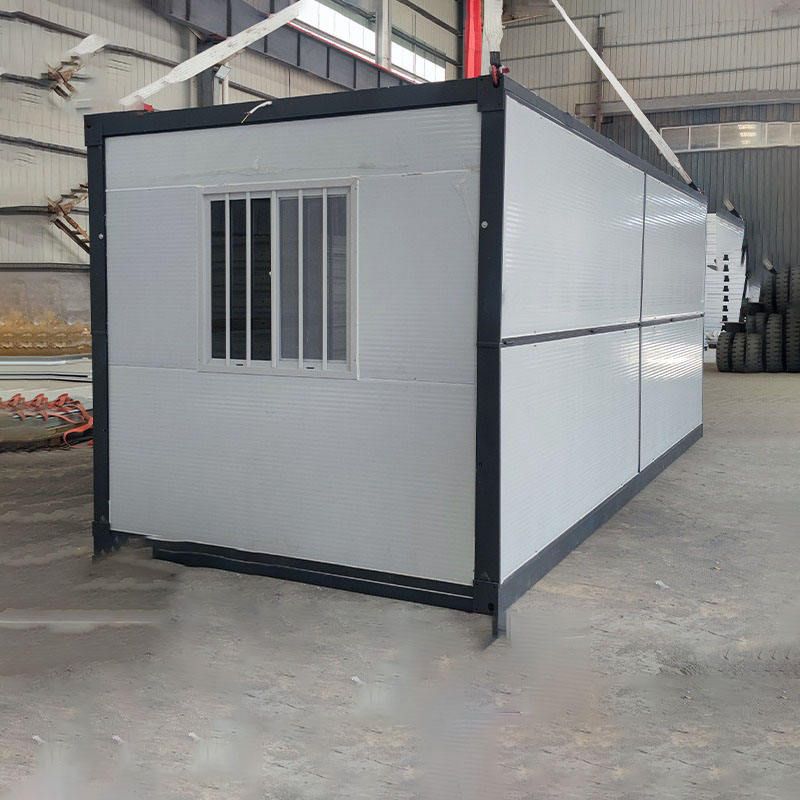
Single-person Type: The standard size is generally 110cm in length, 110cm in width, and 230cm in height, suitable for single-person use scenarios such as ordinary parks, temporary construction sites, small event venues, etc., and can also be used in residential communities. For more compact spaces, there is a mini single-person model with dimensions of 100cm in length, 100cm in width, and 220cm in height, often used in crowded small exhibitions, commercial streets, etc. Residential communities with space constraints can also consider this option. Additionally, a standard independent single-pit mobile public toilet typically has an external length ranging from 1.2 meters to 1.5 meters, a width from 1.0 meter to 1.2 meters, and a height generally between 2.2 meters and 2.5 meters. This size can meet basic single-person use needs and occupies relatively little space, facilitating flexible placement within residential communities.
Double-person Type: The dimensions are usually 180cm in length, 110cm in width, and 230cm in height, capable of accommodating two people simultaneously. This type of toilet is suitable for team-building venues, outdoor camping areas, and other scenarios requiring simultaneous use by multiple people. In residential communities, if there is a need for many people to use the toilet simultaneously, such as during community events, choosing a double-person mobile toilet can improve usage efficiency and reduce waiting times.
Barrier-free Type: This type is larger, generally 180cm in length, 150cm in width, and 240cm in height, with reserved space for wheelchair rotation to facilitate use by individuals with mobility impairments. Its internal clear width usually needs to be over 1.5 meters, and the clear depth over 1.8 meters, allowing wheelchairs to easily enter and complete 90-degree or 180-degree rotations inside. This type of toilet is commonly found in large parks, scenic area entrances, etc. In residential communities, if there are individuals with mobility impairments, setting up barrier-free mobile toilets can demonstrate care for special groups and enhance the community's humanization.



