
Common Problems in Mobile Toilet Installation
When installing mobile toilets, it is essential to focus on three core issues: site selection, sewage system management, and water and electricity supply security. Specific considerations are as follows:
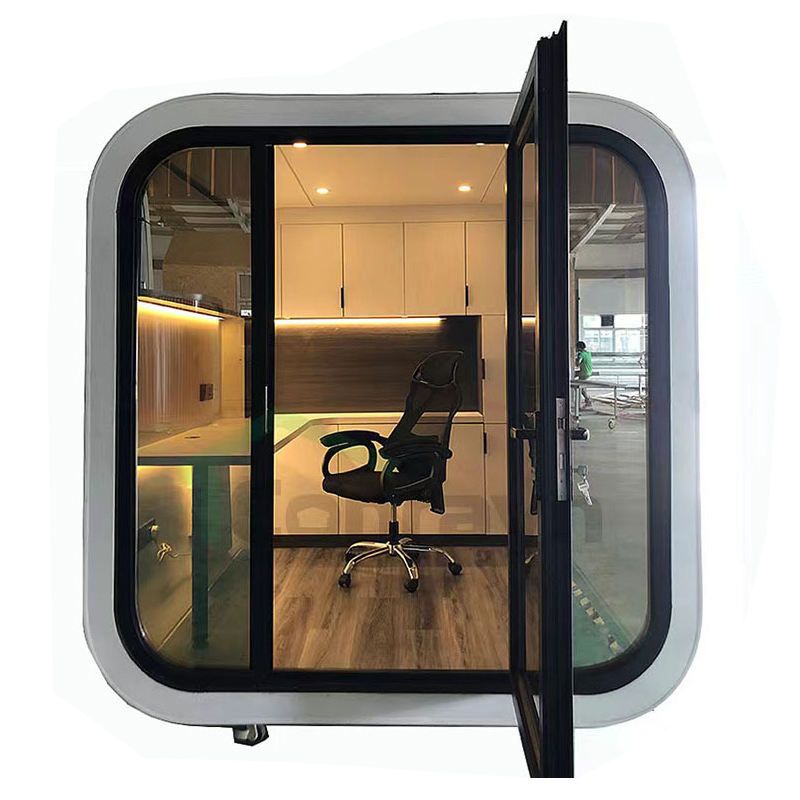
I. Site Selection Must Meet Basic Conditions and Functional Requirements The flatness and stability of the site are primary considerations. The self-weight of mobile toilets and the dynamic loads during use can exert pressure on the foundation. If the site has potholes or soft soil, it may lead to toilet tilting or even damage. Therefore, the ground should be hardened or a load-bearing plate should be laid before installation to ensure long-term stability. Convenience of access and privacy and safety must be considered simultaneously. The toilet entrance should avoid areas with heavy foot traffic, and barrier-free access or non-slip steps should be provided to facilitate use by the elderly, children, and people with disabilities. At least a 1-meter-wide maintenance passage should be reserved around the toilet for cleaning staff operations and equipment maintenance. Additionally, the site should be kept away from areas storing flammable and explosive materials and equipped with night lighting facilities to reduce safety hazards.
II. The Sewage System Must Balance Environmental Protection and Efficiency The design of sewage pipes must be scientific and reasonable. If the installation area is close to the municipal sewer, the sewage pipe can be directly connected, but the pipe slope must be ≥2% to prevent sewage backflow. For sites without sewer access, a septic tank or sewage storage tank must be provided, with its capacity calculated based on usage frequency (for example, at least 1 cubic meter of sewage storage space is required for 50 person-times of daily use), and professional cleaning and transportation should be arranged regularly to prevent overflow and environmental pollution. Odor control is a critical aspect. Sewage pipes should adopt a U-shaped trap design, using water seals to isolate odors; septic tanks should be added with biodegradable agents to accelerate the decomposition of organic matter and reduce gas production. If installed in confined spaces (such as underground parking garages), exhaust fans or activated carbon filtration devices should also be added to ensure air circulation.
III. Water and Electricity Supply Must Ensure Basic Functional Operation The power supply must be stable and reliable. Flushing systems, lighting, and ventilation equipment typically rely on 220V AC power. If there is no external power supply in the installation area, a diesel generator (power ≥3kW) or solar panels (average daily power generation ≥5kWh) must be configured. Circuit laying should use waterproof and moisture-proof materials, and leakage protection devices should be installed to avoid electric shock risks. The water supply must be flexible and diverse. Flushing toilets need to be connected to tap water pipes, with water pressure ≥0.2MPa; if there is no municipal water supply, a water tank (capacity ≥500L) can be provided and regularly refilled. It is recommended to use sensor faucets at handwashing stations to reduce water waste, and a low-position drainage outlet should be set up to prevent water accumulation on the ground.
By strictly controlling the three aspects of site, sewage, and water and electricity, the user experience and operational efficiency of mobile toilets can be significantly improved, while meeting environmental protection and safety requirements.



