
Common People's Container Mobile Housing
Common people's container mobile housing is a habitable architectural form transformed from containers as the basic structural modules.
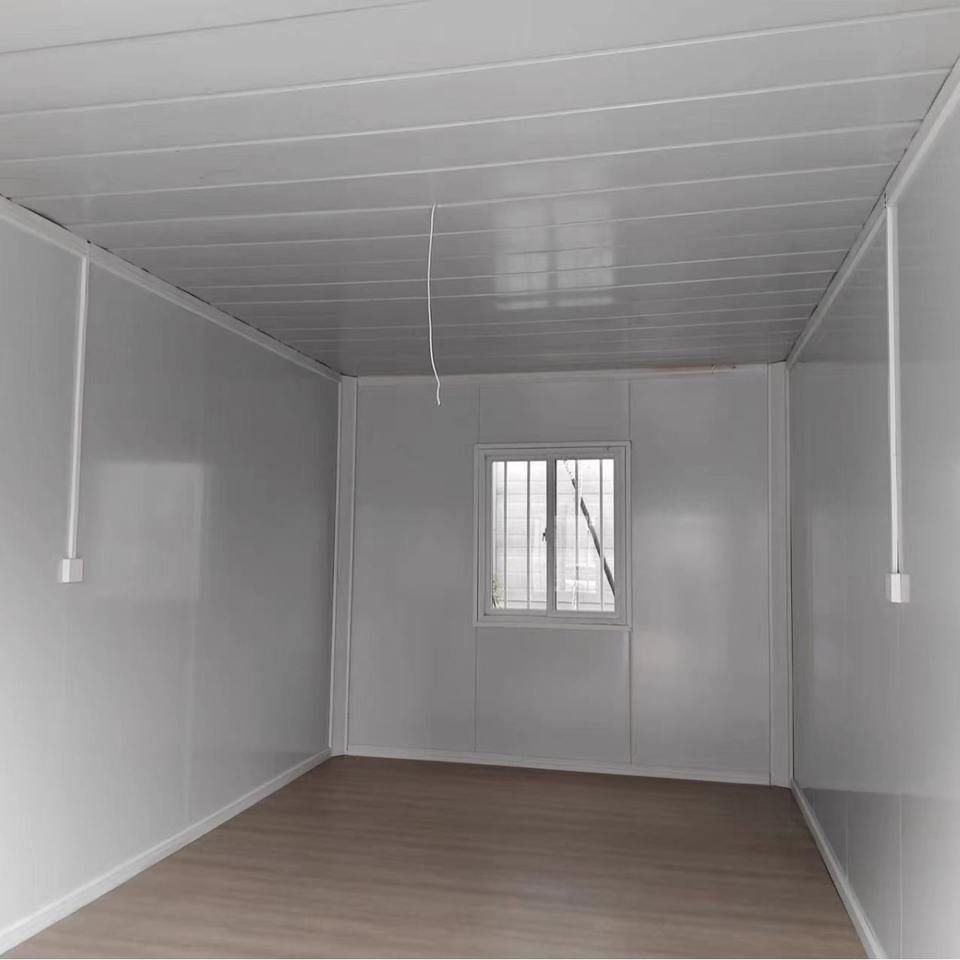
I. Construction Methods There are two main construction methods. One is the rural residential container mobile elderly care housing, which adopts a mode of transporting loose materials and on-site assembly. The loose materials are transported to the designated location by trucks, and professional craftsmen come to the site for rapid assembly. This method offers high flexibility and can be adjusted according to the actual on-site conditions. The other is the factory-customized production mode, where the entire mobile housing is produced in the factory. After production, it is directly transported to the site as a whole and can be used immediately upon arrival. This mode does not occupy land quotas, and the production process is highly standardized, ensuring better quality.
II. Features and Advantages
- Sturdy and Durable: Containers themselves have high strength and stability. After transformation, the resulting housing can withstand a certain degree of external force impact, providing a safe and reliable living environment for occupants.
- Easy to Build: Whether it is loose-part assembly or whole-unit transportation and installation, both are relatively simple and quick, greatly shortening the construction cycle. This is especially suitable for projects with tight time requirements, such as post-disaster emergency housing.
- Environmentally Friendly and Flexible: Using recyclable containers as the main materials reduces dependence on traditional building materials and lowers the environmental impact. At the same time, the housing can be moved and re-arranged according to needs, offering high flexibility.
- Low Cost: Compared to traditional buildings, the construction cost of container mobile housing is lower, including material costs and construction costs, making it highly attractive for projects with limited budgets.
III. Application Areas It is widely used in temporary housing, creative spaces, and post-disaster emergency housing. For example, it provides temporary accommodation for workers at construction sites; serves as creative studios, cafes, and other creative spaces; and acts as emergency shelter housing after natural disasters, offering temporary living places for affected people.
IV. Technological Optimization Continuous technological optimizations and research are being carried out in areas such as thermal insulation performance, energy supply systems, and intelligent management. By adopting new thermal insulation materials and insulation technologies, the thermal insulation performance of the housing is improved. Renewable energy sources such as solar and wind power are introduced to achieve self-sufficiency in energy. Intelligent management systems are utilized to enable remote monitoring and intelligent control of the housing, enhancing living comfort and convenience. For example, products launched by Hangzhou Yuanzhu Technology Co., Ltd. possess multiple excellent features.



