
Common Faults of Mobile Toilets in Scenic Areas
Common faults of mobile toilets in scenic areas include toilet blockage, odor return, facility damage, unreasonable location planning, insufficient capacity, and issues related to smart public toilets.
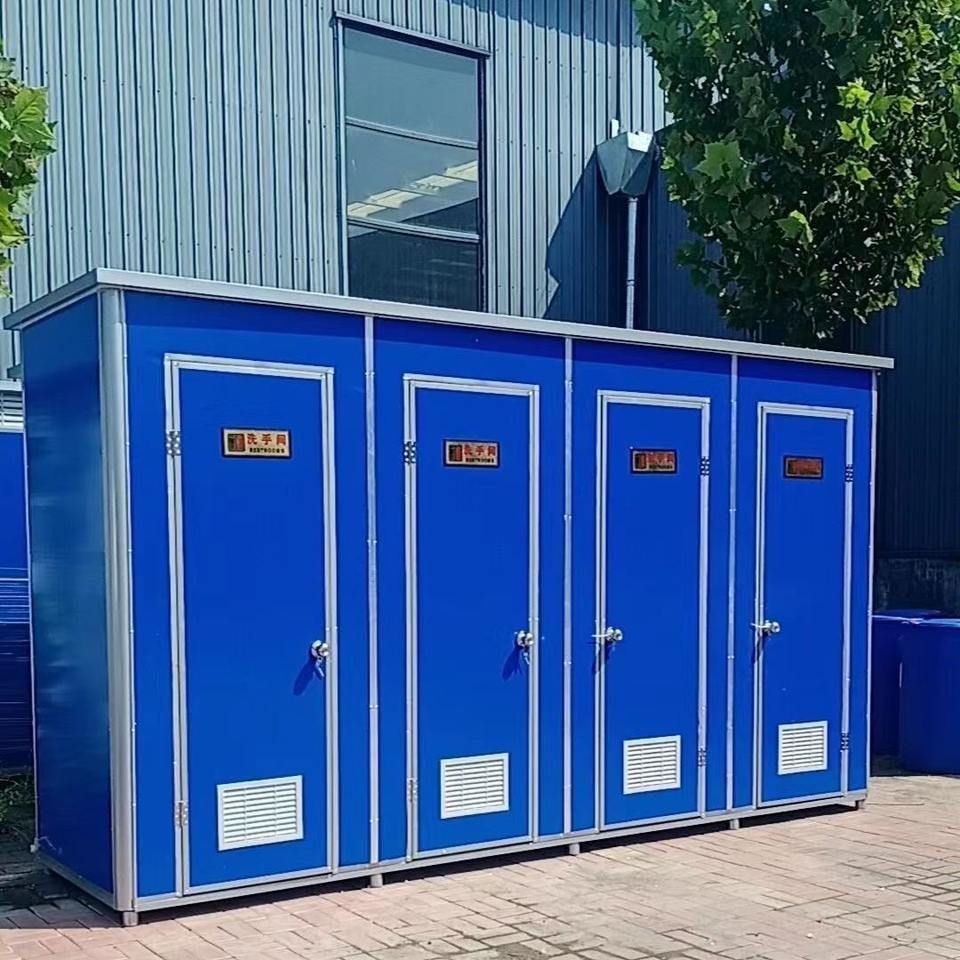
Toilet Blockage Issues: Common causes include improper use, such as tourists throwing non-degradable items like tissues, wet wipes, and plastic bags into the toilet; design flaws, such as small-diameter drainage pipes or excessive bends; inadequate maintenance, such as not cleaning the toilets regularly; and excessive usage frequency exceeding the carrying capacity. Solutions include strengthening publicity and education to popularize correct usage knowledge; optimizing design by selecting large-diameter drainage pipes, reducing bends, and installing anti-blockage devices; conducting regular maintenance, formulating plans, increasing cleaning frequency during peak tourist seasons, and equipping with unclogging tools; and rationally allocating resources by configuring the number and distribution of mobile toilets according to tourist flow, and temporarily increasing the number during peak seasons.
Odor Return Issues: Common causes include poor ventilation due to unreasonable design of the ventilation system; incomplete cleaning, with residual waste in the toilet not being cleaned up in a timely manner; drainage system problems, such as poor sealing of drainage pipes or failure of water traps; and material issues, with low-quality materials easily absorbing odors and being difficult to remove. Solutions include optimizing the ventilation system by installing exhaust fans or natural ventilation devices and setting up ventilation openings at the top of the toilet; strengthening cleaning management by formulating strict cleaning standards, using high-efficiency cleaning agents and deodorizers, and conducting regular disinfection; and inspecting the drainage system by regularly checking the sealing and water trap status.
Facility Damage: Some tourists' uncivilized behavior leads to damage to components such as door locks, faucets, and toilet paper holders, affecting normal use.
Unreasonable Location Planning: Some mobile toilets are located in remote areas, making it difficult for tourists to find them quickly, especially in large scenic areas, causing inconvenience to tourists.
Insufficient Capacity: During peak tourist seasons, the number of tourists increases significantly, and the existing number of mobile toilets may not meet the demand, resulting in long waiting times in queues.
Issues Related to Smart Public Toilets: Toilet stall sensors may fail to work properly due to damage, aging, or interference; the sensitivity of the sensors may be improperly set, being too high or too low to accurately detect; power supply issues with the sensors may cause unstable power supply, preventing the equipment from operating normally; software errors may cause incorrect acquisition of sensor status, with the indicator light showing red even when the stall is actually unoccupied; and short circuits between the yellow wire and GND may occur due to poor contact or insulation damage between the signal wire and ground wire during wiring, causing false alarms from the indicator light.



