Images of Container Houses on Commercial Streets
Currently, we cannot directly provide images of container houses on commercial streets, but we can offer a detailed introduction to their features and typical cases.

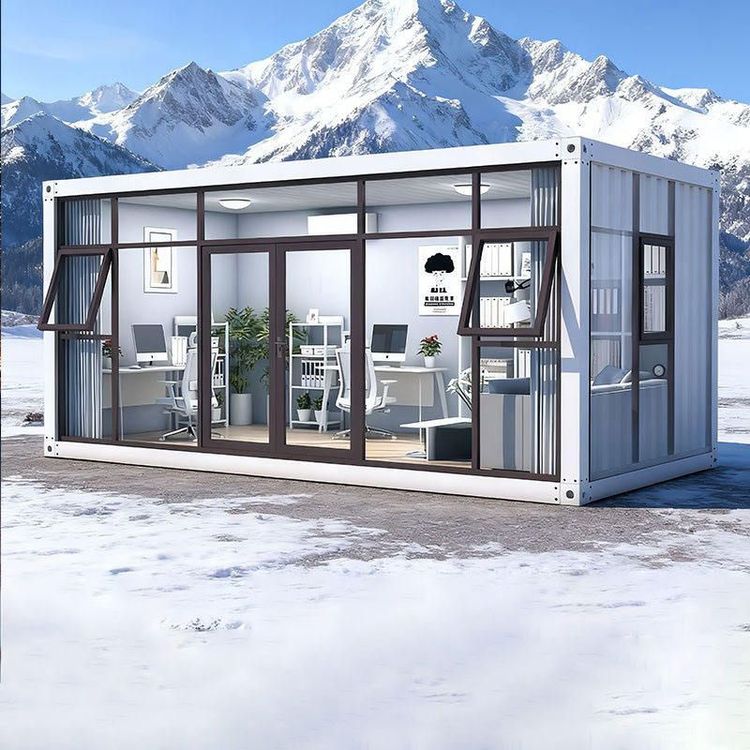
Container houses on commercial streets are movable commercial spaces formed through structural modifications and functional designs based on standardized containers. Their core advantages lie in modularity, flexibility, and customizability, enabling rapid construction and adaptation to various commercial scenarios.
1. Structural and Functional Design Container houses are transformed from standard containers through processes such as cutting, welding, and reinforcement to create single-story or multi-story spaces. For example, some projects feature large glass windows or doorways on the sides of containers to enhance natural light and transparency. Internally, lightweight partitions are used to divide functional areas such as retail zones, storage areas, or leisure spaces. Some containers also incorporate steps or stairs, converting the second floor into viewing terraces or rest areas to improve space utilization.
2. Appearance and Visual Style The exterior design of container houses on commercial streets emphasizes trendiness and distinctiveness. Taking Shandong Province's Zibo Crystal Street as an example, containers are painted in vibrant colors (such as bright orange, royal blue, and bright yellow) and paired with simple yet stylish patterns, creating a strong visual impact. The integration of modular elements (such as geometric lines and brand logos) further reinforces the unity of the commercial theme. Additionally, some containers are decorated with external light boxes and neon strips to create a lively atmosphere for nighttime consumption scenarios.
3. Typical Application Scenarios Container houses are commonly used on commercial streets to create themed markets, pop-up stores, or brand experience stores. For instance, more than ten containers on Zibo Crystal Street are combined to form a youth-oriented market, gathering businesses selling trendy products, fashion accessories, and cultural and creative merchandise. Each container operates as an independent trendy goods store. This model not only reduces the renovation costs of traditional shops but also supports rapid business adjustments through its movable nature, meeting the dynamic updating needs of commercial streets.
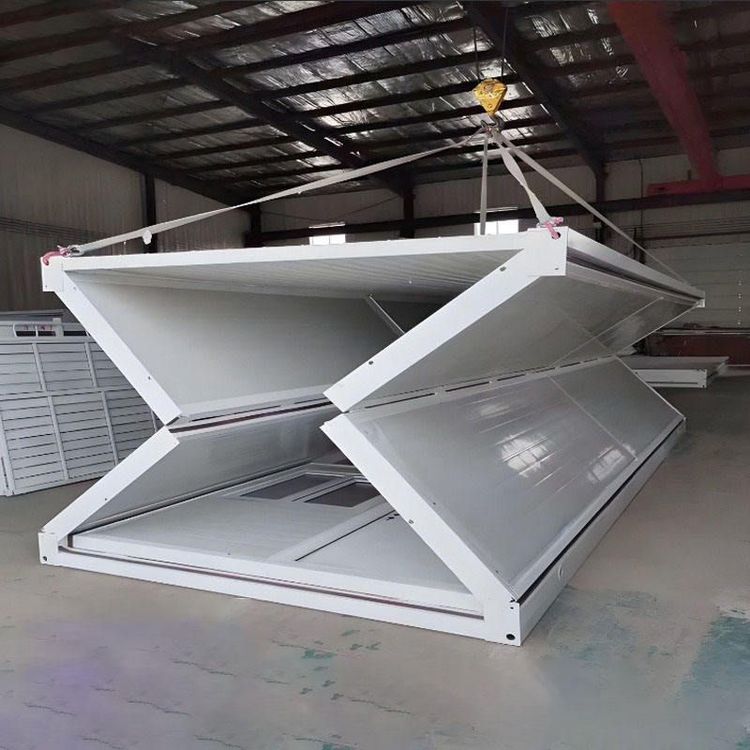
4. Sustainability and Cost-Effectiveness The modular nature of container houses supports repeated disassembly, reassembly, and relocation, reducing construction waste and aligning with green commercial principles. Meanwhile, their standardized production process shortens the construction period and lowers time costs, making them particularly suitable for short-term or experimental commercial projects.