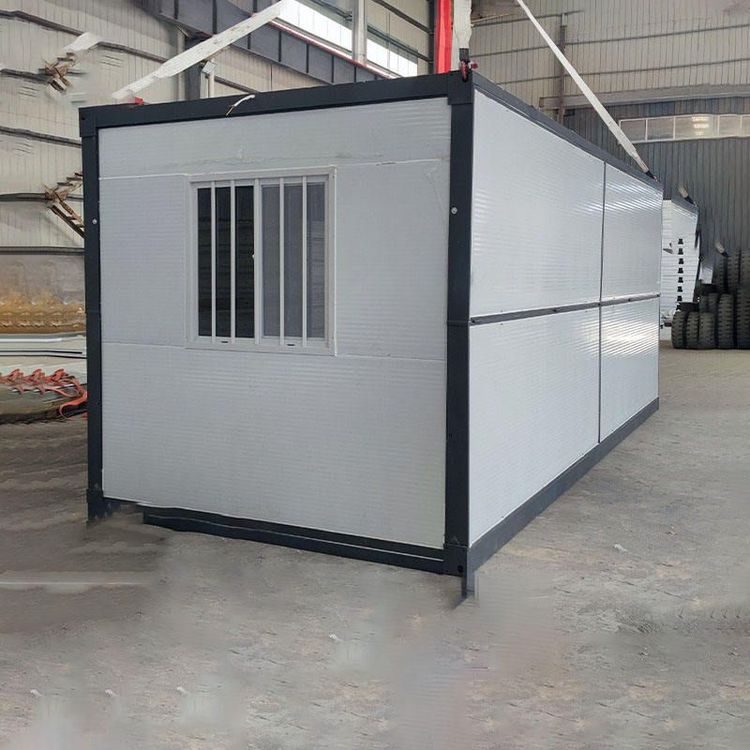
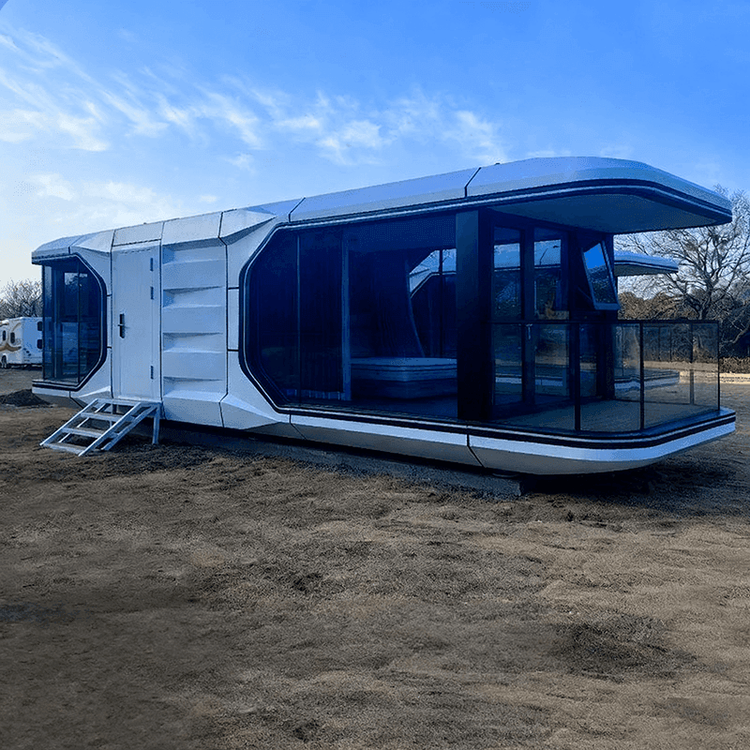
Color-Steel Mobile Toilet Assembly
The assembly of the main body of a color-steel mobile toilet mainly includes modular assembly, panel installation, electrical wiring and pipeline installation, along with relevant considerations.

Modular Assembly Method
The main structure adopts modular assembly, with high-strength galvanized bolts combined with sealing gaskets used at connection points, providing both rigid fixation and flexible cushioning. During assembly, strict torque control standards must be followed to prevent deformation of the color-steel panels or seal failure due to over-tightening. The main frame is connected by prefabricated steel keel components using high-strength bolts. This design facilitates transportation by allowing the components to be broken down into flat parts, reducing transportation difficulties in high-altitude areas.
Panel Installation
Color-steel panels are the primary building materials. They are connected to the steel frame using bolts to form a closed space for the walls and roof. Seams are treated with sealant to enhance overall airtightness and prevent wind and rain infiltration. The wall and roof panels adopt a concealed snap-fit system, with special sealing strips filled at the seams to ensure structural airtightness in strong wind conditions.
Electrical Wiring and Pipeline Installation
The electrical wiring and water supply and drainage pipelines between modules use quick-connect interfaces with anti-leakage and anti-freeze designs. Indoor functional modules, such as squat toilets, water-saving flushing systems, and ventilation ducts, all use standardized interfaces, enabling rapid integrated installation after the main structure is completed, improving assembly efficiency.
Assembly Considerations
Structural assembly focuses on modular connections to ensure tight cooperation between components and enhance overall stability. In high-altitude areas, due to the special climate, the coefficient of thermal expansion and contraction of the color-steel material must be accurately calculated. Because of the large temperature difference between day and night in high-altitude areas, if not accurately calculated, the color-steel material will generate significant stress due to thermal expansion and contraction, affecting the long-term stability of the structure and potentially leading to problems such as loose connections and panel deformation. Therefore, this factor must be fully considered before assembly, and corresponding measures should be taken to ensure structural stability.