Collision with Mobile Toilet
Collisions with mobile toilets can lead to serious consequences, including casualties, property damage, and traffic congestion.

I. Risk of Casualties
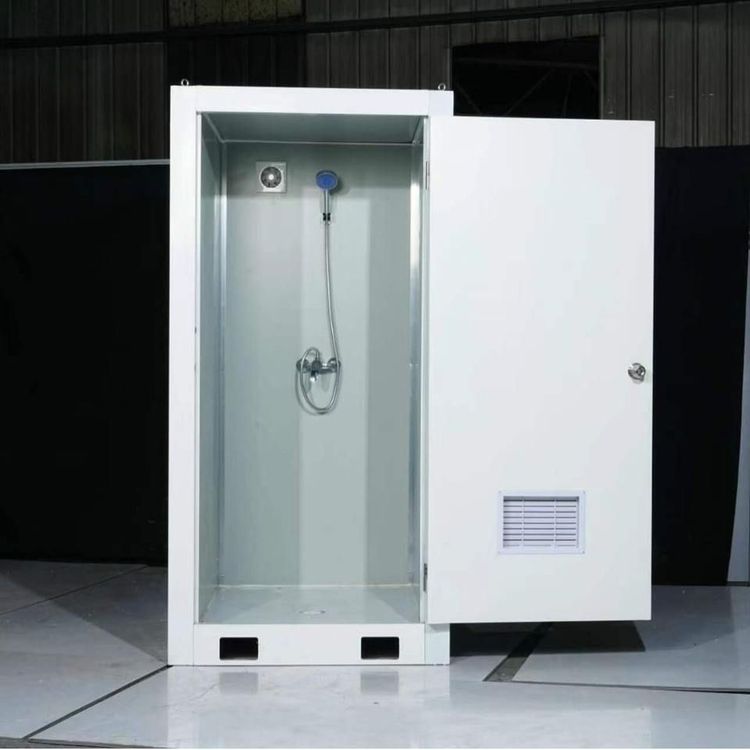
If a mobile toilet falls onto the road due to inadequate securing or improper transportation, vehicles behind may collide with it due to insufficient time to react. For example, on July 24, 2026, a truck transporting a mobile toilet in Arkansas, USA, had one of the toilets suddenly fall onto the highway during transit. A Honda sedan behind collided with it, resulting in the death of the 56-year-old driver. In such accidents, the sudden appearance of the mobile toilet leaves drivers with very little reaction time, and the lack of a buffer structure during the collision can easily cause fatal injuries. Additionally, if a mobile toilet is towed onto a highway (such as the incident involving a woman trapped in Hebei in 2025), occupants inside may face health risks due to prolonged confinement, lack of oxygen, or vehicle jolts, and may even trigger secondary accidents if the driver is unaware.
II. Property Damage and Traffic Impact
When a mobile toilet falls or is collided with, it can directly damage vehicles, road facilities, and the toilet itself. For example, on March 17, 2025, a mobile toilet loaded on a truck fell onto the S9 Sutai Expressway. Although no casualties occurred, the sudden evasive maneuvers of vehicles behind caused a brief traffic interruption, and it took the tunnel maintenance staff 5 minutes to clear the scene. In yesterday's accident on Youzha Street Youth Road, an out-of-control truck collided with and destroyed a mobile public toilet, injuring 4 people inside the toilet and damaging utility poles, trees, and vehicles, with high repair costs. Such incidents not only cause direct economic losses but may also trigger a chain reaction, such as traffic congestion affecting regional traffic efficiency and increasing the deployment of rescue resources.
III. Legal Liability and Safety Regulations
Strict adherence to securing measures is required when transporting mobile toilets; otherwise, legal penalties may be imposed. For example, in the March 17, 2025, accident, the truck driver was fined 200 yuan for failing to secure the cargo. According to traffic regulations, the scattering of cargo due to inadequate securing is an illegal act, and the responsible party must bear full or partial liability for the accident. Furthermore, if a mobile toilet falls due to design flaws or improper maintenance (such as structural looseness), the manufacturer or operator may also be held liable. Therefore, it is essential to inspect the securing devices before transportation to ensure compliance with safety standards and reduce the risk of accidents.