Clear Water Container Mobile House
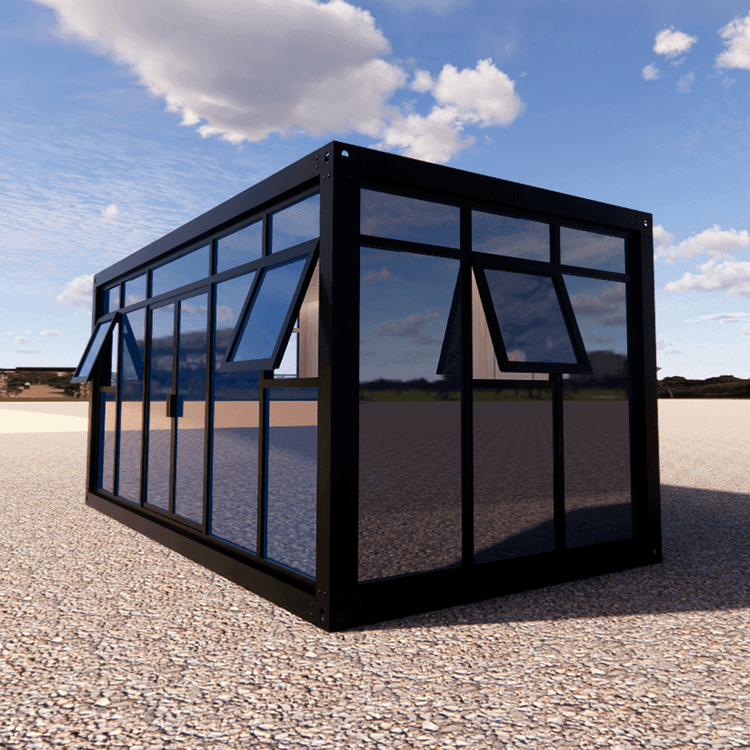
The clear water container mobile house is a movable living or office space formed by transforming and designing standard freight containers, featuring modularity, rapid assembly, environmental protection, and energy efficiency.

Structure and Materials
The main structure of the container mobile house is derived from standard freight containers, made of high-strength steel, providing excellent compressive and seismic resistance. Its outer shell is usually treated with anti-corrosion measures, and internally equipped with insulation layers (such as polyurethane foam) and waterproofing techniques to ensure comfort and durability during long-term outdoor use. Some high-end models also incorporate designs like double-glazed windows and sunshades to further enhance lighting and thermal insulation performance.
Modularity and Flexibility
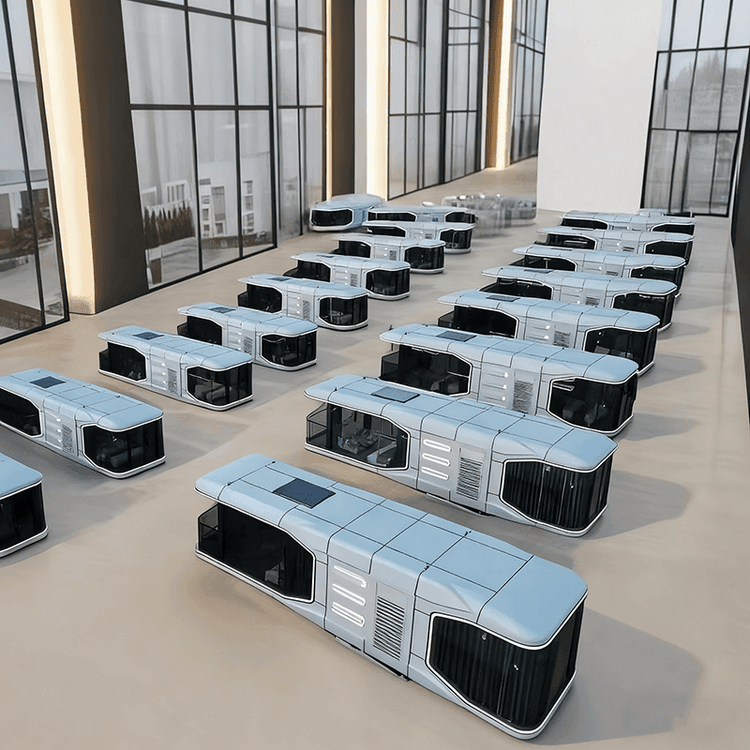
The core advantage of container mobile houses lies in their modular design. A single container can be used as an independent unit or combined into larger spaces through splicing and stacking to meet different scenario requirements. For example, construction site dormitories may use multiple containers spliced into multi-story structures, while homestays or offices may achieve personalized layouts through customized designs. Additionally, these houses do not require traditional foundation construction and can be put into use after connecting to electricity and water, significantly shortening the construction cycle.
Application Scenarios
Container mobile houses have a wide range of applications, including but not limited to:
- Temporary living: Such as construction site dormitories, post-disaster relief housing, tourist campsites, etc.
- Office spaces: Such as mobile offices, project headquarters command centers, etc.
- Commercial uses: Such as shops, cafes, exhibition halls, etc.
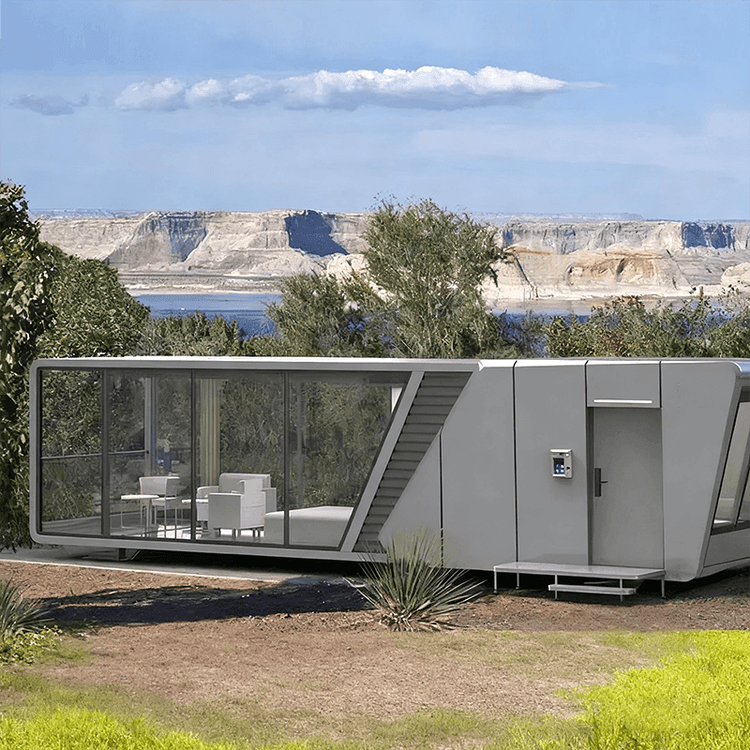
- Personal space expansion: Such as weekend cottages, art studios, etc.
Environmental Protection and Sustainability
Many container mobile houses incorporate environmental protection concepts into their design. For example, solar panels can be installed on the roof to achieve off-grid power supply; energy-efficient lighting fixtures and eco-friendly materials are used internally to reduce energy consumption and pollution. Furthermore, the reuse of containers aligns with the principles of a circular economy, reducing the generation of construction waste.
Customization and Aesthetics
Modern container mobile houses are no longer limited to a single industrial style but achieve diverse and aesthetically pleasing appearances through design elements such as spray painting, wood veneers, and glass curtain walls. Users can choose colors, materials, and layouts according to their needs, and even imitate traditional architectural styles to harmoniously blend with the surrounding environment.