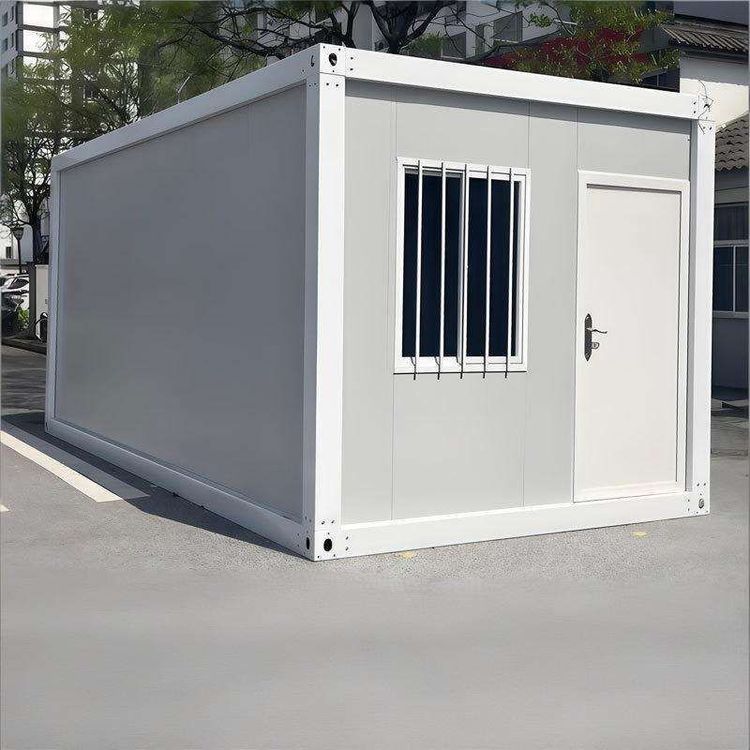
Classroom Homemade Mobile Toilet
The homemade mobile toilet in the classroom should be reasonably planned according to specific needs and scenarios, mainly divided into two categories: emergency use by students and use by class pets, requiring adherence to different principles and attention to relevant matters.

If students make a mobile toilet in the classroom due to emergency needs such as the teacher delaying class, this behavior usually does not comply with the school's常规 (conventional) management regulations. Schools generally have fixed toilets, and students should follow the normal schedule and classroom order, solving the toilet problem by communicating with the teacher to reasonably arrange rest time between classes, rather than making a mobile toilet in the classroom on their own, which may affect the classroom's sanitary environment and normal teaching order.
If it is a mobile toilet for class pets, certain prerequisites need to be met. First, school approval must be obtained, and the responsible person should be clearly identified to ensure that the entry of animals into the classroom does not affect students' health and normal teaching. Second, a comprehensive assessment should be carried out before actual configuration to confirm the animal species, excretion habits, allergy risks, and cleaning responsibilities. For example, different animals have different excretion frequencies and methods. Small animals like hamsters have relatively small and regular excretion amounts, while animals like rabbits have large and frequent excretion amounts. At the same time, it should be considered that some students may be allergic to animal hair, excreta, etc., and preventive measures should be taken in advance.
In terms of equipment selection, independent equipment with a leak-proof tray, replaceable bedding, easy portability, and the ability to be thoroughly disinfected should be selected. If the class is only conducting short-term life science observations, priority should be given to using enclosed transport boxes and disposable absorbent pads, which can not only collect excreta but also facilitate cleaning and disinfection after the observation is over. If the animals need to live continuously in the classroom, a separate feeding space that conforms to the species' habits must be prepared, because a mobile toilet can only solve the problem of excreta collection and cannot replace functions such as ventilation, drinking water, shelter, temperature control, and daily health observations. For example, birds need a certain amount of flying space and an appropriate temperature, and reptiles have strict requirements for temperature and humidity, all of which require a specialized feeding environment to meet.