CIMC Container Houses
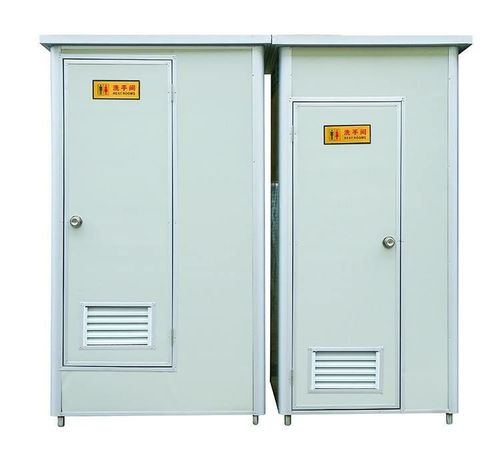
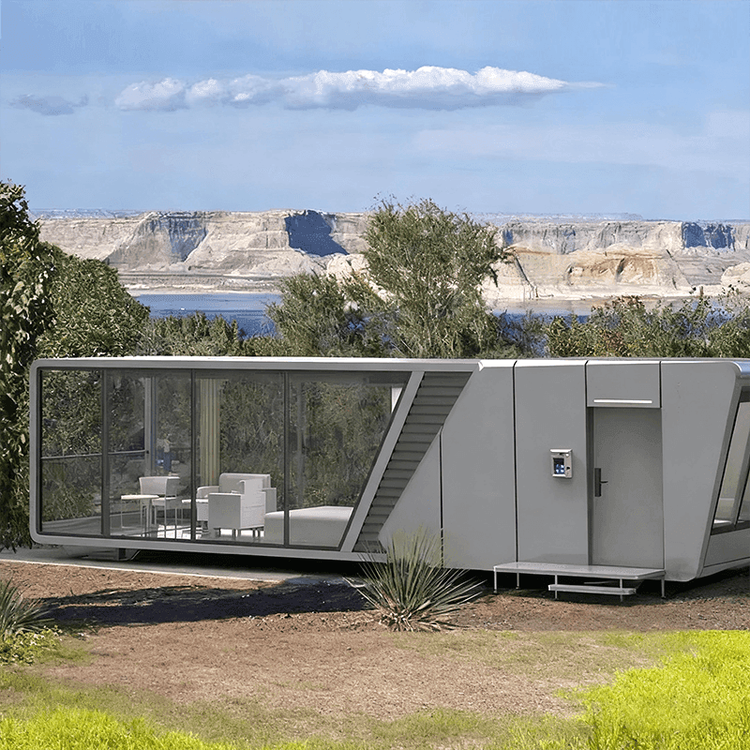
CIMC container houses are modular building products from CIMC Group, featuring solid structures and wide application scenes, with mature cases in temporary construction and commercial use.

Development history and typical applications
R&D and use of CIMC container houses began with emergency needs. After the 2008 Wenchuan earthquake, CIMC Group quickly built a school for a thousand people with containers, showing rapid deployment; in 2012, CIMC created the world’s first recyclable container hotel for the UK, proving eco-friendly reuse value. These cases show CIMC container houses suit not only post-disaster rebuilding but also commercial innovation.
Performance: outstanding structure and durability
The core strengths are structural strength and durability. A welded-frame design delivers compressive strength of 115 kN/m² and torsional deformation of only 0.3 mm, resisting strong wind, earthquakes, and other impacts; ordinary galvanized steel plate passes an 800-hour salt-spray test, with service life about 12 years under normal maintenance for long-term use. Waterproof sealing has some limits: in a spray test simulating the plum-rain season, two slight leaks appeared at welding gaps with incomplete sealing—improvable by better welding or added seal layers.
Market positioning: covering diverse scenes
CIMC container houses center on modular building solutions across three scenes:
- Site temporary buildings: Temporary offices, dormitories, or warehouses for short cycles and fast erection;
- Commercial shops: Personalized conversion into cafés, bookstores, and similar uses to cut operating cost;
- Overseas export: Standardized production and recyclability support international markets. As of December 11, 2024, Baidu Aicaigou showed 128 related product listings, reflecting high market activity.
Summary
Through technical innovation and scene expansion, CIMC container houses have become a representative product in modular buildings. Strength and durability suit long-term use, but waterproof details need attention; market coverage from emergency needs to commercial innovation shows flexibility and sustainability.