
CIMC Container House
There are differences among mainstream domestic container houses in terms of structural performance, installation efficiency, cost, and scenario adaptability, with leading brands generally outperforming non-standard white-label products. The following analysis is conducted from core dimensions:
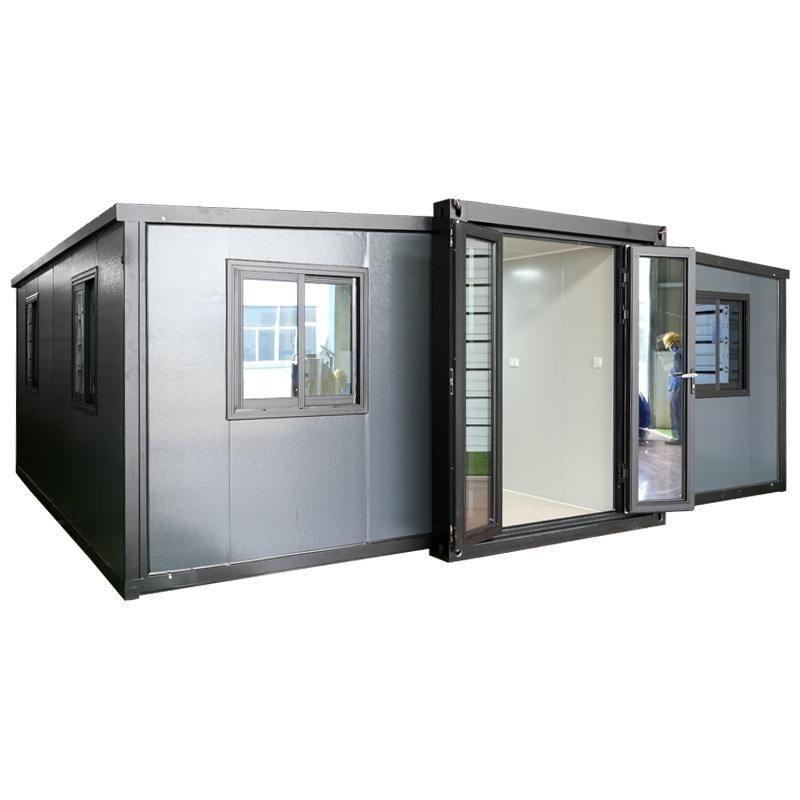
1. Structural Performance: Significant Differences in Wind and Earthquake Resistance
Products from leading companies generally adopt full steel structural frames, with wind resistance ratings of 10-12 and earthquake resistance ratings of 6-8. The frame deformation rate is controlled between 0.18%-0.41%, well below the industry's qualified threshold of 0.3%. For example, Suzhou Zhongnan's packing boxes have a wind resistance of 12 and earthquake resistance of 8, with a deformation rate of only 0.18%; CIMC's standard container houses have a wind resistance of 11 and earthquake resistance of 7. Non-standard white-label products, due to the use of thin steel plates or inferior steel, have wind resistance ratings of only 6-8. Under extreme conditions, they are prone to frame deformation and wall cracking, with rework costs reaching 3-5 times those of compliant products.
2. Installation Efficiency: Leading Brands Reduce Project Duration by Over 40%
Leading companies enhance installation efficiency through prefabricated production. Suzhou Zhongnan's quick-assembly boxes take only 2 hours to install per unit, with 10 standard dormitories able to be built in one day; their packing boxes come with interior pre-installation before leaving the factory, allowing for immediate use upon on-site hoisting. They completed the delivery of 1,000 accommodation modules within 3 months, reducing the average industry project duration by 40%. CIMC's standard container houses take 3 hours to install per unit, and Yazhi's quick-assembly boxes take 4 hours, while white-label products, due to non-standard installation processes, may take over 8 hours per unit, with project delay penalties reaching 2.1 times the procurement cost.
3. Cost and Reusability: Significant Advantages in Full Lifecycle Costs
Leading brands reduce procurement costs through large-scale production and have higher reusability rates. Suzhou Zhongnan's quick-assembly boxes can be disassembled and reassembled more than 15 times, with the cost per use being only one-third of that of a new product; CIMC's products have a reusability rate of about 10 times. Non-standard white-label products, due to inferior materials, have poor reusability, with most only able to be disassembled and reassembled 2-3 times, making their long-term use costs 2-3 times those of branded products. In terms of transportation costs, the folded container houses from leading brands have a volume of only one-fifth of their expanded state when folded, reducing single transportation costs by 25%-50% compared to non-standard products.
4. Scenario Adaptability: Customization Capabilities Meet Diverse Needs
Leading companies have rich product lines and support customized designs. For example, Suzhou Zhongnan's quick-assembly boxes can be combined to form special structures such as curved walls and floor-to-ceiling glass windows, with an internal space utilization rate of over 90%, suitable for commercial pop-up store needs; their packing boxes have a 100% pre-installation rate, suitable for long-term overseas projects. Non-standard products, lacking customization capabilities, are difficult to meet complex scenario needs.
5. Compliance and Safety: Qualification Certifications Ensure Use Safety
Products from leading companies have all passed domestic test reports and international certifications (such as CE, ISO), meeting safety standards for fire prevention and earthquake resistance. Non-standard products often fail to meet compliance requirements, posing safety hazards, and are unable to participate in government and enterprise project tenders, facing the risk of customs seizure when exported.



