Chongqing Mobile Environmental Toilet Design
The design of Chongqing's mobile environmental toilets integrates four core features: modularity, environmental treatment, intelligent management, and humanized adaptation, forming an efficient, flexible, and sustainable public health solution.

1. Modular Design: Flexible Adaptation to Complex Terrain
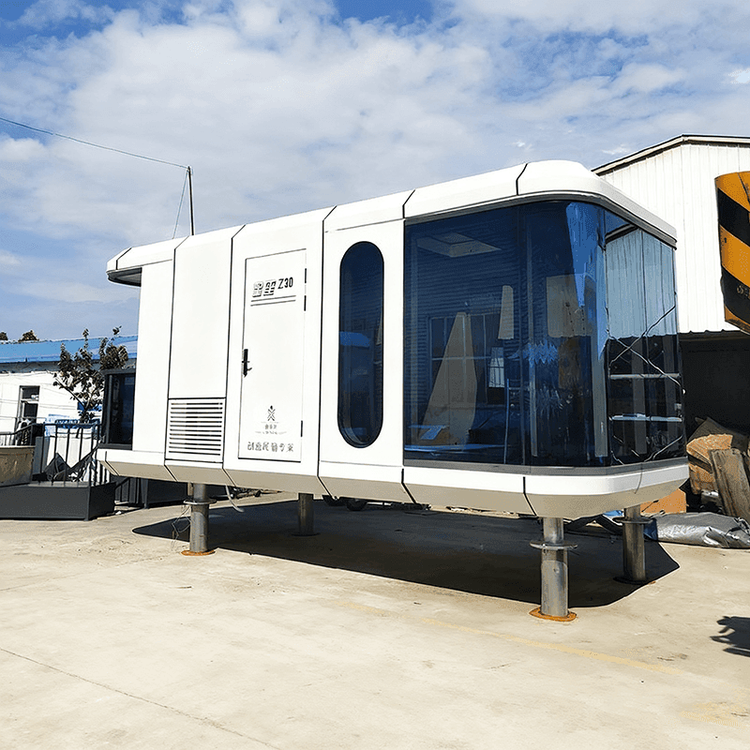
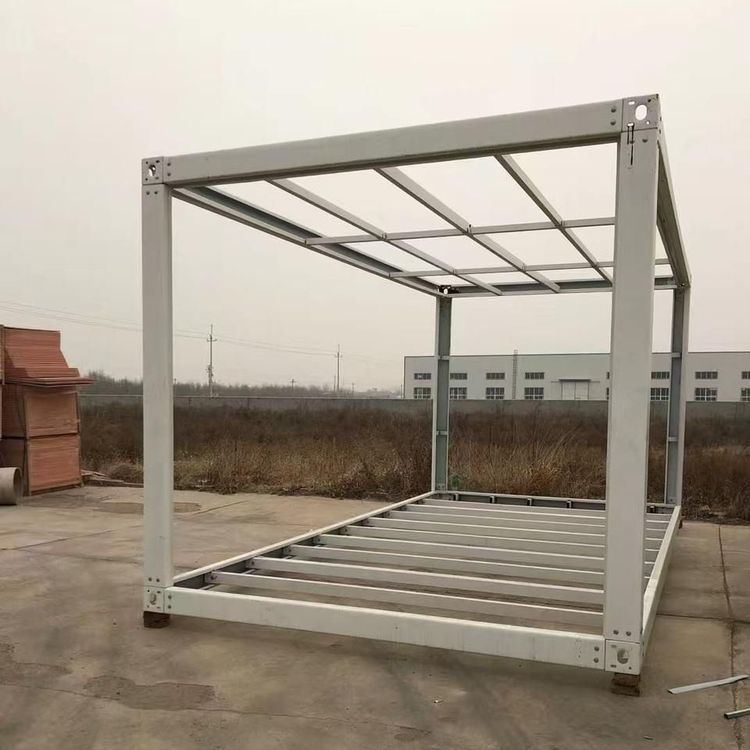
The mobile toilets adopt a standardized modular structure, with independent units for the main frame, sewage treatment system, ventilation device, and decorative panels. This design significantly reduces transportation costs, as individual modules can be loaded onto ordinary trucks, facilitating rapid deployment in scenic spots with complex terrains like Chongqing's mountainous city. For example, in scenarios with slopes or narrow roads, modules can be transported in batches to the site and then assembled, with the flexibility to adjust positions according to tourist flow. Modularity also provides the product with 'technological iteration potential.' When sewage treatment or intelligent systems are upgraded, only the corresponding modules need to be replaced to complete functional updates, avoiding resource waste caused by overall scrapping.
2. Environmental Sewage Treatment Technology: Achieving Resource Recycling
The core treatment technology employs a composite mode of 'biodegradation + physical filtration': feces are decomposed by microorganisms into harmless organic matter, while urine is filtered through membranes to meet the standards for reclaimed water, which can be directly used for toilet flushing or green irrigation, reducing sewage discharge by approximately 70%. Some high-end models introduce vacuum adsorption technology, which rapidly collects excreta into sealed tanks through negative pressure, combined with efficient deodorizers to reduce internal odor concentration by 80% compared to ordinary public toilets, especially suitable for extreme environments such as high altitudes and low temperatures. Such technologies significantly reduce reliance on municipal sewage networks, aligning with the needs of Chongqing's mountainous areas with dispersed layouts.
3. Intelligent Management: Enhancing Operational Efficiency
Remote monitoring is achieved through IoT technology, enabling the system to collect real-time data on toilet stall usage status, sewage tank capacity, and equipment operating parameters. Managers can access this information via mobile phones or computer terminals to arrange cleaning or maintenance in advance, avoiding resource idleness or overflow risks. Some models are equipped with environmental sensing modules that dynamically adjust lighting and ventilation intensity: when ammonia concentration exceeds standards, strong ventilation is automatically activated; at night when no one is using the toilets, lighting switches to energy-saving mode, reducing overall energy consumption by more than 30%.
4. Humanized and Scene-Adapted Design: Balancing Functionality and Aesthetics
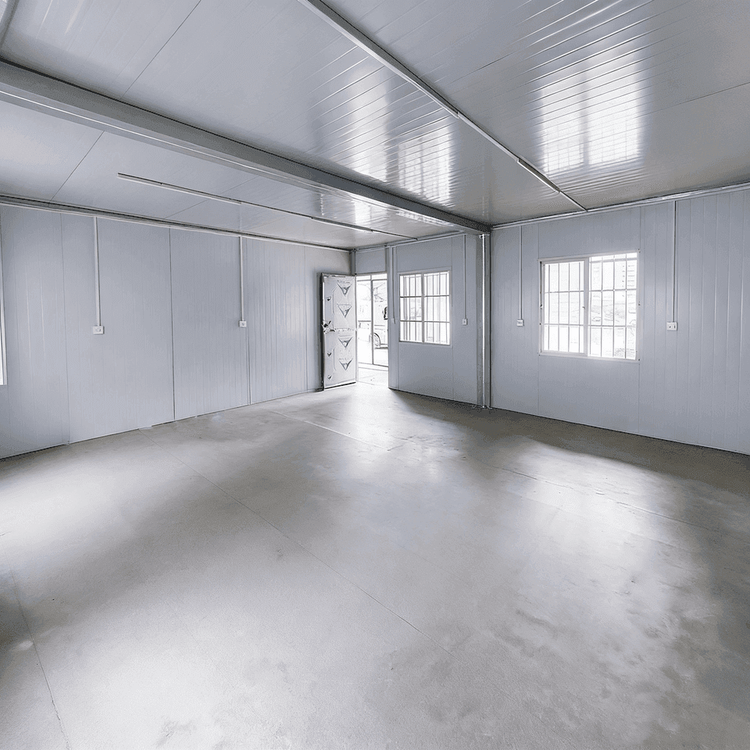
For cultural and tourism scenarios, modular assembly products can be installed within hours, offering style options such as antique and modern to deeply integrate with scenic spot landscapes. Public service scenarios include additional third toilets and母婴室 (nursing rooms), along with detail designs like soundproof materials and anti-pinch door locks to enhance the experience for special groups. Both indoor and outdoor building materials are selected as environmentally friendly options, such as bamboo fiber decorative panels and low-VOC paints, ensuring no odor release while forming visual harmony with the surrounding landscape.