Types of Intelligent Mobile Toilets in Chongqing
Intelligent mobile toilets in Chongqing are mainly divided into several major types: basic, multi-functional, eco-friendly, smart, and mobile toilets.

Basic Intelligent Toilets: These toilets feature simple and practical functions, focusing on meeting basic sanitation needs. They are typically equipped with automatic flushing systems, eliminating the need for manual operation and ensuring convenience and hygiene. Inductive lighting and ventilation systems automatically turn on or off based on ambient light and occupant activity, saving energy while providing comfort. Some basic intelligent toilets also include deodorization functions to effectively improve indoor air quality. Additionally, they can detect occupancy through sensors and automatically adjust equipment operation, such as reducing lighting brightness or ventilation intensity during low occupancy periods to conserve energy. These toilets are suitable for places with low functional requirements and a focus on basic hygiene, such as small parks and communities.
Multi-functional Intelligent Toilets: Building on basic functions, these toilets incorporate various service attributes. For example, they may include baby care rooms to provide convenience for parents with infants, barrier-free facilities for the disabled, emergency call buttons for seeking help in emergencies, and USB charging ports to meet the need for charging electronic devices while using the toilet. Multi-functional intelligent toilets are commonly found in busy areas such as shopping districts and subway stations, better meeting the diverse needs of different groups of people.
Eco-friendly Intelligent Toilets: Designed for regions with water scarcity, these toilets adopt water and energy-saving measures. They utilize water recycling technology to convert wastewater into flushing water, significantly reducing water consumption. Additionally, they may use solar power to reduce reliance on the power grid and lower energy costs. These toilets are suitable for outdoor public places such as scenic spots and parks, meeting environmental requirements while reducing operational costs.
Smart Intelligent Toilets: Integrated into urban management systems, these toilets enable data-driven management. They can monitor toilet usage and equipment operation in real-time, such as displaying toilet occupancy through apps or mini-programs to help users find available stalls and reduce waiting times. Managers can also remotely view data to promptly detect equipment failures and handle them, improving management efficiency. Smart intelligent toilets are mostly used in core areas with high foot traffic, such as city centers and large event venues.
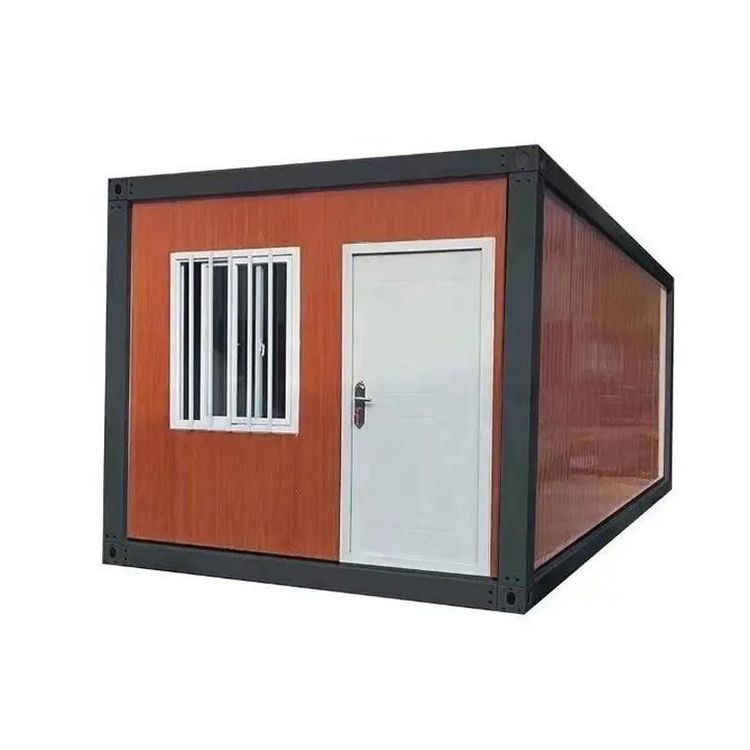
Mobile Toilets: These toilets are characterized by their on-demand availability and can be made of materials such as steel structures, stainless steel, color-coated steel, aluminum-plastic panels, and plastics. They are used for various purposes, including public toilets, mobile toilets, parks, residential areas, outdoor restrooms, and toilet renovations, and can be flexibly moved and arranged according to actual needs.