
Chinese Prefabricated Housing Exports
Chinese prefabricated housing exports have witnessed remarkable growth in recent years, establishing themselves as a significant player in the global construction market. Their core advantages encompass delivery efficiency, cost-effectiveness, environmental protection, and customized services, with a market presence spanning over 150 countries and regions, including ASEAN, Europe, and the Americas. The future trajectory is towards enhancing overall competitiveness.
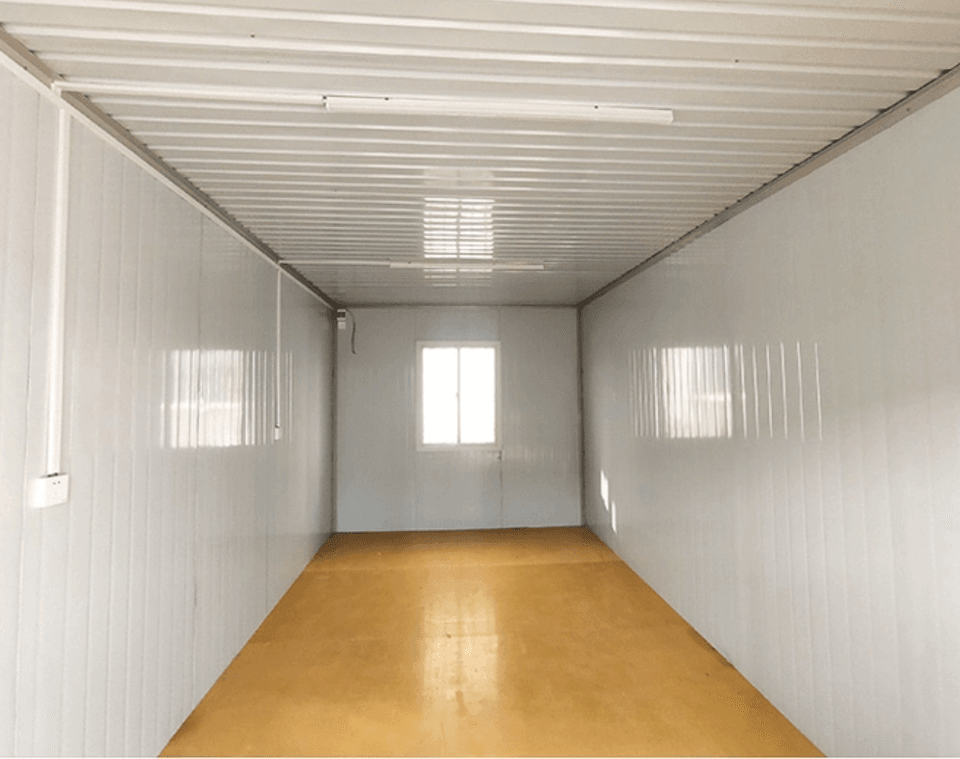
Core Advantages Bolster Export Competitiveness
The core strengths of Chinese prefabricated housing are manifested in four key areas: 1. Rapid Delivery and Shortened Construction Periods: Modular production in factories followed by on-site assembly reduces construction time by over 60% compared to traditional buildings. For instance, a British client's purchase of 63 modules was completed with hoisting in just two weeks, while a hotel project in Papua New Guinea was swiftly constructed through phased deliveries, significantly enhancing project turnover efficiency. 2. Cost Control and Outstanding Cost-Performance Ratio: Price competitiveness is the primary reason for overseas clients' choices, particularly suitable for regions with high land and construction costs. Factory-based production reduces on-site labor requirements, further compressing overall costs. A British merchant once praised the Chinese solution as "unmatched." 3. Environmental Protection, Energy Efficiency, and Stable Quality: Standardized factory environments ensure precise material processing and dimensional control, minimizing the impact of variables such as weather and labor organization on construction schedules. Modular buildings align with global green building trends, with CIMC's steel structure integrated module system applied in high-end office buildings and hotels. 4. Strong Adaptability and Customized Services: Enterprises tailor designs based on differences in climate, structural requirements, and utility standards at project locations. For example, enhanced corrosion and waterproofing are prioritized in hot and rainy regions, while thermal insulation is emphasized in cold areas. This "solution-matching capability" transcends mere price competition, becoming a key competitive edge.
Dual Drivers of Market Performance and Policy Support
Expanding Export Scale: Export volume nearly tripled from 2015 to 2025, with a 45% growth rate in the first quarter of 2026. In the first seven months of 2024, the Huangpu Customs supervised exports worth RMB 548 million, a 7.3-fold increase year-on-year. CIMC's delivery volume reached RMB 59.772 million in the first half of the year. Global Market Layout: Strong demand in ASEAN, with shortened delivery cycles following direct shipping from Dongguan Port to Vietnam. CIMC's products cover over 20 countries, with recent deliveries including an office building in Cameroon and an oil and gas camp in Australia. Products were exported to over 150 countries and regions in the first four months of 2024. Policy and Supply Chain Synergy: Customs optimize regulatory processes, such as the Shatian Customs expanding "water-to-water transfer" routes and the Xinhui Customs guiding enterprises in upgrading account modes. The mature industrial chain in the Pearl River Delta ensures efficient collaboration in manufacturing, material supply, and port logistics, reducing communication and adjustment costs.
Future Trends: Transitioning from Price Competition to Overall Competitiveness
With growing global demand for rapid, environmentally friendly, and customized construction, Chinese prefabricated housing exports are shifting from "price competition" to comprehensive competitiveness in "solution design, product adaptation, and project resolution capabilities." This is expected to sustain overseas market expansion, providing the global construction industry with a "Chinese solution."



